Scrolling today’s feeds, you’ve probably seen the jaw‑dropping winning shots from the latest Nature Photographer of the Year–style competitions making the rounds again: misty forests glowing at sunrise, glowing plankton coastlines, and Arctic foxes staring straight into your soul. Those viral images aren’t just pretty wallpapers; they’re real places you can actually visit this year if you plan smart.
If the newest wave of award‑winning nature photos has you itching to trade your phone screen for the real thing, this guide is for you. Let’s turn those “save to camera roll” moments into “I was there” memories—and keep your trip respectful, affordable, and epic from start to finish.
Chase the Shot, Not the Crowd
Those competition images from places like Iceland, Patagonia, and remote corners of Norway are trending hard right now—which means crowds are, too. Instead of heading straight for the single famous waterfall or overlook in the photo, treat the image as a region teaser, not a pin drop.
Study the photographer’s caption and location tags (they’re often deliberately vague—“Northern Iceland” or “Torres del Paine area”). Use that as a starting point to research nearby valleys, less‑famous trails, or neighboring national parks that share the same landscape and light. For example, if a viral winning photo showcases Iceland’s Diamond Beach at sunrise, look into less‑visited black‑sand beaches on the same coast or nearby glacier viewpoints with similar vibes. You’ll get the same wild drama without competing for elbow room on a single boardwalk.
Travel forums, Reddit threads, and local guiding companies’ blogs are goldmines. Search phrases like “alternative to [famous spot]” or “less crowded hikes near [park name]” and you’ll often uncover viewpoints that even many photographers skipped—perfect if you want your own version of the shot instead of recreating the exact frame.
Time Your Trip to Match the Light You Love
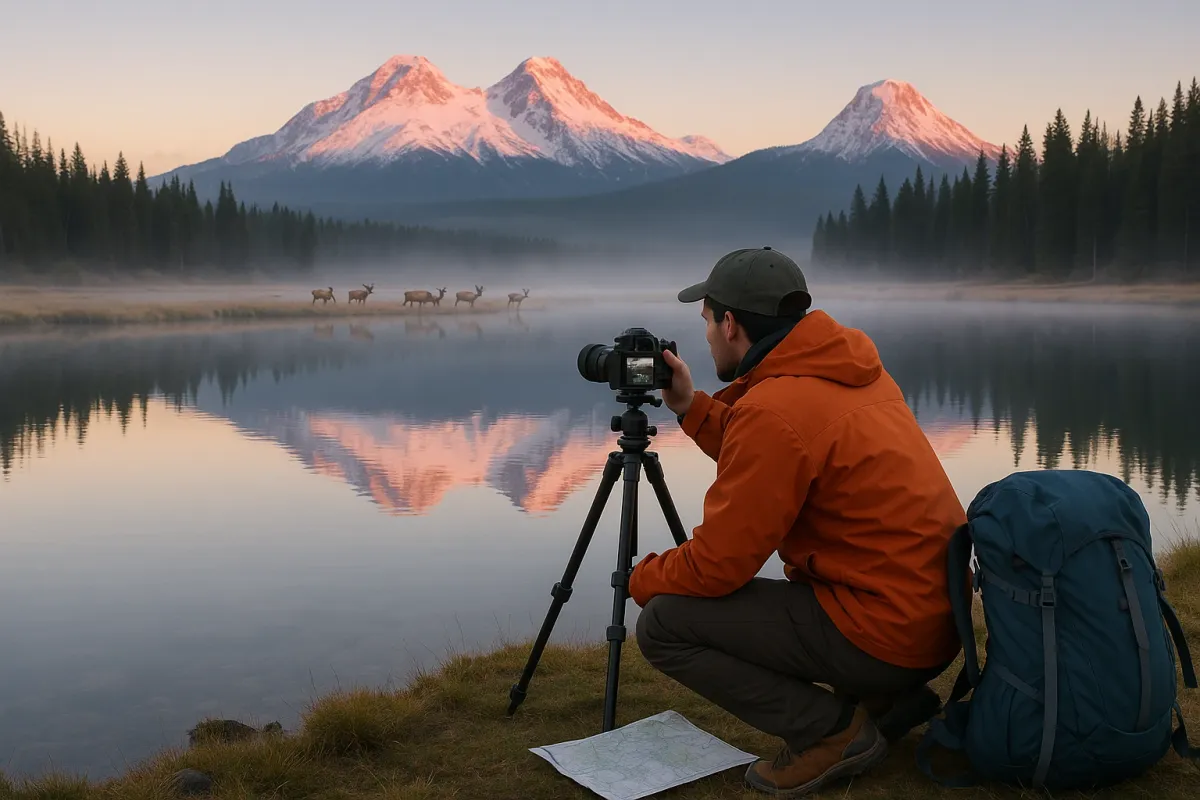
Those prize‑winning shots of wildlife in soft golden light or mountains under fiery skies didn’t happen at noon in July. They’re all about timing—and you can plan for that, even as a non‑photographer traveler.
Look closely at the winning image’s vibe:
- Is there snow or ice? Think late winter or early spring shoulder seasons.
- Is the foliage fiery red or golden? You’re looking at autumn—which hits at very different times in, say, Japan vs. the Alps.
- Are there wildflowers or lush green meadows? That’s usually late spring to early summer, but check for snowmelt timing at higher altitudes.
Then cross‑check your ideal “look” with practical data: past weather records, sunrise/sunset times, and local tourism board advice. Many board websites now have “best time to visit for photographers” guides because of the boom in photo tourism after big competitions. For example, the regions highlighted in recent nature contests often publish seasonal trip planners featuring those exact landscapes.
If you’re flexible, aim for a week either side of the standard “peak” dates. You’ll still get similar light and conditions, but with fewer tripods lined up beside you—and lower prices on stays and transport.
Travel Like a Responsible Photographer (Even If You Only Use Your Phone)
With nature photography awards trending globally, a lot of fragile ecosystems are suddenly on bucket lists. To keep those places as magical as they look in this year’s winning shots, travel like a pro who wants the scene to stay intact for the next visitor.
A few on‑the‑ground rules that working photographers follow (and you can too):
- Stay on marked trails and rocks. Many award‑winning forest and moss landscapes take decades to grow and seconds to destroy. If the shot you saw online looks like it was taken from off‑trail, resist the urge to copy it.
- Follow local wildlife distance guidelines. Those close‑up shots of foxes, bears, or puffins are often taken with long lenses, not by sneaking up. Use your zoom, not your feet.
- Skip prop‑heavy setups. Dragging big props, smoke bombs, or confetti into delicate areas is a fast way to damage the spot—and some parks now ban them outright because of the surge in photo tourism.
- Know the drone rules. Many of the dramatic top‑down shots going viral are only legal because the photographer had special permits or was outside restricted zones. Before flying anything, check in with the park or city’s official website; fines can be steep.
The payoff: you’ll get amazing images and be the kind of traveler locals actually want back—something that’s only getting more important as locations highlighted in nature competitions see heavier traffic.
Build an Itinerary Around Dawn and Dusk, Not Just Daytime
One reason those award‑winning images feel so magical: they’re nearly all shot at golden hour, blue hour, or under the night sky. Build your travel days around those moments and you’ll experience destinations in a way most casual visitors never see.
Instead of jamming activities randomly into each day, pick one key sunrise or sunset location per day and plan everything else around it. For example:
- Morning: sunrise at a lake pier → slow breakfast at a local café → mid‑day museum or nap.
- Evening: early dinner → sunset at a viewpoint → short night walk to watch stars or city lights.
This works in both wild and urban destinations that feature in nature and cityscape categories of big competitions: think Tokyo’s skyline at blue hour, Paris with the Seine glowing at sunset, or New York’s bridges after dark. You don’t need pro gear—your phone camera will shine in these conditions.
To make it practical:
- Set alarms for golden hour each day (your weather app usually lists it).
- Scout locations in daylight so you’re not scrambling in the dark.
- Pack layers, a small flashlight, and a portable battery; many of the spots you’ve seen in the winning images are windier, darker, or colder than they look.
Use Photo‑Friendly Planning to Travel Lighter and Smarter
Trips inspired by nature photography can easily turn into overpacked, over‑scheduled chaos. Borrow a few habits from the photographers who actually visit these locations for a living and your travel will instantly feel more streamlined.
- Choose a “theme” for your trip. Are you chasing dramatic coastlines, mountain reflections, or forests and waterfalls? Let that guide which regions you prioritize instead of trying to see an entire country in a week.
- Base yourself in hubs, not constantly moving. Many winning series are shot within a small radius over several days. Pick one or two strategic bases with good public transport or tour options (for example, Tromsø for Arctic landscapes, or El Calafate for Patagonia glaciers) and explore from there.
- Pack a weather‑proof core, not a closet. A thin down layer, a rain shell, quick‑dry pants, and waterproof shoes go further than five “cute” outfits. This is exactly how field photographers keep luggage small while being ready for anything.
- Back up as you go. If your entire trip is shaped by the photos that inspired you, don’t risk losing your own. Use cloud backup whenever you’re on Wi‑Fi or carry a tiny SSD for camera files.
- Bookmark local photo tours or workshops. Many destinations featured in this year’s trending shot lists are now offering half‑day or sunset photography walks. Even if you’re a complete beginner, you’ll leave with insider spots and composition tips you can use for the rest of your travels.
This style of planning doesn’t just improve your pictures; it naturally slows your pace, gives you more time in each place, and makes your trip feel more immersive and less rushed.
Conclusion
The latest wave of Nature Photographer of the Year–style winners isn’t just a collection of stunning images—it’s a live mood board for your next adventure. Those misty valleys, star‑filled skies, and glacier‑carved coastlines are all real, visitable places, right now.
By traveling a little earlier or later than the herd, centering your days on sunrise and sunset, and treating each destination with the same care a pro photographer would, you can step straight into the scenes lighting up your feed—without turning them into yet another overused backdrop.
Save the photos that move you this week, pin them on a map, and start building a trip around the light, the season, and the mood you want to experience. The world already looks like a nature‑photo award gallery; this year might be the moment you finally walk into the frame.
Key Takeaway
The most important thing to remember from this article is that following these steps can lead to great results.