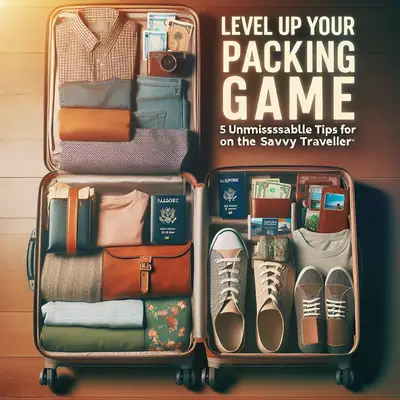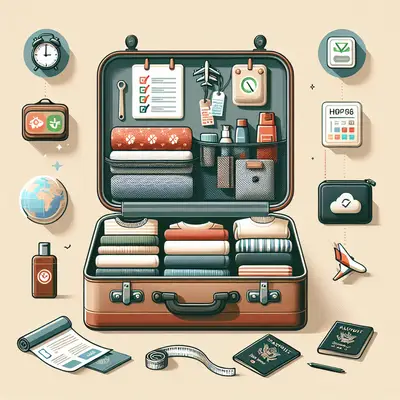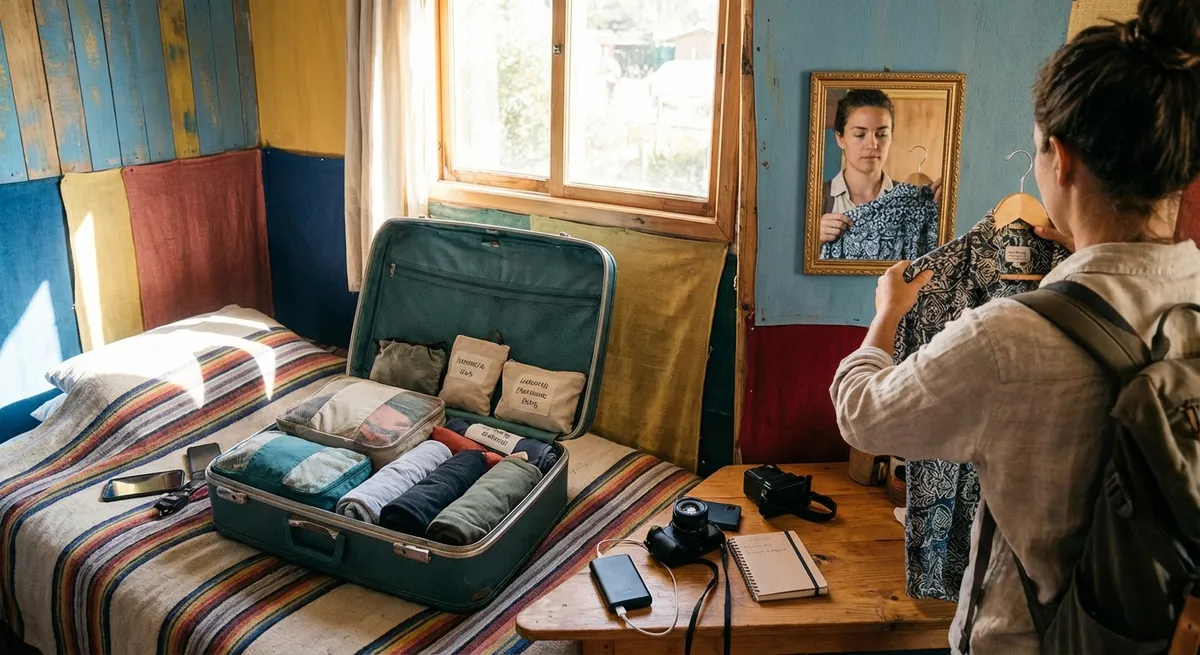
Packing isn’t just about what fits in your bag—it’s about how smoothly your entire trip unfolds. When you pack with intention, you move faster, stress less, and actually enjoy the journey instead of wrestling with your luggage. These smart, practical packing moves will help you arrive ready, not frazzled.
Build a “Trip Template” Packing List You Reuse Every Time
Instead of starting from scratch before each trip, create one master “trip template” list you can tweak depending on the destination and season.
Break your list into categories like Clothes, Toiletries, Health & Safety, Electronics, Documents, and “Nice-to-Haves.” Under each, write the core items you honestly use on most trips—then save it digitally (Notes app, Google Docs, Notion, etc.) so you can duplicate and edit for each new adventure.
Before you start tossing items into a suitcase, do a quick pass with your template and decide what can be removed based on your upcoming trip (for example, no bulky sweater for a tropical getaway). This approach prevents the classic “just in case” overpacking and makes it less likely you forget essentials like chargers, meds, or travel documents. Over time, your template becomes more accurate as you add things you wish you’d packed and remove things you never use.
Choose a Color Story So Everything Mixes and Matches
One of the easiest ways to pack smarter is to make sure nearly every clothing item works with every other. The trick: choose one base color and one or two accent colors.
Pick a base like black, navy, or gray, then add tops and layers in a couple of complementary shades. Aim for pieces that can be dressed up or down: a simple black dress that works with sneakers during the day and flats at night, or chinos that pair with a T-shirt or a button-down. This small shift lets you create many outfits from fewer pieces—and keeps you from packing “orphan” items that only go with one thing.
Limit shoes to the pairs that match this color story and your activities: usually one comfortable walking pair, one slightly dressier option, and (if needed) sandals or flip-flops. When everything coordinates, you’ll spend less time figuring out what to wear and more time exploring.
Turn Your Personal Item into an In-Flight Survival Kit
Your personal item (backpack, tote, or small duffel) should be more than a random catch-all—it’s your in-flight survival kit and “backup bag” if checked luggage is delayed.
Pack anything you absolutely can’t afford to lose or need within 24 hours: passport, wallet, medications, electronics, chargers, and one change of clothes (underwear, socks, a lightweight top). Add travel-sized toiletries that meet security guidelines, like a toothbrush, mini toothpaste, face wipes, lip balm, and moisturizer—planes are dry, and a quick refresh before landing feels amazing.
Keep these items in small pouches so you’re not digging around: one for tech, one for hygiene, one for documents. Stash a collapsible water bottle (fill it after security), a light scarf or layer for unpredictable cabin temps, and simple snacks like nuts or granola bars. With a well-organized personal item, you’re covered if your bag goes missing or your flight is delayed, and your essentials are always within easy reach.
Pack by “First 24 Hours” and “Rest of Trip”
Most people pack by category (all shirts, all pants, all toiletries together), but organizing by timeline can make arrival much easier. Create two mental buckets: “First 24 Hours” and “Rest of Trip.”
In your suitcase, place your “First 24 Hours” items near the top or all together in one packing cube: sleepwear, one outfit, basic toiletries, and any must-haves for your first day’s activities (like a swimsuit for an immediate beach dip or workout gear if you hit the gym on arrival). This way, if you arrive late, tired, or in a cramped room, you don’t have to fully unpack to feel settled.
Everything else—bulkier extras, backup outfits, and specialty gear—can go lower in the bag or in separate cubes. This timeline-based strategy is especially helpful for multi-stop trips: you can dedicate a cube or section for what you’ll need at each location, so you’re not constantly tearing your whole bag apart at every new stop.
Use “Compression Smartly,” Not “Compression Recklessly”
Compression cubes and vacuum bags can be game-changers, but only when used intentionally. They reduce volume—not weight—so it’s easy to accidentally overpack and end up with a heavy brick of a suitcase.
Use compression for soft, bulky items: sweaters, hoodies, puffer jackets, and workout clothes. Keep one cube non-compressed for clothes you’ll access often to avoid constantly opening and resealing compressed bags. If you’re traveling somewhere that might be colder than expected, compress one “just in case” extra layer; it won’t take up much space, and you’ll be grateful if temps drop.
Weigh your bag after you compress everything, especially if you’re flying with strict weight limits. And remember: if you use vacuum-style bags for checked luggage, leave a little air so security can repack if they open your bag. Compression is amazing when it helps you stay organized and within limits—not when it just helps you bring twice as much stuff.
Conclusion
Packing well isn’t about being minimalist or bringing every possible thing—it’s about being deliberate. A reusable packing template, mix-and-match wardrobe, thoughtfully loaded personal item, timeline-based organization, and smart use of compression can transform how your trip feels from the moment you zip your bag. With a little planning up front, you’ll spend less time managing your luggage and more time actually enjoying where you’ve come to explore.
Sources
- U.S. Transportation Security Administration (TSA) – What Can I Bring? - Official guidance on what’s allowed in carry-on and checked bags, especially for toiletries and electronics
- U.S. Department of State – Travel Checklist - Helpful overview of documents and essentials to prepare before international trips
- Mayo Clinic – Travel and Health - Advice on medications, health supplies, and staying well while traveling
- Consumer Reports – How to Avoid Checked Baggage Problems - Insights on handling luggage, lost bags, and what to keep with you
- REI Co-op – How to Choose Luggage, Packs and Bags - Detailed guidance on choosing and organizing luggage, including packing cubes and compression options
Key Takeaway
The most important thing to remember from this article is that this information can change how you think about Packing Tips.