When you’re trying to travel on a budget, most advice focuses on cutting corners: skip this, downgrade that, sacrifice comfort. There’s another path that doesn’t feel like deprivation at all—traveling when other people aren’t. By leaning into off-peak seasons, shoulder months, and unpopular days of the week, you can unlock huge savings while enjoying quieter streets, kinder prices, and more authentic experiences. Let’s turn “wrong time to go” into your secret travel superpower.
Why Off-Peak Travel Is a Budget Traveler’s Best Friend
Travel prices move with demand, not just with distance. That means the when of your trip can matter as much as the where. Airlines, hotels, and tour operators all discount aggressively when they have empty seats and rooms to fill—often during shoulder seasons (just before or after peak) and off-peak months.
The benefits go beyond your bank account. With fewer tourists, you’re more likely to chat with locals, walk into great restaurants without a reservation, and experience major sights without fighting for elbow room. Weather can be milder, too: spring and fall often beat peak-summer heat and humidity, especially in Europe and parts of Asia. You’re also less likely to face “tourist fatigue” from service workers who’ve been slammed all season. Think of off-peak travel as a comfort upgrade you didn’t pay extra for—only you did it by choosing your dates strategically, not by splurging.
Tip 1: Let Dates Be Flexible, Destinations Be Opportunistic
If you’re serious about budget travel, start planning with your calendar, not your bucket list. Instead of locking in Paris in July or Hawaii at Christmas, choose a time window you can travel and see which destinations are cheapest during that slot.
Use flexible date tools on flight search engines (like “whole month” or “cheapest month” views) to spot patterns: midweek flights, mid-month departures, and shoulder season windows often drop significantly in price. From there, let deals guide you. Maybe your late-April vacation could be Lisbon instead of London, or your November week off becomes a Southeast Asia adventure instead of a pricey Caribbean resort. This approach turns deal hunting into a game: you know you’re traveling; the surprise is where your flexibility takes you.
Tip 2: Target Shoulder Seasons for the Best Value-to-Experience Ratio
Shoulder season is the sweet spot between high and low season—think late April to early June in many European destinations, or September to early November for popular beach spots after school holidays end. In these windows, you often get pleasant weather, most attractions open, and significantly lower prices on flights and stays.
Research your destination’s tourism curve before you book. Look up climate data, major festivals, school holidays, and national vacations that can quietly drive up prices. For example, traveling to Japan right after the cherry blossom rush or to Italy between summer crowds and winter holidays can deliver big savings with little sacrifice. Shoulder season also makes it easier to negotiate better rates, especially at smaller guesthouses or locally run tours who prefer some business over none during slower periods.
Tip 3: Shift Your “Weekend Mindset” to Offbeat Days
Most people travel on Friday evenings and Sunday afternoons—so prices often spike around those days. By leaning into “unpopular” travel times, you can cut costs without changing your destination at all. Depart on a Tuesday or Wednesday, return on a Monday or Thursday, and watch prices dip.
Apply this mindset across your whole trip. Visit big-name attractions early on weekdays instead of weekend afternoons. Book restaurant reservations for late lunches instead of prime-time dinners. Many cities offer discounted museum days or free-entry evenings during the week, which can stretch your budget further. The more you zig when others zag, the more your money buys—without you feeling like you’re constantly saying no to experiences.
Tip 4: Combine Overnight Transport With Accommodation Savings
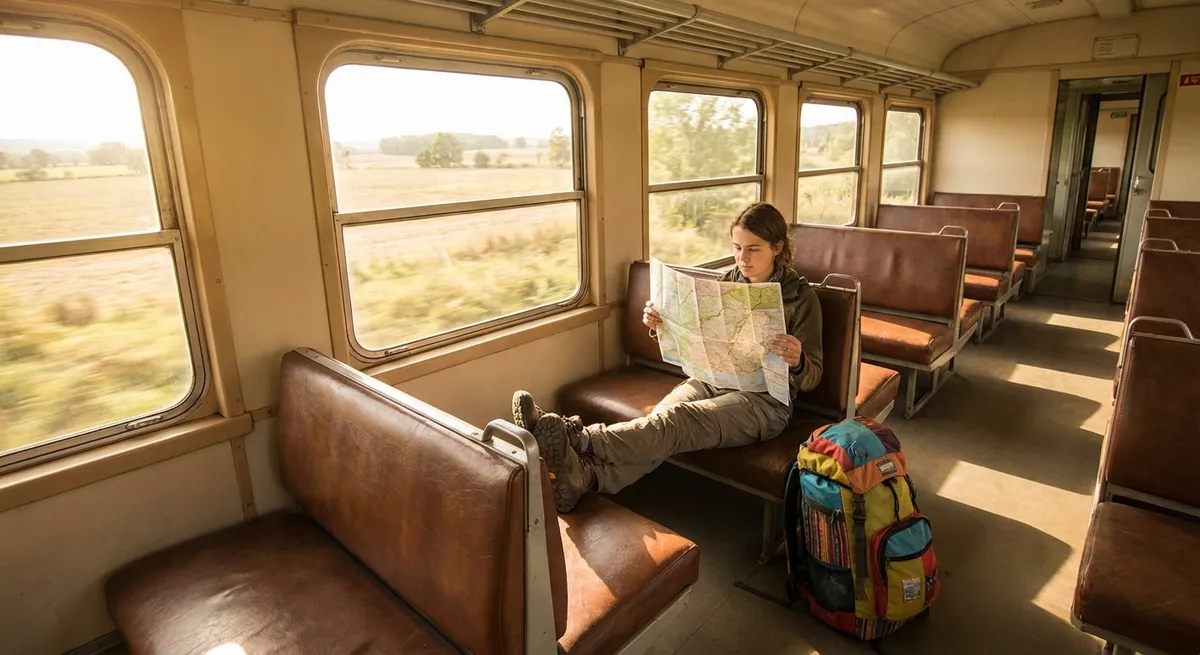
One powerful off-peak strategy is combining transportation and lodging in a single move: overnight trains, sleeper buses, or red-eye flights. You pay once (often at an off-peak fare) and wake up in a new place, effectively getting “free” accommodation that night.
This works especially well in regions with solid rail and bus networks—think Europe, parts of South America, and Southeast Asia. Pick a route that’s comfortably overnight (8–12 hours), pack light for easy boarding, and choose at least a basic sleeper or reclining seat rather than the rock-bottom option that leaves you exhausted. Not every leg of your trip needs to be overnight, but sprinkling in one or two well-timed overnight journeys can free up a surprising chunk of your lodging budget for splurge-worthy experiences once you arrive.
Tip 5: Use Local Routines to Hack Daily Costs
Off-peak thinking isn’t just about when you arrive—it’s also about how you structure each day. Many destinations have built-in price rhythms you can use to your advantage. Lunch menus in parts of Europe and Latin America, for example, often offer set meals (entrée, main, dessert, and sometimes a drink) for much less than comparable à la carte dinners. Happy hours can turn a pricey nightlife city into a budget-friendly one if you shift your social time a bit earlier.
Walk a few blocks away from the most touristed streets and pay attention to when locals eat, shop, and commute. You’ll often find cheaper bakeries open early, fresh produce markets in the mornings, and casual eateries packed at specific hours with people on lunch break. Aligning your habits with local patterns usually results in lower prices, better food, and more authentic interactions. It’s budget travel that feels like immersion, not sacrifice.
Conclusion
Traveling on a budget doesn’t have to mean shrinking your dreams—it just means shifting your timing and expectations away from the crowd. By staying flexible with dates, aiming for shoulder seasons, embracing offbeat days, using overnight transport strategically, and syncing with local routines, you turn “off-peak” into an advantage rather than a consolation prize. The world gets quieter, prices get kinder, and your experiences feel richer. When everyone else is waiting for high season, you’ll already be somewhere incredible, spending less and enjoying more.
Sources
- U.S. Department of Transportation – Air Travel Consumer Reports - Data and insights on air travel trends, delays, and consumer issues
- U.S. Bureau of Transportation Statistics – Seasonality in Air Travel - Transportation statistics, including seasonal patterns in air travel demand and pricing
- European Travel Commission – Seasonality in Tourism - Reports on tourism flows, including off-peak and shoulder season travel trends in Europe
- Japan National Tourism Organization – Travel Tips & Seasons - Official guidance on best times to visit and seasonal considerations for Japan
- National Park Service (NPS) – Plan Your Visit - Information on visitation patterns and planning tips that highlight benefits of traveling outside peak periods
Key Takeaway
The most important thing to remember from this article is that this information can change how you think about Budget Travel.