Every destination feels different when you stop traveling through it and start living in it—even if it’s just for three days. The secret? Switching into “Local Mode”: a mindset and set of habits that help you navigate a new place like you’ve already been there a dozen times. It’s not about fancy upgrades or ultra-minimalist packing; it’s about practical, repeatable tweaks that make every trip smoother, cheaper, and a lot more fun.
These travel hacks are designed to work in almost any city, on almost any budget. Think of them as your personal “local download” before you ever step off the plane.
Turn Your Map App Into a “No-Panic” Navigation Tool
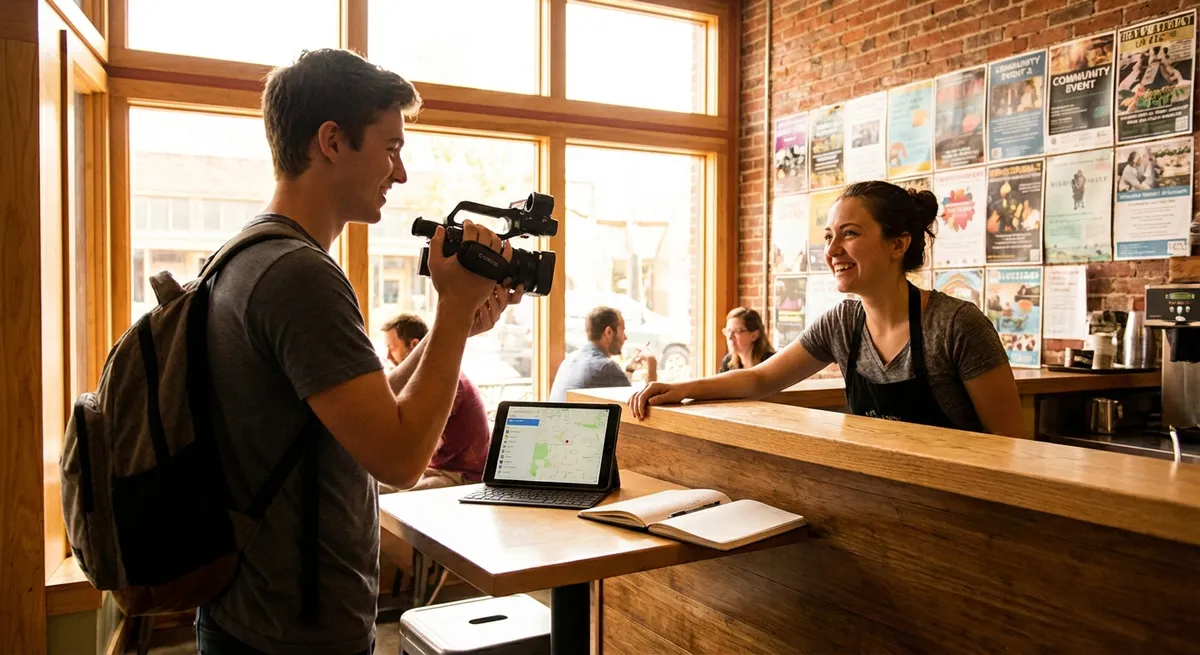
Before you arrive, download offline maps for your destination in your favorite map app and star everything that matters: your stay, transit hubs, grocery stores, pharmacies, late-night food spots, and at least one 24-hour clinic. Color-code or label icons (e.g., “First Day Breakfast,” “Airport Return Stop,” “Backup Coffee Spot”) so you can orient yourself instantly, even if your data cuts out. This reduces that “I’m lost and my battery is at 9%” panic, because your key places are already there, waiting.
On your first walk, keep your phone in your pocket and use landmarks you’ve already pinned—bridges, plazas, big shops—as reference points to build a mental map. If you get turned around, don’t spin in circles on the sidewalk; step into a café, order something small, and use their Wi‑Fi to recalibrate in comfort. Add small personal notes in your map app like “good quiet corner for calls” or “safe, well-lit route at night.” Over a few days, your custom map becomes your own local guidebook that only gets better every time you travel.
Build a “First Hour Kit” So You Land Relaxed, Not Frazzled
The first hour after you land often decides how your whole trip feels. Instead of digging through your suitcase at baggage claim, pack a “First Hour Kit” in your personal item: a small pouch with local currency (or at least a backup credit card that doesn’t charge foreign fees), a printed or screenshot confirmation of your accommodation address, transit directions in the local language, a snack you actually like, your go-to pain reliever, and a tiny pack of wipes or face mist.
This kit is for now, not “later”: use the wipes to refresh after a long flight, eat the snack before you get hangry in a taxi line, and have the address ready to show your driver without trying to wrestle with roaming data. Add a short “Arrival Checklist” note on your phone: turn off airplane mode, message your emergency contact, withdraw cash if needed, buy a transit card/SIM, drink water. Because the kit is always the same structure (just updated for each trip), you can pack it on autopilot before every journey, and landing in a new country feels strangely familiar and calm.
Hack Your Sleep Schedule With a “Travel Day Reset”
Jet lag and bad first-night sleep can wreck your carefully planned itinerary, but you can cheat a little by treating travel day as a reset button. Start 2–3 days before your trip: shift your bedtime and wake-up time by 30–45 minutes toward your destination’s time zone each day, instead of trying to jump all at once on the plane. On travel day, think in destination time as soon as you board; set your watch/phone to local time and plan your “day” around that, even if it means eating “lunch” at 3 a.m. airport time.
On the plane, only sleep if it lines up with nighttime at your destination. If it doesn’t, stay awake with light movement—stretching in the aisle, rolling your shoulders, standing near the back for a couple of minutes. As soon as you land, get at least 15–20 minutes of daylight outside (even if it’s cloudy); this helps your brain reset far faster than coffee ever will. Keep naps under 25 minutes and set an alarm you place across the room. Combine that with light, non-heavy meals on day one, and you’ll often wake up on day two feeling like you’ve already been in the time zone for days.
Treat Your Phone Like a Travel Swiss Army Knife (Not Just a Camera)
Your phone can replace half your “just in case” items if you set it up thoughtfully before you go. Start with a dedicated “Travel” home screen or folder and load it with offline tools: language apps with downloaded phrase packs, a currency converter that works offline, a note with important phrases phonetically spelled out (“Where is the bus stop?” “I have a food allergy to…”), and screenshots of your key bookings and QR codes. Turn on automatic backups to the cloud so lost phones don’t mean lost memories.
Use your notes app as a running “trip brain”: paste restaurant names locals recommend, jot down what you spent that day, and record quick impressions or things you’d do differently next time. Take short voice memos after especially good or bad experiences to capture details you’ll forget. For safety, use built-in location sharing with a trusted contact, even if you only share general location. And don’t forget the physical side of the hack: a tiny, ultra-short charging cable and a super-thin power bank in your pocket often matter more than the fanciest camera gear in your bag.
Create a “Two-Tier Plan” So Your Trip Never Falls Apart
Instead of building a rigid, hour-by-hour itinerary, think in “two tiers”: your Must-Do Anchors and your Easy Wins. Anchors are the few experiences that define the trip for you—maybe a cooking class, a specific hike, a museum, or a sunset viewpoint. Book those early and treat them like appointments you’d never miss. Everything else stays in the Easy Win category: flexible activities that don’t need reservations and work in a 1–3 hour window, like neighborhood walks, markets, street food hunts, or local parks.
Before you go, make a short list of Easy Wins grouped by neighborhood: “If we’re near X museum, we can also check out Y park or Z bakery.” This structure lets you pivot fast if the weather changes, a train is delayed, or you’re just more tired than expected. Each morning, look at the weather and your energy level, lock in one Anchor (or none, if you want a free day), then fill any gaps with Easy Wins nearby. You’ll avoid the two biggest travel regrets: missing the one thing you really wanted to do, and spending half your trip arguing over what to do next.
Conclusion
Travel feels smoother, safer, and more exciting when you quietly set yourself up to feel like a local—without needing months abroad or insider connections. Turning your map into a custom guide, landing with a First Hour Kit, resetting your body clock on purpose, optimizing your phone, and planning through Anchors and Easy Wins are all small shifts that stack into a big difference.
The next time you plan a trip, try activating “Local Mode” from the moment you start prepping. You’ll spend less time stressing, more time exploring, and walk away feeling like you didn’t just visit—you actually belonged there, even if only for a few days.
Key Takeaway
The most important thing to remember from this article is that this information can change how you think about Travel Hacks.