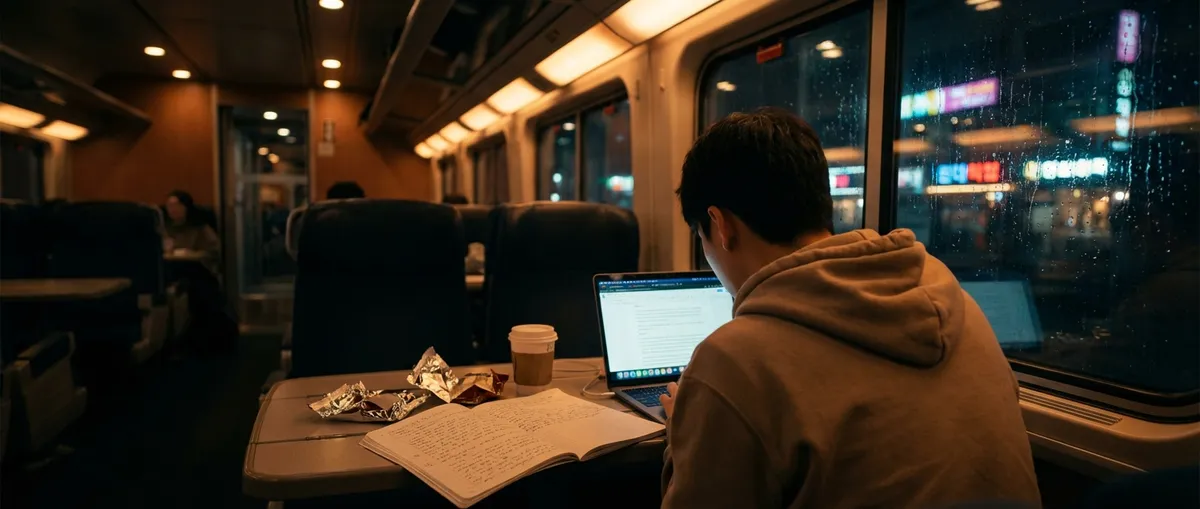
Most people treat the “getting there” part of travel as the price you pay to reach the fun. But your transit time—airports, trains, buses, long drives—is a goldmine of hidden opportunities: to save money, sidestep stress, and actually enjoy the in‑between. With a few simple, smart tweaks, your layovers, connections, and commutes can work for you instead of against you.
Below are five practical, field‑tested hacks to transform every journey segment into extra time, comfort, and value.
Build a “Transit Wallet” That Works Even When You’re Offline
A transit wallet is a compact, digital‑meets‑physical toolkit that keeps every critical detail at your fingertips, even without Wi‑Fi.
Start by downloading key items to your phone: boarding passes, hotel confirmations, transit tickets, and maps for offline use (Google Maps lets you download city areas in advance). Add PDFs of your passport, visa, and travel insurance to a secure notes app or password manager—so if your bag disappears, your documentation doesn’t. Keep a small, flat pouch as your physical “front‑line kit”: passport, one credit card, a bit of local currency, and a backup transit card or printed ticket.
The trick is separation: your main wallet and larger cash stay buried and zipped; your transit wallet is what you actually handle in crowded stations and security lines. This reduces fumbling, lowers the risk of pickpocketing, and dramatically speeds up check‑ins. Review your transit wallet the night before big moves (flight days, border crossings) so you’re never scrolling frantically at the gate.
Use Smart Timing to Dodge Peak Crowds and Prices
Timing isn’t just about season—it’s about the hour, the day, and even the direction of your travel.
For flights, midweek departures (often Tuesday or Wednesday) and early‑morning or late‑night times can mean lighter crowds, fewer delays, and sometimes lower fares. When booking trains or buses, aim for shoulder hours: not the exact rush hour, not the dead of night, but just before or just after the peak. This often wins you extra space and a calmer environment without changing your plan dramatically.
Align your timing with local patterns. In some cities, business commuters flood public transport from 8–9 a.m. but things are a breeze by 10. In destinations with siesta culture, mid‑afternoon streets can be quiet—good for moving across town with luggage. Thinking in “micro‑timing” (specific hours instead of generic days) lets you hack both comfort and cost while using the same routes everyone else does.
Turn Layovers and Wait Times Into Micro‑City Adventures
Layovers don’t have to be dead time you spend half‑asleep in a plastic chair.
Before you book, compare options with different connection lengths. Sometimes a slightly longer layover in a major hub (Singapore, Doha, Amsterdam, Toronto, etc.) gives you access to quiet zones, free tours, or even a quick city dash. Many airports offer short‑stay sightseeing programs or easy-to-use transit into town—perfect for grabbing a local meal and a change of scenery.
Even when you can’t leave the airport or station, treat the layover like a structured mini‑break. Assign your time in blocks: 30 minutes to move, stretch, and refill water; 45 minutes for food; 20 minutes for admin (delete photos, organize receipts); 30–60 minutes for something you enjoy (reading, language practice, journaling). Having a loose “micro‑itinerary” for your wait stops you from doom‑scrolling and makes the hours noticeably more satisfying.
Pack a “Comfort Core” That Makes Any Seat Bearable
You don’t need a suitcase full of gadgets to upgrade your comfort—just a compact, intentional set of items you always keep reachable.
Think of it as your Comfort Core: noise‑canceling headphones or simple foam earplugs, an eye mask, a lightweight scarf or layer that doubles as a blanket, a refillable water bottle, and a small pouch with meds (pain reliever, motion sickness tablets, basic allergy pills), lip balm, and hand sanitizer. Add a flat power bank and short charging cable so your phone doesn’t die mid‑boarding pass.
Keep this core in the under‑seat bag you actually access, not the overhead bin or trunk. The magic is consistency: whether you’re on a budget bus, an overnight train, or sitting on the floor near an outlet at your gate, you’ll have the same reliable tools to create a personal bubble of comfort. You can’t control delays or seat assignments, but you can control how prepared you are to ride them out.
Use “Two‑Layer Planning” for Connections and Ground Transport
Connections are where trips fall apart—or run beautifully. Two‑layer planning means you always have a primary plan and a simple, realistic backup.
Layer one: your ideal route. This might be a cheap airport bus, a specific train, or a rideshare pickup zone you’ve mapped in advance. You know the schedule, approximate cost, and where to find it. Layer two: your fallback option if things go sideways (flight delay, missed last bus, unexpected strike). That might be a later train, a different bus company, a verified taxi stand, or simply the safest, most direct route even if it costs a bit more.
Save these options in your notes app with the relevant times, URLs, and approximate prices. Add screenshots of directions in case you lose signal. The point isn’t to over‑engineer your route; it’s to avoid standing in a new station at midnight trying to decipher signs in a language you don’t speak. With two clear layers in your pocket, you move through connections with quiet confidence instead of crossing your fingers.
Conclusion
Every journey has “in‑between” spaces—the airport corridors, bus lines, security queues, and platform waits that most travelers just endure. By tightening up how you handle documents, timing, layovers, comfort, and connections, you turn that in‑between from dead time into a secret advantage.
Next time you’re planning a trip, don’t just think about where you’ll stay and what you’ll see. Look at your transit days and ask: how can I make these hours smoother, cheaper, and more rewarding? When you start hacking the journey itself, the whole trip feels different—more intentional, more relaxed, and way more fun to remember.
Sources
- [U.S. Department of State – Travel Tips](https://travel.state.gov/content/travel/en/internatio nal-travel/before-you-go.html) - Official guidance on documents, safety, and preparation before and during international trips
- Transportation Security Administration (TSA) – What Can I Bring? - Up‑to‑date rules on what’s allowed in carry‑on and checked luggage, useful for building a transit wallet and comfort kit
- Google Maps Help – Download Areas and Navigate Offline - Step‑by‑step instructions for saving maps and using them without an internet connection
- International Air Transport Association (IATA) – Traveler Information - Information on air travel, connections, and airport processes that informs smarter timing and planning
- Singapore Changi Airport – Transit and Facilities - Example of how major hub airports provide layover‑friendly amenities and transit options you can leverage for micro‑adventures
Key Takeaway
The most important thing to remember from this article is that this information can change how you think about Travel Hacks.