Travel doesn’t just cost money—it costs time, energy, and attention. The secret advantage of seasoned travelers isn’t fancy gear or endless budgets; it’s hundreds of tiny, smart decisions that quietly save hours and stress at every step.
This guide focuses on five practical, time-saving moves you can start using on your very next trip. They’re simple, repeatable, and designed to work whether you’re flying across the world or taking a quick weekend escape.
Turn Your Phone Into a “Travel Control Center”
Most people use their phones for photos and maps; smart travelers turn them into full-on command centers that keep trips smooth, even offline.
Start by creating a dedicated “Travel” folder on your home screen and load it with essentials: your airline’s app, hotel/booking apps, a translation app, an offline maps app, a password manager, and a note-taking app. Before you leave, download offline maps for your destination, key translation packs (including for menus), and digital copies of important documents like your passport, ID, and vaccine records. Store those in a secure folder or password manager with offline access.
Create a single master note that holds your entire trip at a glance: flight numbers, hotel addresses, check-in details, reservation codes, and local emergency numbers. Pin this note or save a screenshot to your lock screen for instant reference in airports, taxis, or if you lose signal. Turn on automatic email forwarding into your booking app (like TripIt or your airline’s app) so they can generate a synchronized itinerary—this makes gate changes and delays much easier to track.
Finally, set up a basic “travel mode” on your phone: enable system-wide dark mode to save battery, download any entertainment you want for flights, and pre-set alarms for departure days so you aren’t scrambling at 3 a.m. The more decisions you make before leaving, the calmer your travel days will feel.
Win the Airport Game Before You Even Arrive
A lot of airport stress is completely avoidable if you do a bit of prep before you even step into the terminal. Start by checking the terminal and gate area for your departure and arrival airports—many airport websites show which security lines are typically busiest and what services (food, lounges, charging points) are nearby. This helps you plan where to head once you’re through security.
Enroll in any free or low-cost programs that speed things up: online check-in, mobile boarding passes, and if you travel frequently, options like TSA PreCheck, Global Entry, or similar fast-track programs in your region can save huge amounts of time. Even if you don’t use paid programs, checking in online as soon as it opens (often 24 hours in advance) gives you better seat selection and cuts time in the check-in line.
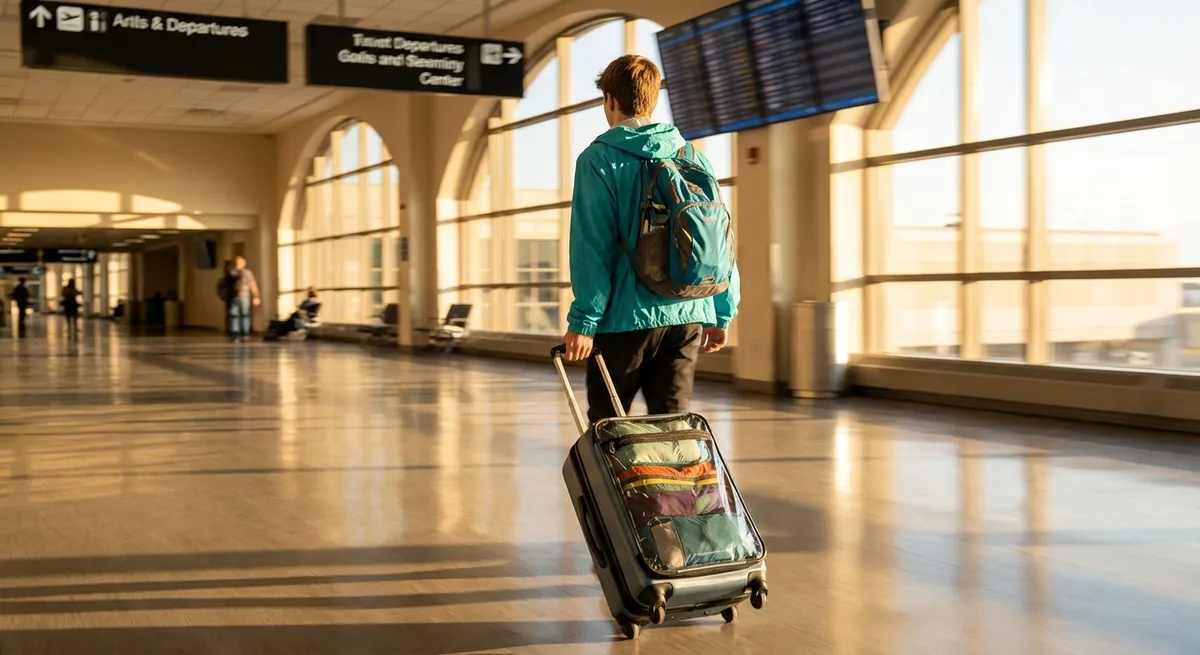
The night before you fly, do a “departure dry run” at home: put your passport, wallet, charging cable, and a pen in one easy-access pocket of your bag. Make sure liquids and electronics are grouped together so you can pull them out quickly at security without unpacking your life in the bin area. Wear shoes that are easy to slip on and off and avoid belts or accessories that always set off the metal detector.
Finally, aim to arrive with usable time, not just “technically enough” time. Getting to the airport early but then spending half an hour searching for your airline desk or power outlet doesn’t help. Knowing exactly where to go, what line you’re in, and what to do next turns airport time from chaos into calm.
Make Jet Lag Less Brutal With Micro-Adjustments
Jet lag doesn’t have to wreck the first half of your trip. Instead of trying to “tough it out,” treat your body like a system you can gently reprogram over a few days.
Two or three days before departure, start shifting your sleep and meal times 30–60 minutes closer to your destination schedule each day—earlier for eastbound travel, later for westbound. Even small shifts make a difference. Use light strategically: get bright, natural light in the morning at your destination and dim, warm light in the evening. This helps reset your internal clock faster than caffeine or willpower ever could.
Time your caffeine and snacks like tools, not habits. Avoid heavy meals or strong coffee right before you plan to sleep on the plane or at your destination; both make it harder to fall asleep and stay asleep. On boarding, immediately set your watch and phone to local time and start thinking in that rhythm—eat and sleep as if you’ve already arrived.
On day one, plan “gentle structure”: light activity like walking, an easy sightseeing loop, or exploring one neighborhood, rather than an all-out schedule. Short, 20–30 minute power naps (set an alarm!) can boost you without tanking your ability to sleep at night. Hydrate more than you think you need—plane cabins are dry, and dehydration makes fatigue and headaches worse.
These micro-adjustments won’t erase jet lag completely, but they dramatically reduce that “hit by a truck” feeling once you land.
Use “Anchor Points” Instead of Rigid Itineraries
Over-planning can make a trip feel like a chore, but under-planning can waste entire days. The sweet spot is building “anchor points”—key commitments that structure your day—while leaving room to adapt around them.
Pick one or two anchors per day: a timed activity (like a museum with ticketed entry), a lunch reservation in a popular area, or a sunset viewpoint you don’t want to miss. Around those anchors, keep your plans flexible. Use saved map pins, travel blogs, or local recommendations to build “clusters” of things you might want to do nearby, but decide on the day based on your energy, the weather, and what you discover.
This approach also works beautifully for travel logistics. For instance, make your transport and accommodation your non-negotiable anchors, then keep everything else optional. If a travel day runs long, you don’t feel like you’ve “failed”; you just skip an optional stop instead of scrambling to rearrange a tightly packed schedule.
Anchor points are particularly useful for couples or groups: everyone knows the one or two must-do items, and the rest of the day can flex based on mood. You still get the security of a plan without the stress of micromanaging every hour.
Build a Simple “Arrival Routine” for Any New Destination
The first hour after you arrive somewhere new can set the tone for your entire trip. Instead of improvising every time, use a repeatable arrival routine you can follow on autopilot.
Before you leave, decide on your step-by-step arrival plan and write it down: how you’ll get from the airport or station to your accommodation, roughly how much it should cost, and what backup options you have if Plan A falls through. Screenshot this info (including your hotel address in the local language) and keep it offline on your phone.
Once you arrive, follow the same flow each time:
- Cash & connectivity: Withdraw a small amount of local currency from an ATM (usually better rates than airport kiosks) and check your phone’s roaming or eSIM status.
- Quick orientation: Open your offline map, mark your accommodation, and note nearby essentials like a grocery store, pharmacy, and public transit stop.
- Mini reset at your lodging: Drop your bags, drink water, wash your face, and swap clothes if needed. This quick reset helps your brain switch from “transit mode” to “trip mode.”
- Neighborhood walk: Take a short walk around the block—grab a snack, see how the streets feel, and notice landmarks that’ll help you navigate back without your phone.
By standardizing this routine, you remove a ton of decision fatigue and anxiety from those crucial first hours. Your brain already knows what comes next, so you can relax and start enjoying the destination faster.
Conclusion
Travel feels chaotic when every day is a fresh set of problems to solve. It feels smooth when you reuse smart systems that quietly work in the background.
Turn your phone into a true travel hub, design your airport and arrival routines, ease jet lag with small, intentional shifts, and structure your days with simple anchor points. These aren’t flashy hacks—but they compound. Each trip gets easier, faster, and more enjoyable, and you get to spend more of your energy on memories instead of logistics.
Try just one or two of these on your next trip, notice what changes, then refine your own playbook from there. That’s how you become truly “travel ready.”
Sources
- U.S. Department of State – Traveler’s Checklist - Official guidance on documents, safety, and preparation before international trips
- Centers for Disease Control and Prevention – Travel Health - Up-to-date health advice, vaccine recommendations, and destination-specific information
- Transportation Security Administration (TSA) – Travel Tips - Practical advice on airport security, what to pack, and how to move through checkpoints efficiently
- Sleep Foundation – Jet Lag: Symptoms, Causes, and Treatment - Evidence-based information on jet lag and strategies to adjust your sleep schedule
- TripIt – Travel Tools & Resources - Articles and tips on organizing itineraries, using travel apps, and staying organized on the road
Key Takeaway
The most important thing to remember from this article is that this information can change how you think about Travel Hacks.