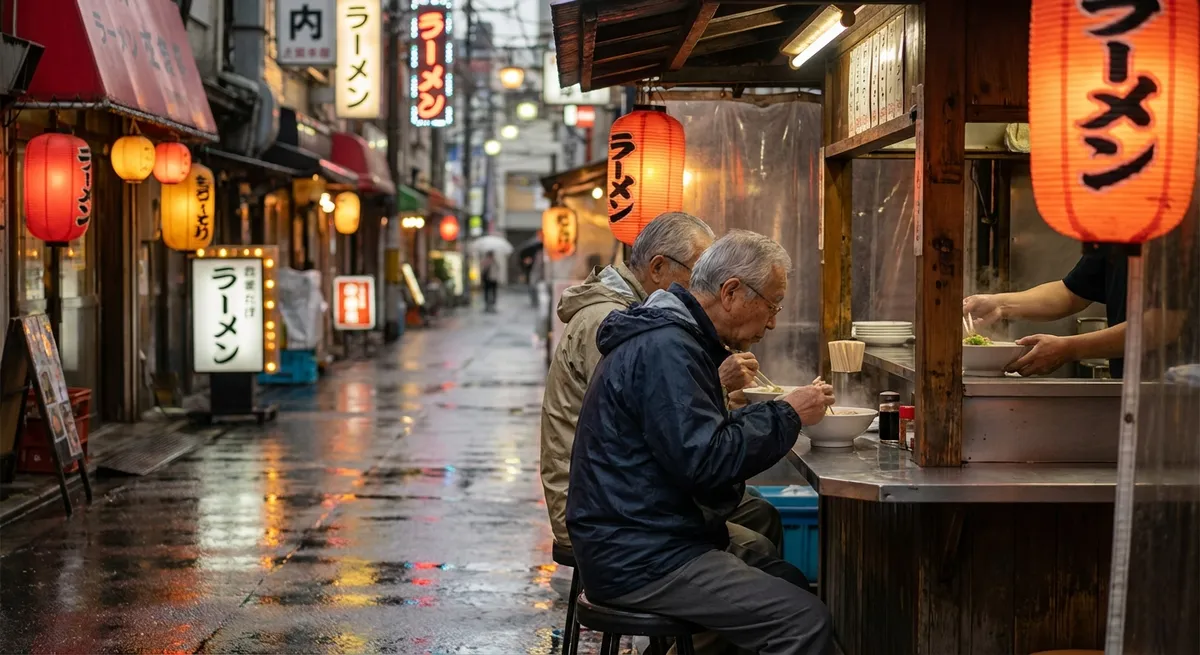
Travelers tend to gravitate toward the same headline cities—Paris, Tokyo, New York—then wonder why everything feels crowded, pricey, and a little predictable. There’s another way to see the world: aim for the second (or third) city instead of the capital or superstar destination. Think Lyon instead of Paris, Osaka instead of Tokyo, Porto instead of Lisbon. You’ll often get richer local culture, better value, and fewer crowds—without sacrificing comfort or experiences.
This guide walks you through why “second cities” make incredible bases, how to pick one, and five practical, ready-to-use tips to plan your next trip around them.
Why “Second Cities” Are Secretly First-Class Destinations
Second cities are the slightly less famous siblings of a country’s number-one hotspot. They’re usually big enough to have great infrastructure—airports, trains, good Wi‑Fi, solid accommodations—but not so overwhelmed by tourism that everything is built around short-term visitors.
Because of that, day-to-day travel in these destinations often feels more human-scale and relaxed. Cafés are filled with locals going about their routine, not just tourists scanning maps. Restaurant menus aren’t over-optimized for English speakers; you’re more likely to eat what locals actually order, at prices locals actually pay. And because the city isn’t constantly under pressure to “perform” for global tourism, its historical neighborhoods and rituals can feel more authentic and less like a stage set.
You’ll still find museums, nightlife, and beautiful architecture, but you’re less likely to spend half your time in a queue or shoulder-to-shoulder in packed streets. Second cities also tend to sit within easy reach of the big-name destinations, so you can dip in for a day trip and then retreat to a calmer base in the evening. It’s an ideal balance: access to the iconic spots, plus a home base that’s affordable, livable, and genuinely local.
How to Spot a Great “Second City” (Without Knowing the Country Well)
If you’re new to a region, it can be hard to figure out which city is the “second” one worth betting your trip on. A good starting move: look for the country’s next-largest urban areas after the capital or most-famous destination, then filter for a few key traits.
Check population and connectivity first. Cities with 300,000–2 million residents often hit the sweet spot: large enough to offer culture and amenities, small enough to be walkable or bikeable. Then look up the city on a map and see what lies within a 1–3 hour radius by train or bus—national parks, smaller towns, coastal areas, mountains, and, ideally, the capital itself. That wide-angle view tells you how flexible your trip could be.
Next, read through local tourism or city government websites to see whether the place invests in visitor information in multiple languages. That’s a quiet indicator that the city welcomes international visitors but hasn’t been fully “discovered” yet. Finally, scan recent travel forums or subreddits; when you see phrases like “so glad we stayed here instead of [capital]” or “felt local and relaxed but still had everything we needed,” you’re likely looking at a strong second-city candidate.
Building an Itinerary Around Second Cities
Once you’ve picked a primary second city, think of it as your home base and build a “hub-and-spoke” plan around it. Stay put for several nights—four is often a sweet spot—and fan out on day trips or overnight side trips. This keeps your travel days lighter, reduces packing and repacking stress, and often saves money on accommodation by booking longer stays in one place.
Start with one or two “anchor experiences” that drew you to the region in the first place: maybe a vineyard visit, a specific museum, or a famous hike. Then add in low-pressure days that revolve around the city itself: wandering markets, exploring neighborhoods, enjoying parks, or taking a cooking or craft class. Local tourism offices and cultural centers often promote events and workshops that don’t show up on major booking platforms, giving you more personal experiences at lower cost.
Leave some white space in your calendar. Second cities reward spontaneity—pop-up markets, local festivals, or recommendations from your host or barista can easily become trip highlights. By not overscheduling, you’ll have time to say “yes” when someone tips you off to a viewpoint at sunset or a tiny neighborhood restaurant that doesn’t take reservations. That balance of light planning plus room to improvise is what makes second-city travel feel wonderfully alive instead of rushed.
Five Practical Tips for Planning a Second-City Trip
Here are five concrete moves you can use right away to turn the second-city idea into a trip that’s smoother, richer, and better value.
1. Use Rail Maps and Regional Passes to Unlock More for Less
Second cities are often rail hubs, which can transform your options if you lean into trains and buses instead of short flights or expensive transfers. Before you book anything, pull up regional rail maps and see which places are within 60–90 minutes. You might find that your “one city trip” can actually include several towns or even another country without much extra cost.
Look for multi-day or regional passes (like country-wide rail passes or city+region tickets) that cover unlimited or discounted trips. These can make spontaneous day trips affordable, especially in Europe and parts of Asia. Always compare the pass price to buying a few individual tickets based on the routes you’re most likely to use—passes pay off most when you’re doing frequent hops within a week, not just one or two long rides.
Also pay attention to station locations in your chosen city. If your accommodation is walkable to the main station or well-served by local transit, it becomes incredibly easy to explore outward without planning complicated transfers. That convenience alone can make your days feel longer and richer, because you’ll spend more time in places and less time getting to them.
2. Book Lodging Near “Everyday Life,” Not Tourist Strips
In a second city, you don’t need to be in the middle of the most tourist-heavy area to enjoy it fully. Instead, aim for neighborhoods where locals actually live and work—places with grocery stores, bakeries, schools, and parks. These areas are usually safer at night, quieter, and often significantly cheaper than the main historic quarter.
When browsing maps, toggle between satellite and street view to get a sense of the area. Look for clusters of cafés, pharmacies, and public transport stops rather than souvenir shops and big hotel chains. If your place is within a 15–25 minute walk or a quick tram ride from the historic center, you’re likely in the right zone: close enough to everything, but grounded in daily life.
Staying in these neighborhoods also makes practical tasks far easier: doing laundry at a local laundromat, grabbing fresh fruit at a supermarket, or picking up a quick breakfast at a bakery before catching a train. These small comforts accumulate into a trip that feels less like a performance and more like slipping into the city’s real rhythm.
3. Time Your Visit Around Local Festivals—but Sleep Outside the Hottest Zone
Second cities often host some of a country’s most beloved regional festivals, from food and wine celebrations to music, art, or religious events. These can be incredible windows into local culture—but also draw visitors from across the country. The trick is to lean into the festival energy while still protecting your budget and sleep.
First, check city and regional events calendars several months ahead of your intended dates. If an event genuinely interests you—say, a jazz festival or harvest celebration—time your stay to catch at least one or two days. Book accommodation early, but don’t worry if places in the old town are pricey or sold out; staying one or two districts away usually means quieter nights, better rates, and easy daytime access via public transit.
During the festival, arrive early at venues, especially for free or un-ticketed events. Bring cash (or a local payment app) for street food stalls and small vendors, and ask locals which night or time of day feels most authentic rather than just the most crowded. The goal isn’t to see everything; it’s to soak up one or two moments that feel like you’ve walked straight into the city’s living culture.
4. Build One “Deep Dive” Neighborhood Day into Your Trip
Even in a smaller or less famous city, you’ll almost always find neighborhoods with distinct personality—creative districts, old industrial areas turned art hubs, waterfronts, student quarters, or historic ethnic enclaves. Rather than skimming the whole city in one rushed loop, give yourself a full day to really live in one area.
Pick a neighborhood that combines things you enjoy: food, architecture, street art, markets, or parks. Start with a late breakfast or coffee there, wander without a strict route, and follow what looks interesting: a side street with murals, a courtyard café, a local design shop, a small gallery or community center. Use that day to talk to people—ask for recommendations, chat with shop owners, or simply observe how the area changes from morning to afternoon to evening.
This deep-focus day will often become the most memorable part of your trip. You’ll leave with a mental “map” of a real community rather than a blur of landmarks. And because you’re not racing between must-see sights, you’ll feel less exhausted and more present in each moment.
5. Eat Where the City Refuels: Markets, Lunch Menus, and Local Chains
One of the fastest ways to understand a second city is to eat where locals actually refuel between work and home. Instead of chasing only the top-rated restaurants, build your meal strategy around three pillars: markets, lunch deals, and local mini-chains.
Start your days with a wander through a central or neighborhood market. Buy fruit, snacks, or picnic supplies, and observe what’s piled high in season—that’s usually what you’ll see featured in local dishes, too. Many markets have casual counters serving regional specialties at prices well below sit-down restaurants, and you’ll be surrounded by regulars on their weekly shopping runs.
At midday, look for lunch menus (often a fixed-price set with a starter, main, and sometimes dessert). These are common in many countries and offer great value while letting you try more traditional dishes. In the evenings, consider local fast-casual chains or family-run spots just off the main squares; they’re where residents actually eat on a Tuesday night, and the vibe tends to be friendlier and less rushed. You’ll save money, avoid tourist-trap menus, and taste the city the way it feeds itself.
Conclusion
Designing your trip around a country’s second cities is like switching from the highlight reel to the full, living story. You still get access to iconic sights, but your everyday moments—your morning coffee, your evening walk, your casual conversations—become the true highlights. With smart use of rail networks, locally rooted neighborhoods, festival timing, neighborhood deep dives, and everyday places to eat, your travel days feel richer without being harder on your wallet or your energy.
The next time you start planning and your brain jumps straight to the capital, pause and ask: What’s the second city here—and what might I find if I made that my base instead? That single question might be the gateway to your most rewarding trip yet.
Sources
- UN World Tourism Organization – Understanding Tourism: Basic Glossary - Provides definitions and context for tourism concepts, useful for understanding how destinations develop and differentiate.
- OECD Tourism Trends and Policies - Offers insight into how different cities and regions manage tourism flows, including the role of secondary destinations.
- Eurail – Europe Train Map - Interactive map and timetable that help travelers identify rail-connected “second cities” and regional hubs.
- Japan National Tourism Organization (JNTO) – Regional Travel Guides - Showcases major and lesser-known Japanese cities, illustrating how second cities like Osaka and Fukuoka function as travel bases.
- European Travel Commission – European Destinations Insights - Research and reports on visitor trends and the benefits of spreading tourism beyond primary hotspots.
Key Takeaway
The most important thing to remember from this article is that this information can change how you think about Destinations.