Travel on a tight budget doesn’t have to feel like a compromise. With a bit of strategy, you can cut costs where it doesn’t hurt (like flights and fees) and spend more where it truly matters (like unique experiences and great food). Think of budget travel not as “spending less,” but as “spending smarter” so you can stay longer, see more, and stress less.
This guide dives into five practical, real-world tips that help you stretch every dollar while still feeling immersed, comfortable, and excited about your trip.
Rethink Where You Sleep: Location Over Luxury
One of the fastest ways to slash your travel budget is to rethink your idea of the “perfect” place to stay. Instead of chasing the cheapest bed or the fanciest hotel, aim for the smartest location.
Look for accommodation that’s within walking distance of public transit lines or major sights; paying a little more for a central or well-connected area can save you hours and countless rideshares. Consider options like guesthouses, budget hotels, hostels with private rooms, or short-term rentals in residential neighborhoods, where prices often drop once you’re a few blocks away from major tourist hubs.
Before booking, map out the area on Google Maps: Are there grocery stores, local eateries, and transit stops nearby? Check reviews carefully for notes about safety, noise levels, and hidden fees like resort charges or cleaning costs. If you’re staying longer, ask about weekly rates or discounts—many smaller properties are open to negotiation if you contact them directly.
Budget win: prioritize a convenient, safe base that reduces daily transport costs and lets you experience local life more naturally.
Use Transit Like a Local, Not a Visitor
Transportation can quietly drain your budget if you default to taxis or rideshares. Learning to move around like a local can save money and give you a deeper feel for the place.
Start by researching public transit passes before you arrive—many cities offer day, multi-day, or weekly passes that slash per-ride costs compared to buying individual tickets. Airports often have express buses or trains that are far cheaper than taxis, and in some destinations, airport-city transit is heavily subsidized.
Download offline maps and transit apps so you’re not scrambling for directions on the go. When possible, walk short distances instead of hopping into a car; you’ll discover hidden cafes, markets, and viewpoints that you’d otherwise miss. In bike-friendly destinations, renting a bicycle for a day can replace several rideshares while giving you a fun way to explore.
Budget win: mastering local transit means your money goes toward experiences, not endless point-to-point rides.
Plan Your Meals Strategically (So You Don’t Feel Deprived)
Food is a huge part of travel joy—but restaurant meals three times a day add up fast. The goal isn’t to skip good food; it’s to be intentional about when and where you splurge.
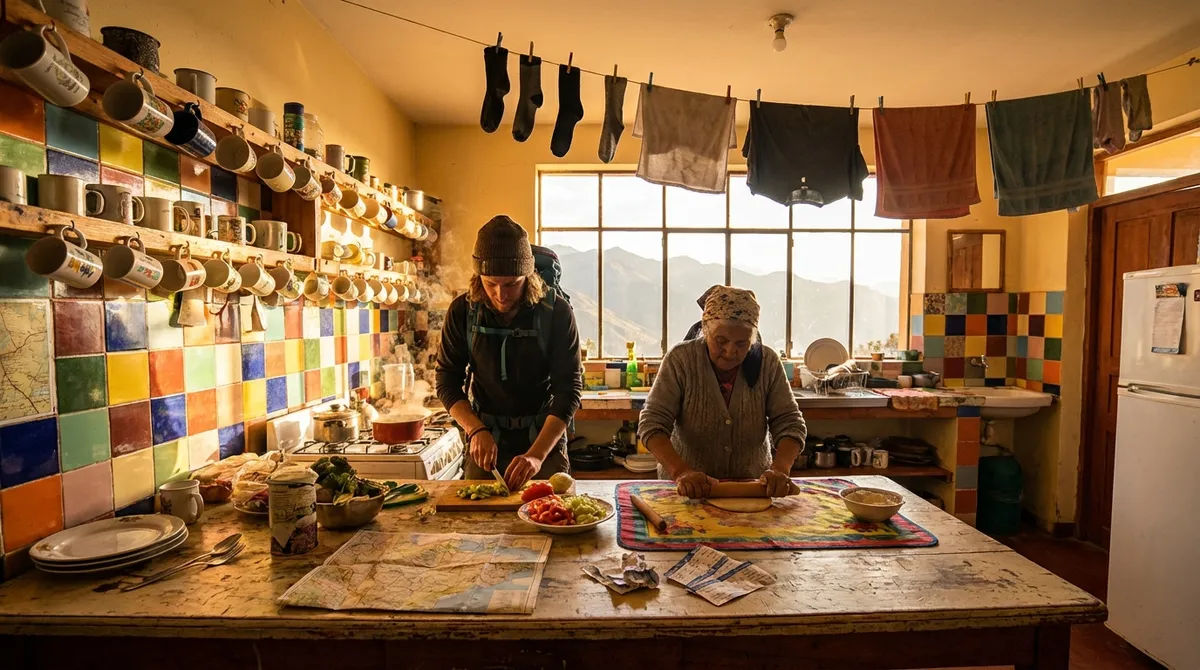
A simple strategy: make breakfast and sometimes lunch your “budget meals,” then save your splurges for dinners or standout food experiences. Stay somewhere with at least a mini-fridge or shared kitchen so you can assemble simple breakfasts (yogurt, fruit, bread, coffee) from a local supermarket or bakery. For lunch, scout out street food, business lunch specials, or local markets where you can eat well for less.
Use restaurant review apps and local blogs to pinpoint where residents actually eat, instead of defaulting to overpriced spots near famous landmarks. Don’t be shy about sharing dishes at restaurants so you can taste more without doubling the bill. And carry a reusable water bottle in destinations where tap water is safe to drink—buying bottled drinks all day adds up surprisingly fast.
Budget win: you still enjoy memorable meals, but you’re not paying “tourist tax” for every single bite.
Time Your Bookings Around Flexibility, Not Just Deals
It’s tempting to chase flashy “70% off!” sales, but the real budget magic often comes from flexibility. Being open about when and how you travel gives you more leverage than any single promo code.
Try starting your search with flexible date tools on flight and hotel websites. Flying out a day earlier, shifting to midweek, or returning on a less popular day can dramatically cut airfare. Consider nearby alternative airports and rail options too—sometimes a short train ride from a secondary airport beats a peak-time direct flight.
When researching accommodation, compare what’s included rather than just the headline price: free breakfast, late checkout, kitchen access, or laundry can save you real money over several days. Lock in cancellable bookings when prices look good, then monitor for drops; many platforms allow free rebooking if rates fall.
Budget win: instead of waiting for the “perfect deal,” you use flexibility as your biggest discount tool.
Build “Free and Low-Cost Days” Into Every Trip
Not every day needs a paid tour or expensive ticket. Intentionally planning free or low-cost days helps you stretch your budget and gives your trip a more relaxed rhythm.
Start by searching city tourism boards for free museum days, public festivals, walking routes, and parks—many major attractions have one free or reduced-price day per month. Self-guided walking tours using downloadable maps or audio guides can replace pricey group tours while letting you move at your own pace.
Make time to wander local neighborhoods, waterfronts, or viewpoints that don’t charge admission. Picnics in scenic parks, browsing markets, or exploring historic streets can be just as memorable as big-ticket experiences. Use these lighter days to recharge, do laundry, and recalibrate your budget if you’ve overspent earlier in the trip.
Budget win: you create a natural balance of “big days” and “chill days,” stretching both your money and your energy.
Conclusion
Traveling on a budget isn’t about saying “no” to everything fun—it’s about choosing where to say “yes” with intention. When you pick smart locations, move around like a local, eat strategically, stay flexible with your bookings, and mix in free or low-cost days, your money lasts longer without your trip feeling stripped-down or stressful.
The result: more time on the road, deeper local experiences, and memories that come from curiosity and creativity—not just your bank account size.
Sources
- U.S. Department of State – Travel Tips - Official guidance on planning, safety, and preparation before international trips
- U.S. Department of Transportation – Airfare Consumer Report - Insight into airline performance, delays, and consumer issues that can help with smarter flight planning
- NYC Official Guide – Free in NYC - Example of how major cities list free and low-cost activities; useful model for researching other destinations
- Transport for London – Visitor and Tourist Information - Detailed look at how city transit passes and visitor cards can reduce daily transportation costs
- University of California, Berkeley – Travel Health & Safety - Practical advice on staying healthy and prepared while traveling, including budget-friendly prevention tips
Key Takeaway
The most important thing to remember from this article is that this information can change how you think about Budget Travel.