If you’ve been on social media this week, you’ve probably seen that viral thread where service workers are spilling their worst customer encounters. It’s blowing up because, honestly, most of us have been that stressed traveler at some point—tired, hangry, and one delayed flight away from snapping at the nearest human in a name tag.
But here’s the travel hack nobody talks about: in a world where 100+ million people in the U.S. alone work in private service industries—and over 16 million in leisure and hospitality—how you treat those people can be the difference between a miserable trip and a magically upgraded one. The stories in that trending thread are mostly horror shows, but hidden inside them are powerful lessons for travelers who want smoother check-ins, better seats, and faster fixes when things go wrong.
Let’s flip the script. Instead of being the “worst customer encounter,” here’s how to become the traveler every agent, server, and front desk staff wants to help—and how that can seriously level up your trip.
Hack #1: Treat Every Front-Line Worker Like Your Trip’s Secret Concierge
Those viral “worst customer” stories all have the same villain: someone who thinks yelling equals power. In reality, your true travel superpower is being the easiest person in line.
At airports, hotels, train stations, and attractions, the person in front of you has seen a full day of tantrums before you even show up. When you walk in calm, kind, and prepared, you instantly stand out—in a good way. Use their name (it’s on the badge), make eye contact, and open with something like: “Hey Jordan, I know it’s been a crazy day. Can I ask your advice on the best way to handle this?” You’ve just turned a stressed-out employee into an ally.
Behind the scenes, many companies empower staff to make small gestures—better rooms, priority in rebooking, late checkout, free drinks—but they rarely offer it to the person who’s shouting. Be the traveler who makes their day easier, and you’re far more likely to get those quiet perks that never show on the bill.
Hack #2: Carry a “Problem-Solver Kit” So You Never Become That Customer
A big theme in that viral customer-service thread: most nightmare encounters start over tiny, fixable problems—no charger, no pen, no cash for a tip—then snowball into drama. The easiest way to never star in one of those stories is to carry a simple “problem-solver kit” that keeps you independent and low-maintenance.
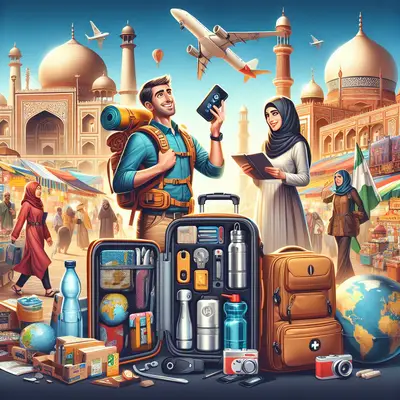
Here’s what to stash in a small pouch: a universal adapter, a compact power strip or splitter, a pen, a tiny notebook, a few bandages, basic meds (pain relief, allergy tabs), a spare mask if you still use them, a small pack of tissues, and a few local-currency bills specifically for tipping. This lets you fix 90% of everyday issues without running to the desk, demanding help, or waiting in line.
When you do need assistance, you’ll approach it as a partnership, not a crisis: “I’ve tried X and Y already—any chance you can help me with Z?” Staff love people who try first and ask clearly second. You get faster, better help, and you skip the drama that leads to those viral “worst customer ever” posts.
Hack #3: Use “Magic Phrases” That Unlock Better Help (Without Being Pushy)
In that trending thread, workers kept repeating the same thing: “We want to help. We just shut down when someone is rude.” The trick is to speak their language—phrases that signal you’re reasonable, flexible, and worth going the extra mile for.
Try these when things go wrong:
- “I know this isn’t your fault, but you’re the person who can help me figure this out.”
This instantly lowers defenses and acknowledges they didn’t cause the problem.
- “What are my best options right now?”
Instead of demanding one solution, you invite their expertise and creativity.
- “If you were in my position, what would you do?”
This humanizes the situation and often gets you their real advice.
- “Is there any flexibility with…?” (late checkout, seat assignment, baggage fee)
“Flexibility” is softer than “waive” or “remove,” and staff can often say yes if the system allows it.
Combine these phrases with patience (put your phone down, take out your headphones) and you’ll notice a pattern: people will often bend rules for you that they refuse for someone else who was rude 10 minutes earlier.
Hack #4: Tip Smarter, Not Just More—Especially in Hospitality Hotspots
The viral customer thread reminded everyone just how many people in hospitality rely on tips—not just servers, but housekeepers, porters, bartenders, and tour guides. A lot of travelers think tipping is only about generosity; in practice, it’s also an incredibly effective travel hack when done thoughtfully.
First, learn the local norm. In the U.S., tipping is baked into the system; in many European and Asian countries, it’s appreciated but not expected in the same way. Still, even in places where tipping isn’t the culture, a small, respectful tip can make a huge difference in how staff remember you. Hand a bellhop or housekeeper a tip on day one with a smile and a clear “Thank you, I really appreciate your help,” and don’t be surprised when your room is extra spotless, your requests are handled faster, or you suddenly get great table suggestions.
The hack isn’t “throw money at people”—it’s strategic gratitude. Tip early in the stay for ongoing help (housekeeping, concierge, porters), and tip at the moment of exceptional service (when a server or agent truly saves your day). Pair it with sincere thanks, and you’ll feel the ripple effect for the rest of your trip.
Hack #5: Turn Service Disasters into Upgrades with One Calm, Documented Move
A major pattern in those “worst customer encounters”? People escalate emotionally, not strategically. They yell in the moment, but never follow up in a way that gets results. Your travel hack here is simple: separate venting from problem-solving.
When something goes wrong—overbooked room, canceled tour, lost bag—do three things:
- Document calmly: Snap photos (room condition, line chaos, broken item), keep receipts, and write down names and times. This isn’t to “threaten” anyone on the spot; it’s for a clear, effective follow-up.
- Resolve in person first: Use the magic phrases above, ask what options exist, and stay solution-focused: “Is there a way to move me to a different room / flight today, even if it’s not perfect?” Agents often can’t authorize big compensation, but they can rescue your immediate situation.
- Follow up in writing within 48 hours: Once you’re calmer, email customer service or use the app. Be concise, factual, and polite: what happened, what you tried, how it impacted you, and what you’re hoping for (refund, points, voucher). Attach photos and names. Companies like airlines, hotel chains, and big tour platforms are far more likely to offer miles, credits, or upgrades this way than because someone melted down at the counter.
The real hack? While others are starring in a worker’s “worst customer” rant, you’re quietly walking away with compensation, loyalty points, or future discounts—all because you stayed composed and documented instead of detonating.
Conclusion
That viral “worst customer encounters” thread is entertaining, but it’s also a giant neon sign for travelers: how you behave in stressful moments is one of the most powerful travel hacks you have. In a world where millions of people keep the travel machine running—flight attendants, front-desk staff, drivers, guides, cleaners—being the rare, kind, prepared customer is like having a built-in upgrade button.
Treat staff like allies, carry your own mini problem-solver kit, use language that unlocks solutions, tip with intention, and turn disasters into calmly documented follow-ups. You’ll not only avoid becoming the subject of someone’s next horror story—you’ll start to notice doors opening, rules bending, and trips feeling smoother than your ticket ever promised.
Travel ready isn’t just about what you pack in your suitcase. It’s about how you show up to the people who can make your journey incredible.
Key Takeaway
The most important thing to remember from this article is that this information can change how you think about Travel Hacks.