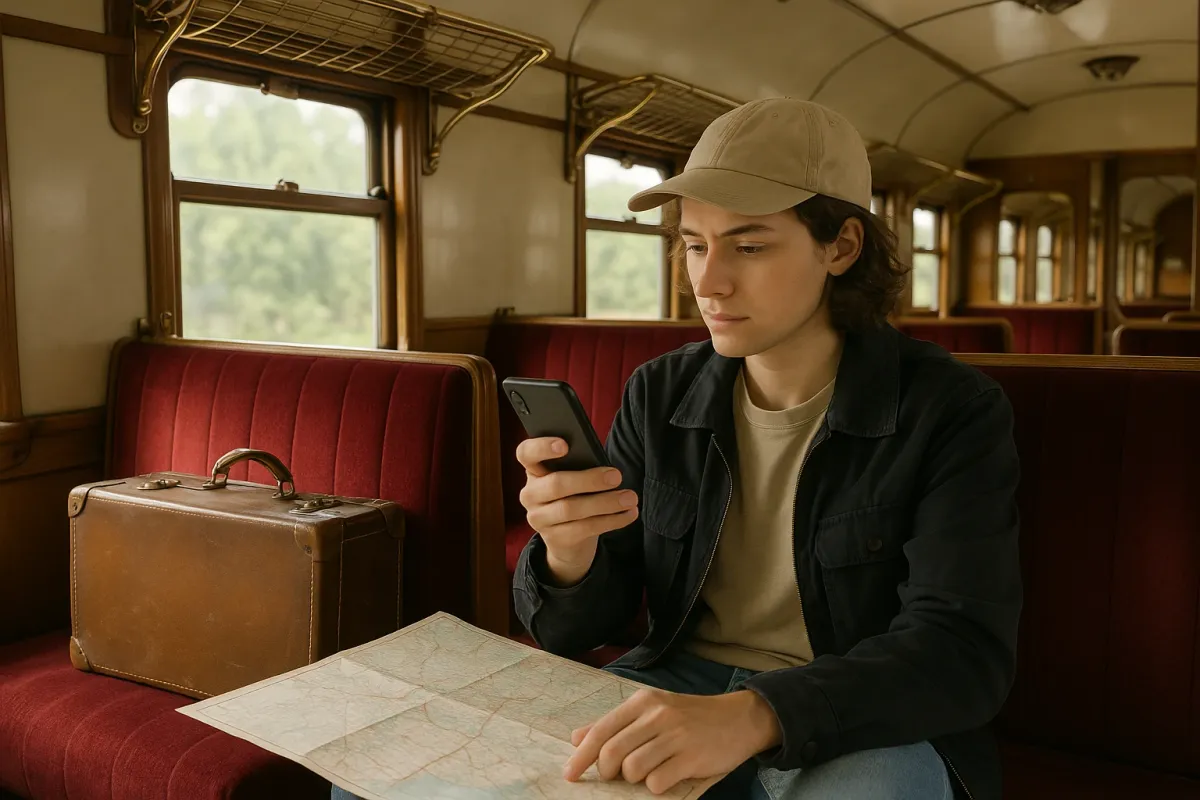
What if the cheapest way to travel in 2025 is actually to steal a few ideas from the 1800s? With modern posts about the Victorian era going viral again—especially those “everyday life” threads that show how people stretched every penny on clothes, food, and transport—it’s the perfect moment to borrow some of that old-school thrift for your next trip. No corset required.
Those viral Victorian-era photo roundups remind us that people used to cross continents with tiny luggage, shared rooms, and a serious eye for value. Today, you’ve got flights, apps, and digital payments—but the core money-saving mindset is exactly the same. Here’s how to turn that nostalgia into concrete, budget-friendly travel moves right now.
1. Pack Like a Victorian: Fewer Items, More Versatility
Victorians often traveled with shockingly little by modern standards—one trunk, maybe a hatbox, and outfits designed to mix and match. You can copy that strategy and slash modern costs:
- Fly with only a personal item or carry-on to avoid checked bag fees, which can easily add $60–$150 roundtrip.
- Choose a neutral color palette (think: black, navy, beige) so everything matches everything. This gives you more outfits from fewer pieces.
- Bring 2–3 tops, 2 bottoms, 1 outer layer, 1 pair of versatile shoes for a week-long trip. Double up outfits instead of overpacking “just in case.”
- Pack travel-sized detergent or soap sheets so you can wash clothes in a sink or laundromat instead of hauling extra outfits.
- Use packing cubes or compression bags to fit more into a smaller, cheaper piece of luggage.
Less luggage means fewer fees, less stress, and easier movement on buses, trains, and budget airlines. The Victorian vibe? Function first, fashion second—but you can absolutely still look good in photos.
2. Sleep Like It’s 1880: Share Spaces, Cut Costs
Those Victorian-era posts show families packed into tiny rooms and lodging houses because that’s what they could afford. Today, you can use the same principle without giving up comfort:
- Hostels & pod hotels: Modern hostels often have clean, stylish dorms and private rooms. In cities like Lisbon, Budapest, or Bangkok, dorm beds can be under $20–$30 a night.
- Guesthouses and pensions: In Europe, Latin America, and parts of Asia, family-run guesthouses are cheaper than big hotels and often include breakfast.
- Overnight transport: Sleep on night trains or overnight buses to save a night’s accommodation and maximize your time in each destination.
- Room-sharing options: Booking a private room in a shared apartment (instead of an entire place) can cut costs and sometimes includes a kitchen.
- Stay slightly outside the tourist core: A 10–20 minute metro or bus ride can knock 20–40% off nightly prices, especially in capitals and beach towns.
Think of it as the updated “inn by the roadside” strategy: simple, safe, and social, with just enough comfort to rest up for the next adventure.
3. Eat Like Yesterday’s Working Class: Simple, Local, and Cheap
Those Victorian street-food photos and workers’ meals show one constant: the cheapest food is usually the local, filling stuff. Apply that to your trip and your budget will breathe.
- Hit supermarkets and local markets for breakfast and snacks instead of grabbing coffee and pastries at tourist cafés every day.
- Choose “worker’s menus” or lunch specials (like menú del día in Spain or prato feito in Brazil), usually cheaper and more filling than à la carte dinners.
- Street food and food courts: In many cities, a food hall or street market is both a cultural experience and a budget win.
- Book accommodations with a kitchen or at least a fridge so you can make simple meals—oats for breakfast, sandwiches for picnics, pasta at night.
- Carry a reusable water bottle and, where safe, refill from taps or fountains to avoid buying multiple plastic bottles daily.
The Victorian mentality: food is fuel and community, not a constant splurge. Choose a few “wow” meals and keep the rest straightforward and wallet-friendly.
4. Travel at Victorian Speed (Sometimes): Slow Down to Spend Less
In those Victorian-era collections, travel looks slow, deliberate, and rare. Modern budget travelers can steal that principle: the slower you move, the less you spend per day.
- Stay longer in fewer places. Every time you move, you pay for transport, check-in/check-out time, and often higher “short stay” rates.
- Swap planes for buses and trains where it makes sense: especially in Europe, Southeast Asia, and South America. They’re often cheaper and more scenic.
- Look for regional passes (like rail or bus passes) instead of lots of single tickets if you’ll be moving around one country or area.
- Use off-peak days and times: midweek travel can be significantly cheaper than Friday–Sunday.
- Build in “free days”: days where you mostly walk, visit free sights, parks, markets, and neighborhoods—no big paid attractions.
This slower, Victorian-style rhythm lets you actually experience a place instead of racing through it, and your budget will thank you.
5. Embrace the Victorian Ledger: Track Everything You Spend
Victorian households were famous for their meticulous ledgers—every expense noted with almost obsessive detail. That habit is pure gold for budget travelers in 2025.
- Before you go, set daily targets: for example, $40–$60/day in a cheap region, $70–$100/day in pricier cities (excluding flights).
- Use a simple notes app or expense app (like Trail Wallet, TravelSpend, or a spreadsheet in Google Sheets) to track every purchase.
- Categorize: lodging, food, transport, fun, misc. After a couple of days you’ll see exactly where to trim.
- Review each evening like a mini ledger session: Did you overspend on meals? Could tomorrow’s plan be more walk-heavy and ticket-light?
- Build in a buffer fund—maybe 10–15% of your total budget—for surprises, then track when you dip into it.
Once you see your numbers daily, you naturally start making smarter choices: skipping that third cocktail, choosing the public museum over the pricey tour, or cooking one more dinner at “home.”
Conclusion
Those trending Victorian-era stories aren’t just a history rabbit hole—they’re a reminder that people have always traveled with limited means and a lot of creativity. If you adopt even a few of their habits—packing less, sharing spaces, eating simple local meals, moving slower, and tracking every expense—you’ll unlock more travel for less money, right now.
You don’t need a time machine to travel like it’s 1880 on a 2025 budget. You just need a modern ticket, an old-school mindset, and the willingness to trade a bit of comfort and speed for richer, longer, more affordable adventures.
Key Takeaway
The most important thing to remember from this article is that this information can change how you think about Budget Travel.