Packing doesn’t have to be the chaotic pre-trip scramble you dread. With a few smart moves, your suitcase can turn into mission control for a smooth, confident adventure—whether you’re heading out for a quick weekend or a month on the road.
Below are five practical packing tips that go beyond “roll your clothes” and actually make travel days easier, lighter, and way less stressful.
Build a Personal “Travel Core” You Repack Every Time
Instead of starting from zero before every trip, create a small set of items that always lives in your suitcase or carry-on. Think of it as your “travel core”—the essentials that make any destination feel manageable.
Include items like a dedicated travel toiletry kit (in a clear, quart-size bag), a compact first-aid/health pouch (bandages, pain reliever, any prescription copies), a universal adapter, a lightweight laundry bag, and a backup charging cable with a small power adapter. Keep these items only for travel; don’t borrow from this kit for daily life.
This approach eliminates decision fatigue and cuts your pre-trip checklist in half. Instead of asking, “What am I forgetting?” you only decide what to add around your core: climate-specific clothes, destination-specific gear, and any special items for that trip (like hiking poles or a wedding outfit). Once your core is set, future packing becomes more of a quick “top-up” than a full rebuild.
Design Outfits by Activity, Not by Day
A common packing trap is planning “Day 1 outfit, Day 2 outfit…” which usually leads to overpacking and under-using what you bring. Instead, think in terms of activities you’ll actually do: travel days, walking-heavy sightseeing, active/outdoor time, nicer dinners, or beach/pool time.
For each activity type, choose a flexible base outfit that can work more than once—like breathable pants and a moisture-wicking top for travel and walking days, or a simple dress or shirt-and-chinos combo for both casual dinners and slightly dressier plans. Then plan light variations: a different layering piece, accessories, or a shirt swap to keep things feeling fresh in photos and in person.
This mindset naturally pushes you toward versatile, mix-and-match pieces instead of one-off outfits. You’ll end up with fewer clothes that do more jobs, which saves space and makes getting dressed on the road quicker because your suitcase is arranged by what you’re doing, not what the calendar says.
Treat Your Carry-On Like a “Trip Backup System”
If your checked bag is delayed or you’re forced to gate-check a suitcase, your carry-on becomes your lifeline. Pack it so you could comfortably survive 24–48 hours using only what’s inside.
Include a change of clothes (or at least a clean top, underwear, and socks), mini versions of your key toiletries (within liquid limits), crucial medications in original labeled containers, important chargers, and any must-have comfort items like glasses, contacts, or noise-canceling earbuds. If your trip has a “can’t-miss” event—like a wedding, big meeting, or presentation—pack that outfit in your carry-on too.
Also keep all vital documents—passport, visas, reservations, and any health documents—in your personal item, ideally in a slim travel wallet or document sleeve. Think of your carry-on system as your insurance policy: if everything else disappears for a day, you’re inconvenienced, not stranded.
Use Micro-Organization to Cut “Bag Digging” Time
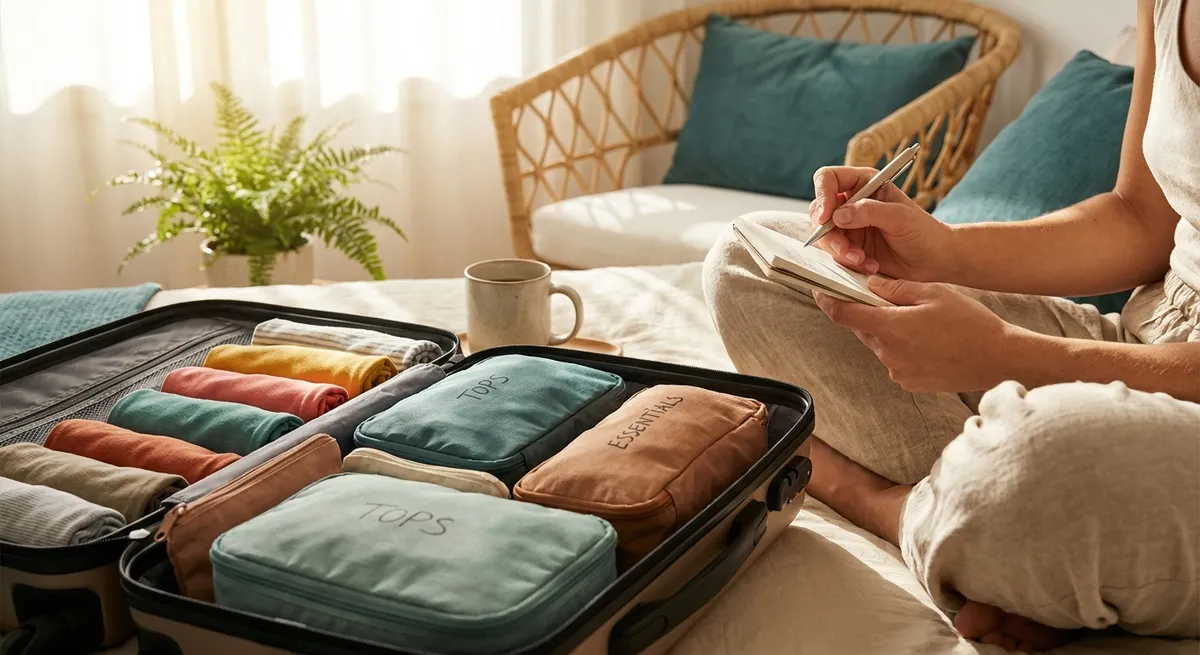
Packing cubes get a lot of hype, but the real magic is how you organize, not just the cubes themselves. The goal is simple: you should be able to lay hands on anything you need in under 10 seconds without dumping your entire bag out.
Try assigning each cube or pouch a clear category: tops, bottoms, undergarments/sleepwear, tech/chargers, and “daily essentials” (like toothbrush, deodorant, and skincare). Use different colors or sizes so you can recognize them instantly. If you don’t use cubes, still organize by “zones” inside your bag: one side for clothes, one corner for shoes, one easily accessible spot for toiletries.
Keep frequently used items (like your toiletry bag and sleepwear) near the top or in outer compartments so you can access them during layovers or late-night arrivals without repacking everything. This micro-organization doesn’t just save time; it also keeps your space—hotel room, hostel bunk, guest room—tidier and less stressful to live in.
Pack With Laundry in Mind, Not Just the Calendar
Instead of packing enough clothes for every single day, pack with the assumption that you’ll wash a few things along the way. This might mean sink-washing quick-dry items, using a laundromat, or booking stays with washing machines for longer trips.
Choose fabrics that dry fast, resist wrinkles, and can handle a couple of wears—like performance blends, merino wool, or lightweight synthetics—over heavy cottons and denim. Pack a small, resealable bag with a travel-size detergent (liquid or sheets), a universal sink stopper if you’ll be hand-washing, and a thin elastic clothesline or a few lightweight clothespins.
By planning for one or two laundry moments, you can comfortably travel for a week or more with what many people pack for a long weekend. Your bag stays lighter, moving between destinations is easier, and you’re less tempted to bring a “just-in-case” outfit for every single day.
Conclusion
Packing doesn’t require a spreadsheet or a giant suitcase—just a few smart systems that you repeat each time you travel. Build a reusable travel core, plan around activities instead of days, treat your carry-on like your safety net, organize the inside of your bag with intention, and assume you’ll do a bit of laundry along the way.
With those five moves, your suitcase stops being a source of stress and becomes one of your strongest travel tools—leaving you more energy for the fun part: actually being out in the world.
Sources
- U.S. Department of State – Travel Tips - Official pre-travel checklist including documents, medications, and safety considerations
- Transportation Security Administration (TSA) – What Can I Bring? - Up-to-date rules on carry-on items, liquids, and prohibited objects
- CDC Travelers’ Health - Guidance on health-related packing like medications, first-aid, and destination-specific health advice
- Mayo Clinic – Travel and Medications - Recommendations on packing and managing medications while traveling
- REI Co-op – Expert Advice: How to Choose Travel Clothing - Overview of quick-dry, versatile fabrics and layering strategies for travelers
Key Takeaway
The most important thing to remember from this article is that this information can change how you think about Packing Tips.