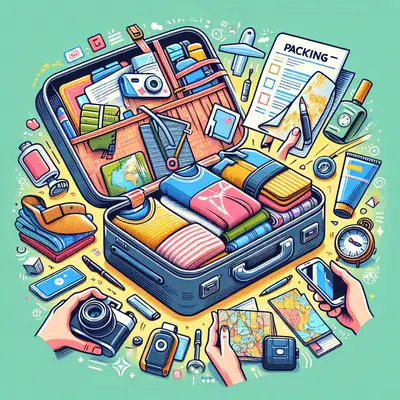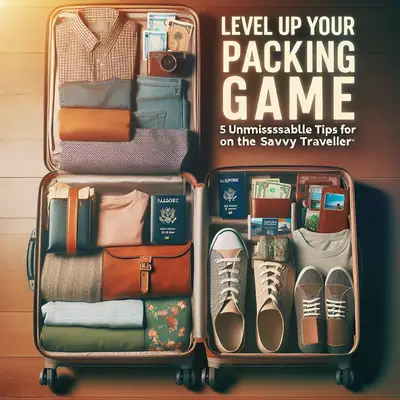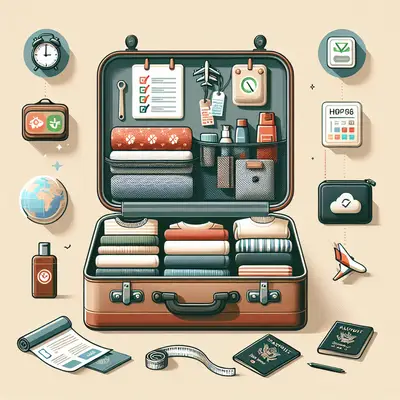
Packing doesn’t have to be a chaotic, late‑night scramble before your trip. With a few smart systems and mindset shifts, your suitcase can turn into a flexible “travel wardrobe” that works in almost any scenario—without overstuffed zippers or surprise luggage fees.
This guide breaks down five practical, traveler‑tested packing tips built around one simple idea: layering. Not just with clothes, but with how you plan, organize, and access everything you bring.
Start with a Daily “Outfit Map” Instead of a Random Pile
Before you touch your suitcase, sketch a quick “outfit map” for your days on the road. Think in terms of activities and conditions rather than individual clothing items.
List each day of your trip and note:
- Temperature range and weather (hot, humid, rainy, cool evenings)
- Main activities (city exploring, hiking, nice dinner, long train rides)
- Any special dress requirements (religious sites, work meetings, upscale venues)
- One pair of neutral pants or shorts that works for multiple days
- A base layer (T‑shirt or tank) that can be reworn under different tops
- A single “elevated” piece (like a nicer shirt or dress) that can be dressed up or down
Then, assign outfits using repeatable pieces:
You’re aiming for flexible combinations, not one unique outfit per day. If an item only works in one scenario, it’s a “maybe.” If it works in three or more, it’s a “keeper.” This simple filter dramatically cuts down on overpacking while keeping you ready for last‑minute plan changes.
Build a Three-Layer Clothing System (Not a Bulky Wardrobe)
Instead of packing for every possible temperature, pack three smart layers you can stack or strip as needed:
Base layer:
Lightweight, breathable pieces that sit closest to your skin (T‑shirts, tank tops, thin leggings, underwear, moisture‑wicking socks). Prioritize quick‑dry fabrics so you can rinse and rewear.
Middle layer:
Your “comfort and style” pieces—shirts, blouses, casual dresses, chinos, or jeans. Choose a tight color palette (2–3 coordinating colors) so everything mixes and matches.
Outer layer:
One weather‑fighting MVP: a packable rain jacket, light puffer, or windbreaker depending on destination. This should be: - Lightweight but warm for its size - Compressible (packs into itself or a small cube) - Neutral enough to work with all your outfits
With this three‑layer system, you’ll be comfortable in everything from chilly airplanes and over‑air‑conditioned trains to sunny city walks and breezy evenings—without packing a bulky coat “just in case.”
Turn Packing Cubes into “Grab-and-Go” Modules
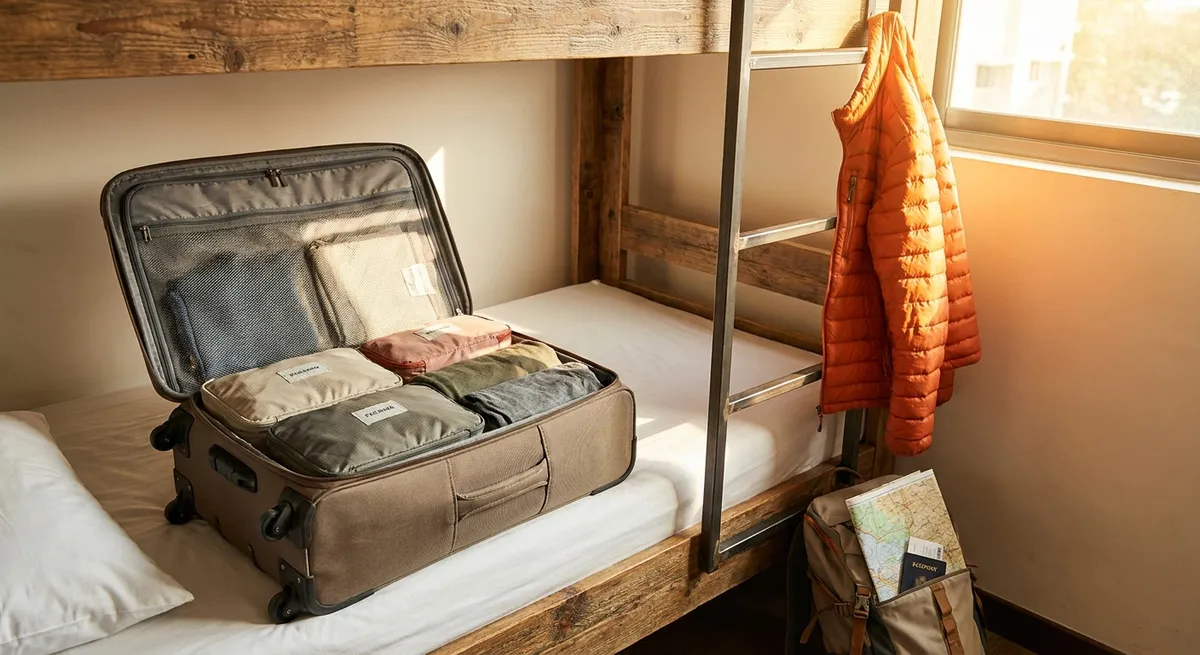
Packing cubes aren’t just for neatness; think of them as ready‑made modules for different parts of your trip. Instead of sorting by type (shirts in one, pants in another), organize by purpose:
- Sleep cube: Sleepwear, earplugs, eye mask, and a spare pair of socks. At a new hotel or late check‑in, you just grab this one cube and you’re done.
- Adventure cube: Activewear, swimsuit, compact towel, and a small dry bag. Perfect for beach days, hikes, or spontaneous water activities.
- City days cube: Your most versatile tops and bottoms for exploring, plus a light scarf or accessory that changes up the look.
- Essentials pouch: Medications, mini first‑aid items, and small personal care (bandages, pain reliever, hand sanitizer, lip balm).
This system saves time every morning—you’re pulling “modules” instead of digging through a jumble. It also makes security checks and repacking much easier, especially if you’re moving between multiple destinations.
Create a Personal Comfort Kit for Planes, Trains, and Long Rides
Your main bag handles clothes and gear; a compact comfort kit handles everything that keeps you feeling human in transit. This is your “micro carry‑on” that lives in your personal item or under‑seat bag.
Include items that solve common in‑transit problems:
- Dry air & germs: Travel‑size moisturizer, lip balm, hand sanitizer, tissues, sanitizing wipes
- Noise & light: Earplugs or noise‑canceling headphones, eye mask
- Temperature swings: Thin, packable scarf or shawl, socks, lightweight layer
- Energy dips: Healthy snacks (nuts, granola bars, dried fruit), refillable water bottle (empty through security)
- Organization: A small pouch to hold boarding passes, ID, pen, and a tiny notebook or note app shortcuts
Keep this kit pre‑packed between trips; just top up snacks and liquids. That way, when it’s time to go, you’re not scrambling for earbuds, your passport, or a pen for customs forms.
Pack a Micro Laundry Setup to Extend Your Wardrobe
Instead of packing more clothes “just in case,” bring a tiny laundry kit and plan to wash key pieces on the go. This lets you travel lighter while staying fresh.
A simple micro laundry setup can include:
- A small bottle or packets of sink‑safe detergent (or a concentrated multi‑use soap that works on clothes and body—check label instructions)
- A universal sink stopper or flat silicone drain cover if you’ll be hand washing
- A lightweight clothesline with built‑in clips or a few travel‑friendly clothespins
- A quick‑dry towel that can double as a drying surface or extra squeeze layer
Prioritize quick‑dry fabrics for base layers and underwear; they’re often ready overnight. A 10–15 minute wash once or twice during your trip can replace several extra outfits—and free up space for souvenirs or local treats.
Conclusion
Packing well isn’t about owning special gear or mastering complicated folding techniques. It’s about building simple, repeatable systems: an outfit map instead of guesswork, three smart clothing layers instead of a stuffed suitcase, purpose‑based packing cubes, a comfort kit for every journey, and a tiny laundry setup so your wardrobe goes further.
Once you dial in your personal version of these five tips, you’ll be able to pack in under an hour, travel lighter, and still feel ready for almost anything your trip throws at you. The more you practice, the more your bag feels less like baggage—and more like a streamlined travel toolkit that’s truly Travel Ready.
Sources
- U.S. Department of State – Traveler’s Checklist - Official guidance on documents, health, and safety prep you can align with your packing plans
- Transportation Security Administration (TSA) – What Can I Bring? - Up-to-date rules on what’s allowed in carry‑on and checked luggage
- Mayo Clinic – Jet lag disorder - Explains how to manage comfort and sleep on long journeys, informing what to include in your comfort kit
- Harvard Health Publishing – Choosing Exercise Clothes - Useful for selecting breathable, quick‑dry layers and activewear for travel
- Centers for Disease Control and Prevention (CDC) – Travelers’ Health - Offers destination-specific health advice that can influence what medical and hygiene items you pack
Key Takeaway
The most important thing to remember from this article is that this information can change how you think about Packing Tips.