Packing doesn’t have to feel like a game of suitcase Tetris. With a simple system and a few smart habits, you can be ready for almost any trip in minutes—not hours. This “Ready-in-10” approach is all about building a reliable routine so you spend less time stressing over what to bring and more time actually enjoying your travels.
Below are five practical, field-tested tips to turn packing into something quick, calm, and (yes) even a little satisfying.
Build a Standing Travel Kit You Never Fully Unpack
The single biggest time-saver? Stop starting from zero every trip.
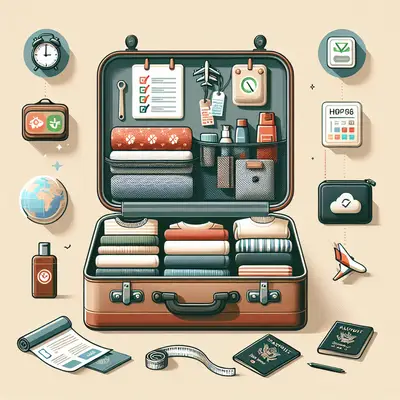
Create a dedicated travel kit that lives in your suitcase or a small pouch and is always 80–90% ready to go. Think of it as your “travel starter pack” that never fully gets unpacked, just refreshed.
Include items like:
- Travel-size toiletries in refillable bottles
- A spare toothbrush, razor, and mini deodorant
- A small first-aid / medication kit (pain reliever, bandages, allergy meds)
- A universal adapter and spare charging cable
- Earplugs and an eye mask
- A small laundry bag and a few zip-top bags
After each trip, do a two-minute reset: refill liquids, replace anything used up, and put the kit right back in your suitcase or designated “trip drawer.” Next time you pack, half your work is already done.
Bonus: This approach reduces the odds you’ll forget essentials like a charger or toothbrush, because they never leave the travel kit in the first place.
Pack in Outfits, Not Items
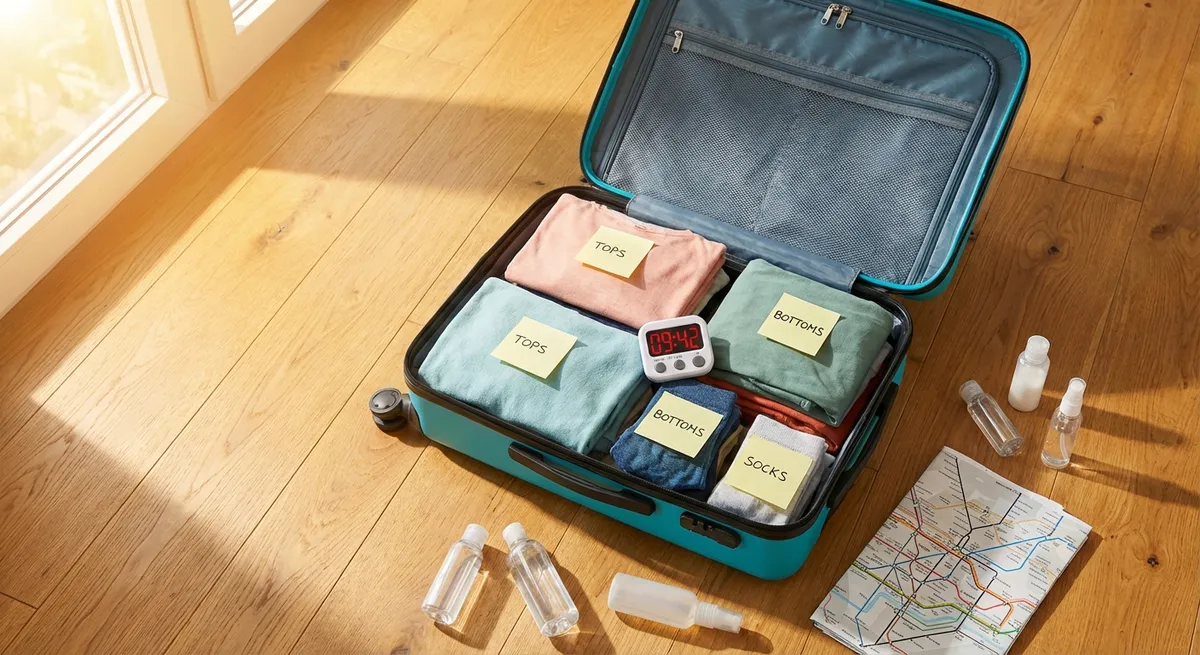
Instead of grabbing “a few shirts” and “some pants,” think in terms of complete outfits from the start. This instantly cuts down on overpacking and “I have nothing to wear” moments on the road.
Here’s how:
- Check the forecast for your destination, including day/night temps.
- Decide what you’ll be doing (walking tours, meetings, dinners, hiking, beach days).
For each day, mentally assemble a full outfit from top to bottom:
- Top - Bottom - Underwear and socks - Optional layer (cardigan, light jacket) - Shoes that match multiple outfits
Lay outfits on your bed in stacks. If a piece doesn’t work in at least two outfits, reconsider it. Aim for a simple color palette (neutrals plus 1–2 accent colors) so everything mixes easily.
This shift—from random items to complete, interchangeable outfits—means you carry less, dress faster, and feel put-together even after a long travel day.
Use a “Tech & Docs” Command Center Pouch
Few things spike travel stress like fumbling at security for your boarding pass or realizing your power bank is buried under three sweaters. A dedicated “command center” pouch keeps your essentials together and accessible.
Use a slim, zippered pouch or small organizer for:
- Passport and/or ID
- Printed or digital backup of reservations (hotel, car, major tickets)
- Boarding passes (if printed)
- Main charging cable, small power bank, and plug adapter
- A pen for forms and notes
- A small card with key info (hotel address, emergency contact, airline loyalty number)
When you move through security, check into your hotel, or board a train, this pouch is all you need to grab. It also doubles as your “leave-the-hotel” kit: phone, card, ID, hotel key, and you’re out the door.
Pro tip: Decide where this pouch lives (outer pocket of backpack, top of personal item) and always return it to the same spot. Consistency saves time and reduces that “Where did I put my passport?” panic.
Design a Simple Laundry Strategy Before You Pack
Smart packing isn’t just about what goes into your suitcase; it’s about how you’ll keep things wearable once you’re there. A basic laundry plan lets you pack lighter without sacrificing comfort or hygiene.
Before you pack, decide which of these fits your trip:
- Quick sink wash: Bring a small pouch with travel laundry detergent sheets or a concentrated liquid, plus a universal sink stopper if you’re unsure about hotel sinks. Great for washing underwear, socks, and lightweight tops.
- Hotel or local laundry: Check if your hotel has self-service machines or if there’s a nearby laundromat. If yes, you can confidently pack fewer clothes and do one mid-trip wash.
- Wear-more-fresh approach: For trips with limited laundry options, prioritize breathable, moisture-wicking fabrics and quick-dry items that stay comfortable longer.
Pack with this plan in mind. If you know you’ll do a sink wash, bring 1–2 fewer sets of undergarments. If you’re hitting a laundromat mid-week, you can often cut your clothing list by a third.
Add a lightweight, foldable laundry bag so dirty clothes stay separate and your suitcase doesn’t start to smell like “day three in a hostel.”
Reserve a “Flex Zone” in Your Bag for the Way Home
Most travelers forget one simple reality: you rarely come home with less than you packed. Souvenirs, snacks, extra brochures, and that last-minute sweater all need somewhere to live.
When you first pack:
- Aim to leave 10–20% of your suitcase volume empty (or occupied by compressible items like a packable tote or dirty-laundry bag you can wear or rearrange later).
- Pack a compact, foldable daypack or tote that can serve as your “overflow” or personal item on the return trip.
- Keep one packing cube or section of your bag intentionally under-filled—this becomes your “flex zone” for anything extra you collect.
This simple habit means no frantic repacking, no sitting on your suitcase to zip it, and fewer surprise baggage fees. You’ll also have a dedicated space to protect fragile or special items you pick up along the way.
Conclusion
Packing doesn’t have to be complicated or chaotic. By building a standing travel kit, planning in outfits, centralizing your essentials, thinking through laundry in advance, and reserving a little “future you” space, you create a repeatable packing system that works for almost any trip.
The goal isn’t the perfect suitcase—it’s feeling calm, prepared, and ready to step into your travel days with more energy and less stress. Once you dial in your own “Ready-in-10” method, every new destination becomes that much easier to say yes to.
Sources
- Transportation Security Administration (TSA) – What Can I Bring? - Official guidance on items allowed in carry-on and checked baggage, helpful when planning your packing list.
- U.S. Department of State – Travel - Government advice on documents, safety, and preparation before international trips.
- Centers for Disease Control and Prevention (CDC) – Travel Health - Recommends items for a travel health kit, useful when assembling your standing travel kit.
- Mayo Clinic – Jet lag: Prevention - Offers tips that can influence what comfort and sleep items you choose to pack.
- REI Co-op – How to Choose Travel Luggage - Breaks down luggage types and features, helping travelers select bags that match their packing style.
Key Takeaway
The most important thing to remember from this article is that this information can change how you think about Packing Tips.