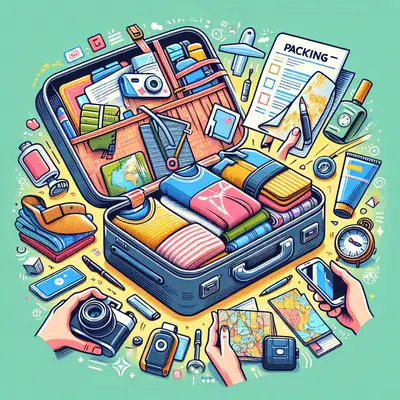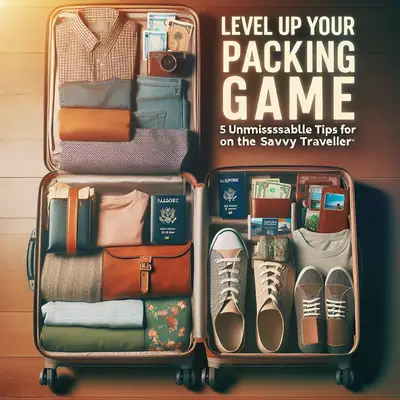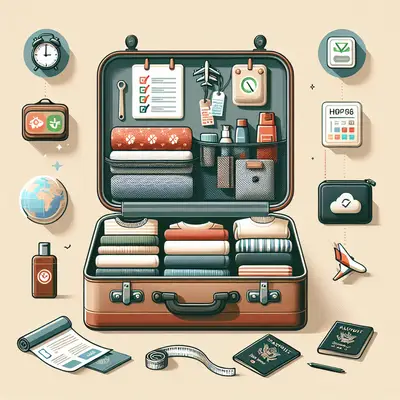
Packing light isn’t about being ultra-minimal or endlessly re-wearing the same shirt. It’s about freedom: moving faster, stressing less, and having exactly what you need without dragging your life around in a suitcase. With a few intentional choices, you can turn packing from a chore into a smart travel skill that makes every trip smoother.
Start With Your Days, Not Your Closet
Most people start packing by staring at their closet and pulling “favorites.” Flip that script and start with your itinerary instead.
Look at your actual days: Are you walking 10,000+ steps in a city? Working from cafés? Hiking, then going out for dinner? Write a simple day-by-day outline in your notes app, then imagine what you’ll realistically wear and use for each part of the day.
This “day-first” approach stops the “just-in-case” spiral. If a piece of clothing or gear doesn’t clearly match at least two situations on your trip, it’s a maybe—not a must. You’ll quickly spot overlap: the same shoes might work for walking tours and casual dinners; a light sweater might double as an in-flight layer and an evening cover-up.
By planning around your days, you avoid packing for a fantasy version of the trip—no more heels for nights out you never end up having, or bulky gear you touch once. You’re packing for the trip you’re actually taking, not the one you imagine.
Build a Tiny “Core Kit” You Always Pack
Instead of starting from zero every time you travel, create a small, repeatable core kit that lives in your bag or a drawer at home. Think of it as your personal travel foundation.
Your core kit might include:
- A compact toiletry set (travel-size or refillable bottles with your usual products)
- A simple first-aid/health pouch (pain reliever, bandages, any personal meds, motion-sickness or allergy tablets)
- A universal adapter and short charging cables
- A small laundry solution (sink stopper plus travel detergent sheets or a solid laundry bar)
- Earplugs and an eye mask for planes, trains, and noisy hotels
Once this is dialed in, you’re never scrambling the night before a trip. Instead, you just add trip-specific items (like a swimsuit, jacket, or hiking gear) around that reliable base.
This reduces forgotten essentials, keeps you organized, and makes it easier to stick to one carry-on because you aren’t stuffing in full-size bottles or random one-off items at the last minute.
Choose “Multi-Job” Items Over Single-Use Extras
When you’re trying to keep your bag lean, the real secret isn’t always packing fewer things—it’s packing things that do more than one job.
Look for versatile heroes like:
- A lightweight scarf or shawl that works as an airplane blanket, beach cover-up, impromptu pillow, or outfit polisher
- Neutral, layerable clothing that mixes and matches into multiple outfits instead of one “special” look
- A packable rain shell that doubles as a windbreaker and layers over everything
- A compact crossbody bag that also works as your in-flight pouch and day bag
- A phone that can replace a separate camera, flashlight, and sometimes even your boarding pass and transit cards
When you’re debating between two items, ask: “Does this do something I can’t do with what I’m already bringing?” If the answer is no, it probably doesn’t earn a spot.
This mindset lets you travel prepared without overpacking. Your bag feels intentional—not stuffed with gear you barely touch.
Pack in “Zones” So You Can Find Anything Fast
The best-packed bag isn’t the one that looks the neatest when you zip it closed—it’s the one where you can grab what you need in seconds without exploding your entire suitcase onto the hotel bed.
Think in zones instead of “one big space”:
- Sleep / Comfort Zone: Eye mask, earplugs, lightweight sleepwear, toothbrush—everything you might want right when you land or check in late at night
- Electronics Zone: Cables, chargers, adapter, power bank, headphones, stored in one pouch so nothing gets lost in corners
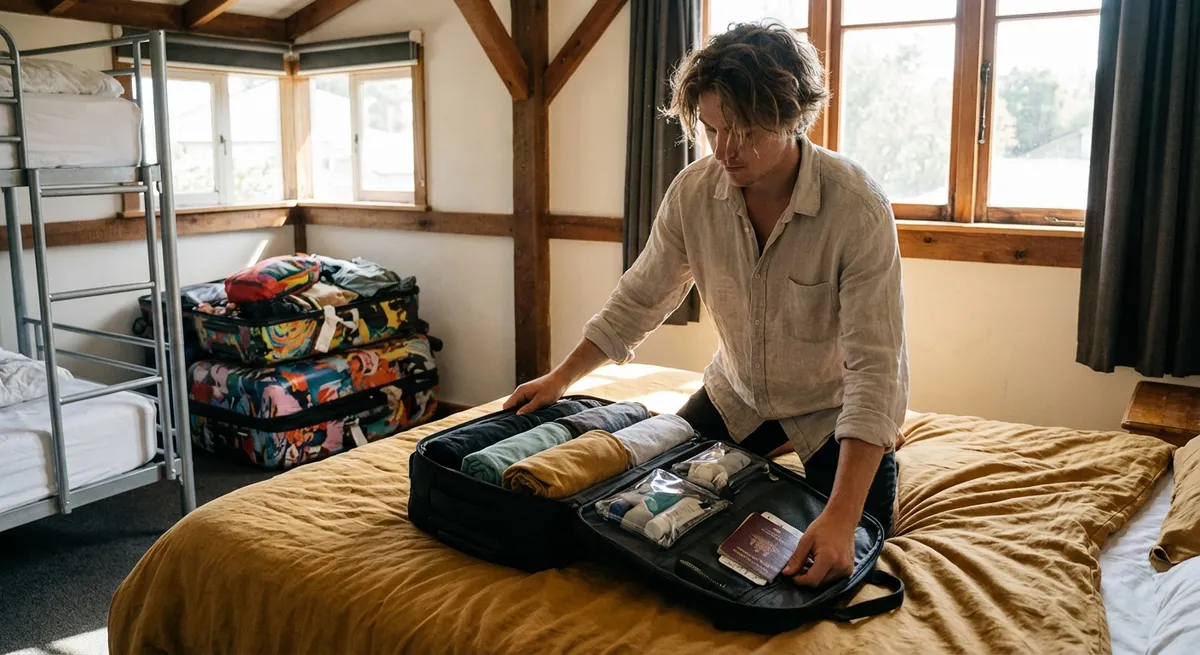
- Clean / Dirty Clothing Zone: Packing cubes or simple fabric bags to separate clean from worn items as you go
- Quick-Access Zone (usually your personal item): Passport, wallet, pen, phone, lip balm, hand sanitizer, and a small snack
Using pouches, packing cubes, or even resealable bags means you don’t have to dig for tiny items at security or in a dark overnight bus. You’ll waste less time searching and more time actually enjoying where you are.
Give Yourself a “Test Pack” 24 Hours Before Departure
Rushing to pack the night before makes it almost impossible to stay intentional—you throw in too much, forget small essentials, and end up stressed at the airport.
Instead, aim to do a full test pack 24 hours before you leave:
- Lay everything out on a bed or table where you can see it all at once.
- Remove duplicates (two black hoodies? pick one; three similar tops? choose your favorites).
- Do a weight and space check: can you lift your bag comfortably and walk a few minutes with it? If it already feels heavy, cut a few items.
- Check local weather and dress norms one more time and adjust a layer or two if needed.
- Do a reality sweep: Is there anything here you know deep down you’ll never actually use? Take it out.
That extra day gives you breathing room. If you realize you’re missing a universal adapter, a small umbrella, or a pair of walking socks, you still have time to fix it. And if you close your bag and it feels light and manageable, you’ll head into your trip already feeling in control.
Conclusion
Smart packing isn’t about strict rules—it’s about intentional choices that support the way you like to travel. When you start from your days, rely on a trusted core kit, choose multi-job items, organize in clear zones, and run a quick test pack, your bag stops being a burden and becomes a tool.
You move easier. You stress less. You’re ready faster.
And the best part? Every trip teaches you something new about what you truly need. Save those lessons, refine your setup, and your future self—breezing through the airport with one easy bag—will thank you.
Sources
- U.S. Department of State – Travel Packing and Preparation Tips - Official checklist and guidance on documents and essentials to prepare before international trips
- Transportation Security Administration (TSA) – What Can I Bring? - Up-to-date information on items allowed in carry-on vs. checked luggage
- Centers for Disease Control and Prevention (CDC) – Travelers’ Health - Health-related packing guidance, including medications and destination-specific recommendations
- REI Co-op Expert Advice – Travel Packing Tips - Practical advice on organizing luggage, choosing travel gear, and packing efficiently
- Rick Steves Europe – Packing Light and Right - Detailed philosophy and practical tips for traveling with a single, well-organized bag
Key Takeaway
The most important thing to remember from this article is that this information can change how you think about Packing Tips.