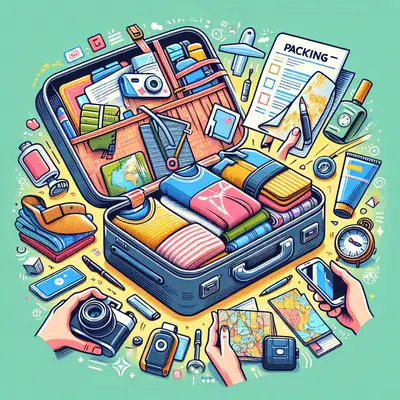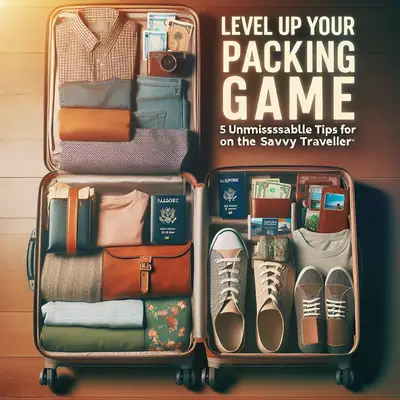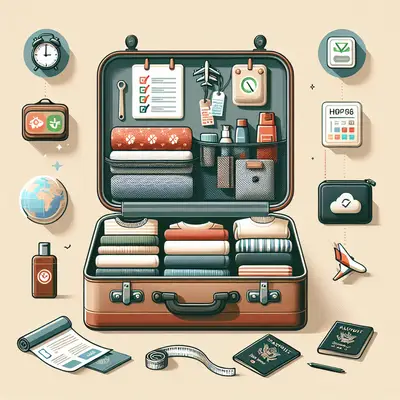
Packing doesn’t have to be a frantic game of suitcase Tetris the night before your flight. With a few smart moves, you can turn that chaos into calm, keep your bag light, and still arrive feeling fully prepared. This guide breaks down practical, real-world tips you can reuse for every kind of trip—whether it’s a quick city break or a multi-country adventure.
Build a Reusable Packing “Template” Instead of Starting From Zero
Most of the stress around packing comes from re-deciding everything for every trip. Instead of building a list from scratch each time, create a reusable “packing template” that you can quickly customize.
Start with a master list that covers your basics: clothing categories (tops, bottoms, outerwear, underwear, sleepwear), toiletries, tech, health items, documents, and “nice-to-haves.” Save this as a note on your phone or in a packing app so it’s always with you. Next time you travel, duplicate it and delete what you don’t need for that specific trip (for example, no swimsuit on a winter city break, or no blazer for a beach escape). Over a few trips, your template will evolve to fit your personal style, must-have comforts, and frequently forgotten items. This approach prevents overpacking because you’re editing from a smart starting point, not panic-adding items at the last second.
Pack in “Outfits,” Not in Single Items
One of the easiest ways to keep your bag under control is to think in complete outfits instead of individual pieces. Instead of tossing in “a few shirts” and “some pants,” plan what you’ll actually wear each day (or activity), then make your pieces work double duty.
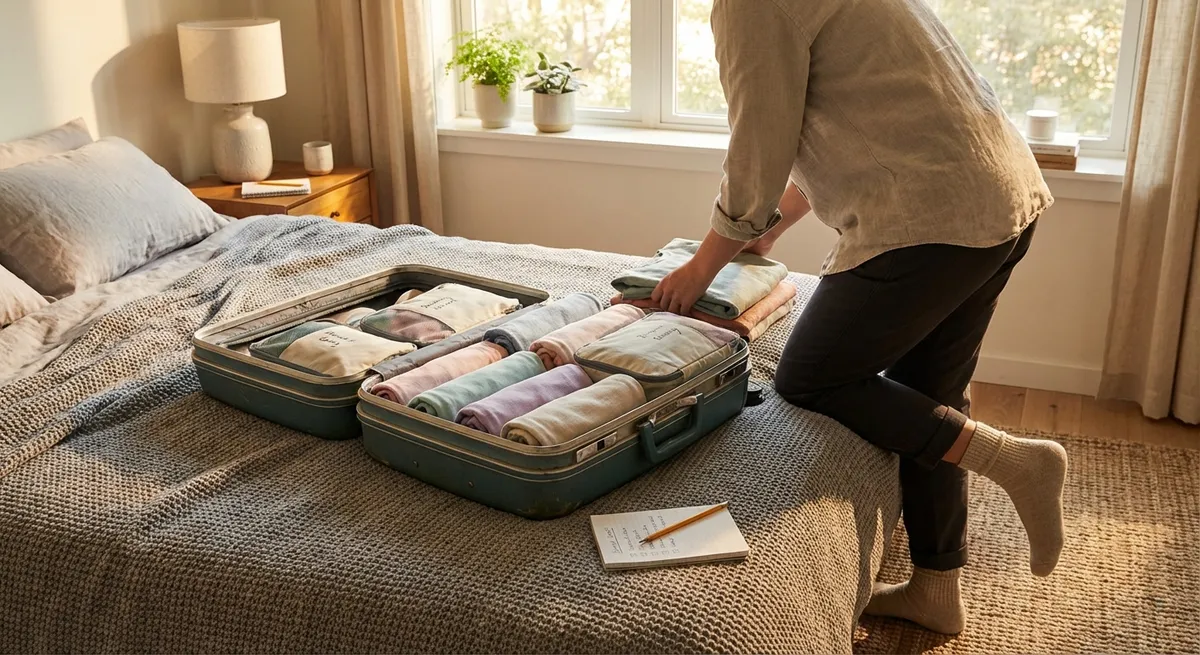
Lay everything out on your bed or floor and build outfits first: travel-day outfit, sightseeing outfit, dinner outfit, hiking outfit, beach day, and so on. Then ask: which items can appear in two or three different outfits? A neutral pair of pants that works with three tops, or a dress that can be worn with sneakers by day and a scarf plus flats at night, earns its space. Try to follow a loose color palette (like neutrals plus one accent color) so everything mixes easily. When you’re done, you’ll have fewer pieces overall, more combinations, and less “I have nothing to wear” frustration once you arrive.
Turn Toiletries Into a Ready-to-Grab “Travel Set”
Toiletries are notorious for causing both clutter and delays—either you forget a key item or you spend 30 minutes decanting liquids into tiny bottles before every trip. Solve this once by building a dedicated travel toiletry kit that lives in your suitcase or a drawer, always ready to go.
Buy travel-sized versions of your essentials (or small refillable containers) and stock a separate set: toothpaste, toothbrush, deodorant, skincare basics, small hairbrush, travel-sized sunscreen, and any must-have makeup. Keep everything in a clear, zippered pouch that meets airport security guidelines for liquids; this makes screening smoother and faster. After each trip, top up anything that’s running low so it’s ready for next time. This setup saves mental energy before every trip and reduces the risk of forgetting basics like a toothbrush or contact lens solution. As a bonus, you’ll avoid last-minute drugstore runs at your destination when you’re tired and just want to rest.
Use Smart Layers and “Bulk on Body” to Beat Baggage Limits
If you’re trying to avoid checked-bag fees or stick to a smaller suitcase, how you pack your heaviest items matters as much as what you bring. A simple rule: wear your bulkiest or heaviest pieces on travel days and pack more compact items in your bag.
That means your heaviest shoes (like boots or sneakers) go on your feet, not in your suitcase. The same goes for your thickest layer—think hoodie, cardigan, or light jacket. Plan a “travel uniform” that’s comfortable, layered, and versatile: breathable base layer, mid-layer for warmth, and a light jacket or outer layer that can handle changes in temperature between your departure and arrival points. On the plane or train, you can always remove layers and use them as a pillow or blanket. This strategy gives you more space and weight allowance inside your bag for everything else while still keeping you comfortable during transit.
Give Every Item a “Job” (and Say No to Single-Use Space Wasters)
One simple question can instantly tighten up your packing: “How many different ways will I use this?” Items that can only do one very narrow job rarely earn their place; items with two or three uses almost always do.
For clothing, choose pieces that can dress up or down with small tweaks (like a scarf, belt, or jewelry). For accessories, think about multipurpose champions: a large scarf that works as a blanket on the plane, a beach cover-up, and a shawl for cooler evenings; a lightweight tote that doubles as your personal item and day bag; or a small dry bag that keeps electronics safe from rain and becomes a laundry bag later. Skip “just in case” items that don’t solve a real, likely problem—like packing three extra pairs of shoes when you realistically only wear two. The more each item does, the leaner your packing becomes, and the easier it is to find what you need once you’re on the move.
Conclusion
Packing well isn’t about perfection or having the trendiest gear—it’s about removing friction from your trip so you can focus on actually being there. With a reusable list, outfit-based planning, a ready-to-go toiletry kit, smart layering, and a “multi-use only” mindset, you can pack faster, carry less, and still feel completely prepared. The goal is simple: less time wrestling with your suitcase, more time enjoying the journey.
Sources
- U.S. Transportation Security Administration – Travel Tips - Official guidance on what you can pack in carry-on and checked luggage, plus tips for moving smoothly through security
- U.S. Department of State – Travel Preparation - Government advice on documents, safety, and what to prepare before international trips
- Mayo Clinic – Travel and Health - Health-focused recommendations for what to bring and how to protect your well-being while traveling
- Centers for Disease Control and Prevention – Traveler’s Health Packing List - Evidence-based guidance on health-related packing, including medications and safety items
- Transportation Security Administration – Carry-On Liquids (3-1-1 Rule) - Detailed explanation of liquid rules to help you organize and pack your toiletry kit correctly
Key Takeaway
The most important thing to remember from this article is that this information can change how you think about Packing Tips.