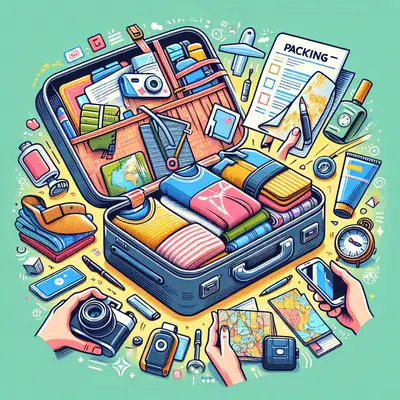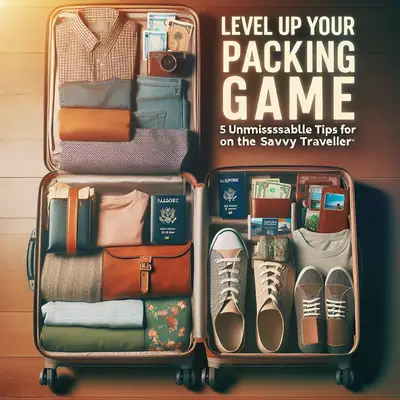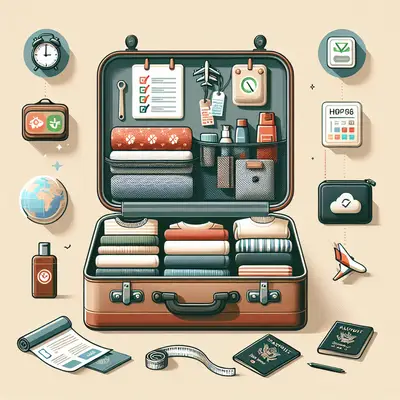
Packing doesn’t have to be the frantic, night-before scramble we all know too well. With a few smart habits and a clear game plan, you can step out the door feeling prepared, lighter, and actually excited about your bag instead of worried you forgot something. This guide walks you through five practical, traveler-tested tips that turn packing into a simple, repeatable system—not a last-minute guessing game.
Build a Personal Packing Blueprint You Reuse Every Trip
Instead of starting from scratch each time, create a master packing blueprint that you can adapt for any destination.
Begin with three columns: essentials you always need, trip-specific items, and “nice-to-haves.” Essentials might include your passport, medications, chargers, underwear, and everyday toiletries. Trip-specific items depend on climate and activities, like hiking shoes or a swimsuit. Nice-to-haves are comfort extras like a travel pillow or a favorite snack.
Keep this blueprint as a digital note (in Google Docs, Notion, Apple Notes, etc.) so you can duplicate and tweak it by trip. After each journey, update it: remove what you never used (except safety items like first-aid) and add anything you found yourself wishing you’d packed. Over time, this becomes a customized checklist that mirrors how you actually travel—cutting decisions, saving time, and dramatically reducing “I can’t believe I forgot that” moments.
Design Outfits Around a Single Color Story
Instead of packing “pieces you like,” pack outfits that work together. The easiest way: choose one base color story.
Pick a neutral core—such as black, navy, or beige—and build everything around it: tops, bottoms, outer layers, and shoes that all coordinate with that palette. This lets you mix and match without thinking, turning 6–8 items into many more outfit combinations. Aim for clothes you can dress up or down: a plain tee that works with jeans during the day and with a nicer skirt or trousers at night, or a lightweight button-down that doubles as a beach cover-up and a dinner layer.
Limit shoes to what matches the color story and use case: typically one comfortable walking pair and one more polished option. When everything plays nicely together, you free yourself from packing “just in case” outfits and still feel put-together in every trip photo.
Use Containers With a Purpose, Not Just Because You Have Them
Packing cubes, zipper pouches, and small bags can either organize your life or create chaos if you use them randomly. Give every container a job before it goes in your suitcase.
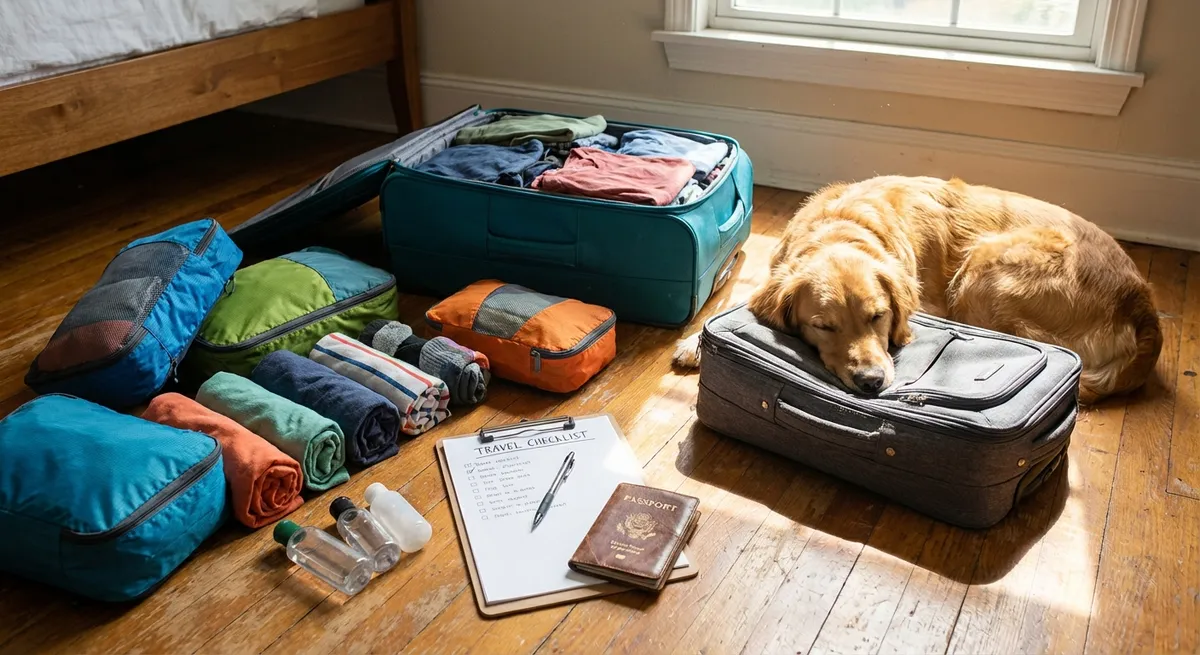
For example, assign one cube for “sleep and lounge” clothes, one for “daily outfits,” and one for “underwear and socks.” Use a small pouch for in-flight essentials (lip balm, headphones, charger, pen, sleep mask) that moves directly from your bag to the seat pocket. A clear, TSA-compliant toiletry bag keeps liquids together and visible for security checks, reducing stress at the airport.
The key is consistency: pack items in the same type of container on every trip so you form muscle memory. When you know “all tech lives in the blue pouch” or “underwear is always in the small cube on the left,” unpacking is faster, repacking mid-trip is easier, and you’re far less likely to leave something behind in a hotel drawer.
Make a Micro “Oh-No Kit” for Travel Surprises
Small problems can derail your day if you’re unprepared—a blister, a missing button, or a dead phone battery. A compact “oh-no kit” prevents tiny inconveniences from becoming major frustrations.
Use a small zip pouch and include items like: bandages or blister plasters, pain relievers (in clearly labeled travel-sized containers), a few safety pins, a mini sewing kit, stain-removal wipes, hand sanitizer, and a compact power bank with a short charging cable. If you wear prescription glasses or contacts, add a spare pair or a backup lens case; if you rely on daily medication, keep at least one or two days’ worth in this kit in your personal item, not checked luggage.
Keep this kit in your carry-on or personal bag, not your checked suitcase. That way, whether your luggage is delayed or you’re stuck on a long train ride, you still have basic fixes at your fingertips—and you won’t have to hunt for a pharmacy in an unfamiliar place when you’d rather be exploring.
Set a Hard “Bag-Closed” Deadline Before Departure
One of the most powerful packing tips isn’t about what you bring—it’s about when you stop packing.
Give yourself a personal rule: your main bag must be fully packed and zipped at least 12–24 hours before you leave for the airport or departure point. After that, you’re only allowed to add from a tiny “final items” list (like phone, wallet, toothbrush, or the clothes you slept in), not start new decisions about outfits or extra gear.
This “bag-closed” deadline forces you to make choices in a calmer state, reduces last-minute panic, and leaves room for a final review: checking travel documents, confirming chargers are packed, and weighing your bag if needed. Use the remaining time to rest, hydrate, and sync offline maps or boarding passes. You’ll arrive at your departure point more rested, more organized, and less likely to realize mid-flight that you left your headphones on the kitchen counter.
Conclusion
Packing well isn’t about cramming more into your suitcase; it’s about creating a reliable system you can reuse, refine, and trust. By building a personal packing blueprint, choosing a color story for your outfits, giving every container a job, carrying a small “oh-no kit,” and setting a firm bag-closed deadline, you turn packing from a stressful chore into a smooth, repeatable routine. The payoff is huge: lighter bags, fewer forgotten items, and more mental energy to enjoy the reason you’re traveling in the first place.
Sources
- U.S. Department of State – Travel Checklist - Official guidance on essential documents, safety considerations, and pre-trip planning
- Transportation Security Administration (TSA) – What Can I Bring? - Up-to-date rules on liquids, medications, electronics, and other items in carry-on vs. checked luggage
- Mayo Clinic – Traveling with Medications - Medical guidance on safely packing and carrying prescription and over-the-counter medications
- Harvard Health Publishing – Travel Smart: Travel Health Tips - Expert advice on staying healthy on the road, including what health-related items to pack
- CDC – Travelers’ Health - Recommendations for building a travel health kit and preparing for different destinations
Key Takeaway
The most important thing to remember from this article is that this information can change how you think about Packing Tips.