Packing isn’t just about squeezing things into a bag—it’s about designing how your trip will feel. When your suitcase is light, organized, and easy to handle, everything from airport security to hotel check‑in gets smoother. These five practical habits will help you pack with more intention, waste less time, and enjoy way more freedom on the road.
Build a Reusable Packing Layout Instead of Starting From Scratch
One reason packing feels exhausting is that most people “reinvent the wheel” before every trip. Instead, create a reusable layout—a simple system you can tweak slightly depending on the destination.
Start by choosing your base categories: clothing, toiletries, tech, documents, health/safety, and “in‑transit comfort.” Within each category, define a default list that works for most trips, like a mini uniform for travel days, a standard toiletry kit, and the electronics you always carry. Save this in your phone notes or as a checklist app so you aren’t relying on memory.
Next, design how these categories live in your bag. For example: clothes on one side of the suitcase, tech and documents on the other, toiletries at the top for easy access. Keep the basic “map” the same every time so you always know where things are without thinking. Over a few trips, refine this layout—remove what you never use and upgrade what you always reach for. You’ll end up with a personalized packing system that turns something stressful into a quick, repeatable ritual.
Choose a Color Story to Make Outfits Work Harder
Instead of packing more clothes, focus on packing smarter clothes. A simple “color story” helps nearly every item in your bag work together, giving you more outfits from fewer pieces.
Pick one neutral base (like black, navy, tan, or gray) and one or two accent colors you enjoy wearing. Make sure your main bottoms—pants, skirts, or shorts—are neutral so they can pair with every top. Limit shoes to one or two pairs that match this palette as well; that way, every outfit you build is wearable, and you don’t end up with an orphan piece that only works with a specific shoe or jacket.
Prioritize fabrics that are wrinkle‑resistant, quick‑drying, and breathable—especially for trips involving multiple climates or long transit days. Lightweight layers (a thin sweater, a packable jacket, a scarf) create more combinations than extra bulky pieces. This approach doesn’t just keep your bag lighter; it also reduces decision fatigue on the road because everything you packed “plays well” together.
Pack in Layers of Access, Not Just Layers of Clothing
Thinking in terms of access will change how you interact with your bag. Instead of tossing everything into a single compartment, arrange your items by how soon and how often you’ll need them.
Create an “immediate access” layer in your personal item (backpack or tote): passport, wallet, phone, boarding passes, medication, a pen, headphones, a small snack, and anything you’ll need for the first 12–24 hours if your checked luggage is delayed. Put these in clearly separated pockets or small pouches so you’re not digging at the airport counter.
The next layer is “first night essentials”: a change of clothes, basic toiletries, chargers, and any must‑have personal items. If you’re checking a bag, keep this in your carry‑on. If you’re only traveling with a carry‑on, group these at the top so they’re the first things you see when you open your suitcase at the hotel.
Everything else—backup outfits, extra shoes, non‑urgent gear—can go deeper in the bag. This access‑based layering keeps security checks faster, reduces the chaos of arrival, and gives you peace of mind if anything goes off schedule.
Turn Toiletries into a Permanent Travel Kit
Instead of rebuilding your toiletry setup for every trip, turn it into a permanent, always‑ready kit that lives in your suitcase or a dedicated drawer. This is one of the easiest upgrades you can make to your travel life.
Start with a transparent, TSA‑compliant bag and fill it with travel‑size containers of your everyday products: cleanser, moisturizer, shampoo, conditioner, sunscreen, contact solution (if needed), and any prescription items. Use leak‑proof bottles and label them clearly so you’re never guessing mid‑trip. When possible, swap liquids for solids—like solid shampoo bars or bar soap—to reduce spills and breeze through liquid restrictions.
Add “tiny but mighty” extras that make a big difference on the road: a few bandages, pain reliever, motion sickness tablets (if relevant), mini hand sanitizer, lip balm, a small pack of tissues, and a travel toothbrush and toothpaste. After each trip, top up anything that’s running low and return the kit to its spot. The next time you travel, that entire category is already done—no last‑minute scrambles to find a mini shampoo.
Use Compression and Structure Without Overstuffing
Packing cubes and compression bags can be game‑changers when used correctly—but they shouldn’t just be about cramming more in. Think of them as tools to give your bag structure and keep it easy to manage.
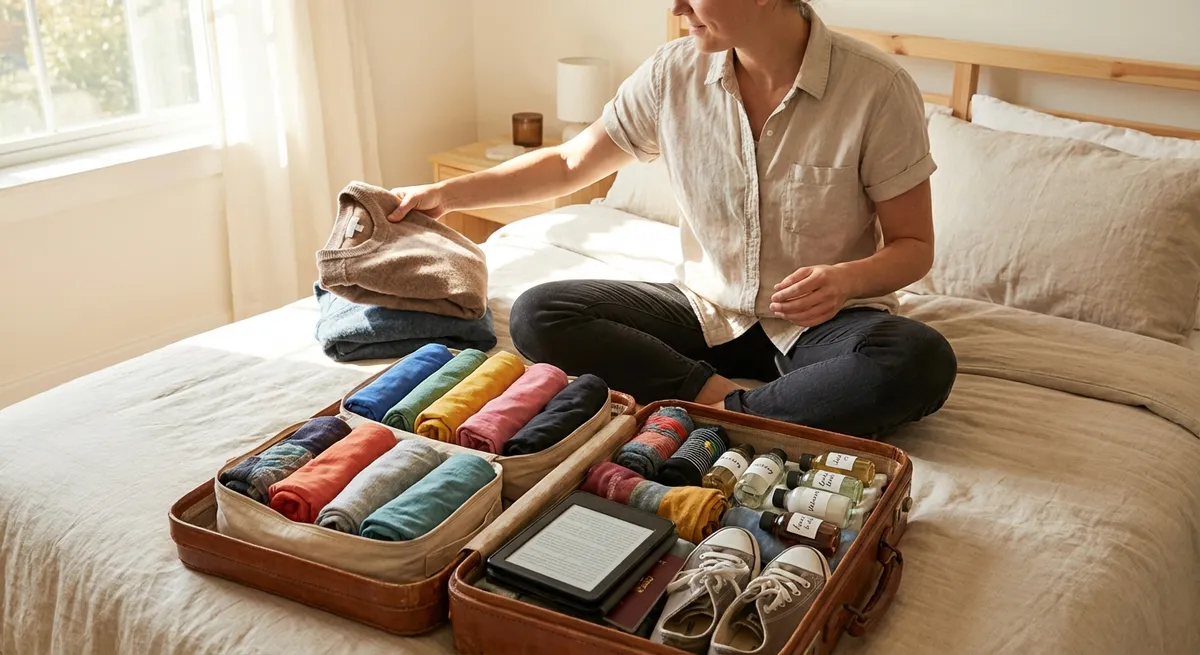
Use regular packing cubes for grouping: one for tops, one for bottoms, one for undergarments and sleepwear, for example. This keeps your suitcase organized so you can pull out a single cube instead of rummaging through everything. Opt for cubes with mesh panels so you can see what’s inside at a glance.
Compression cubes are most helpful for bulky items like sweaters or jackets, but be careful not to overpack them. If your suitcase is so tightly packed that you struggle to close it, you’ll have a harder time navigating security checks, overhead bins, and walking long distances with your bag. Leave a bit of empty space if you can—it makes repacking easier and gives you room for souvenirs or items you didn’t anticipate needing. A well‑structured, not‑quite‑full bag feels lighter, is easier on your body, and makes every travel day more comfortable.
Conclusion
Smart packing isn’t about perfection or never forgetting anything—it’s about building habits that make every trip easier than the last. When you have a reusable layout, a simple color story, logical access layers, a ready‑to‑go toiletry kit, and a structured bag that’s not bursting at the seams, travel days become far less stressful and far more enjoyable. Start with one or two of these habits on your next trip, refine them when you get home, and soon your bag will feel like a trusted travel partner instead of a necessary burden.
Sources
- U.S. Transportation Security Administration (TSA) – What Can I Bring? - Official guidance on liquids, electronics, and carry-on rules for U.S. air travel
- U.S. Department of State – Traveling Abroad - Pre-trip planning advice, including documents and safety considerations that affect what you pack
- Mayo Clinic – Travel and Stress Management - Tips for reducing travel stress, which packing organization can support
- Centers for Disease Control and Prevention – Traveler’s Health - Official recommendations for items to include in a personal travel health kit
- Consumer Reports – How to Pack a Suitcase - Practical, tested advice on suitcase organization, clothing choices, and packing tools
Key Takeaway
The most important thing to remember from this article is that this information can change how you think about Packing Tips.