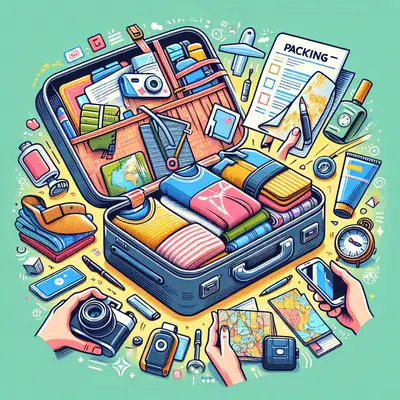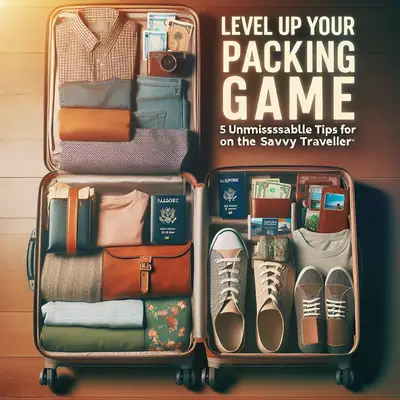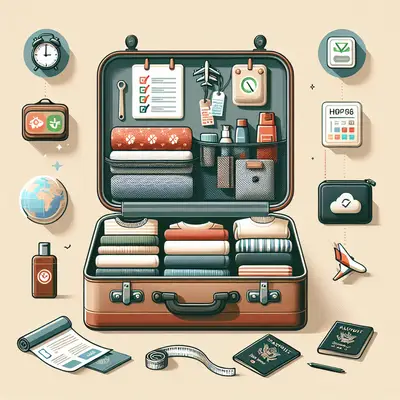
If you’ve ever wrestled a suitcase up metro stairs, played Tetris with overhead bins, or waited forever at baggage claim while everyone else breezed out of the airport, this one’s for you. Adopting a “carry-on mindset” isn’t just about smaller bags—it’s about packing with intention so you can move faster, feel lighter, and actually enjoy the journey. These five practical packing moves will help you get there, without feeling like you left half your life at home.
Start With Your “Travel Uniform,” Then Add Only What Supports It
Before you even unzip a suitcase, decide what you’ll actually wear on repeat: your travel uniform. This is a combination of 5–8 pieces that mix and match into almost everything you need. Think: one pair of neutral pants, one pair of comfortable jeans or trousers, 2–3 tops that work with both, one lightweight layer, and shoes that match all of it. Choose a tight color palette (neutrals plus one accent) so everything plays nicely together.
Once that core is locked in, treat every additional item as something that must earn its place. If a piece can’t be worn at least two different ways, it probably doesn’t make the cut. This approach slashes “just in case” items and keeps you focused on outfits you’ll actually reach for. The bonus: getting dressed on the road takes seconds, not twenty minutes of digging through overpacked chaos.
Build a Personal In-Flight Kit You Never Unpack
Instead of rebuilding your toiletries and comfort items for every trip, create a dedicated in-flight kit that lives in your carry-on. Use a small, clear pouch and stock it with travel-sized essentials: a toothbrush and paste, facial wipes, lip balm, a tiny moisturizer, earplugs, a sleep mask, hand sanitizer, and any daily medications. Add one or two “luxury” items that make travel feel better for you personally—maybe compression socks, a pen and small notebook, or a sheet mask for long-haul flights.
The key is to never fully unpack this kit at home. After each trip, top it off and put it straight back into your carry-on. When your travel day arrives, you’re not hunting in drawers or repacking the same things you always bring—they’re ready to grab and go. This also reduces the risk of forgetting something crucial like medication or glasses, because those live in this kit by default, not as last-minute add-ons.
Treat Your Bag Like a Tiny Apartment, Not a Storage Bin
Your suitcase works best when everything has a “home,” just like a well-organized small apartment. Instead of stuffing clothing in randomly, assign zones and stick to them. Use packing cubes or simple cloth bags to separate categories: one for tops, one for bottoms, one for underwear and sleepwear, and one for “daily grab” items like chargers, adapters, and a compact laundry kit.
Pack in the order you’ll use things: sleepwear or first-night outfit near the top, rarely used items at the bottom. Keep all tech (chargers, power bank, cables, adapter) in one small pouch so you’re not fishing in every corner of your bag at an outlet in the airport. This system means you can unpack in two minutes—slip the cubes into drawers or onto shelves, plug in your tech pouch, and you’re done. Traveling becomes less about rummaging and more about living comfortably out of a bag.
Pre-Pack a Mini Laundry Setup to Stretch Your Wardrobe
One of the easiest ways to pack less is to plan for washing a few items instead of bringing duplicates “just in case.” A tiny laundry kit takes almost no space but massively extends your wardrobe. Pack a zip-top bag with a travel-sized detergent (or a few detergent sheets), a universal sink stopper, and a thin elastic clothesline or a handful of lightweight clips.
Washing a couple of items every few days—like socks, underwear, and T-shirts—means you can comfortably travel with fewer pieces while still feeling fresh. Hang items to dry overnight in the bathroom or near a window. This strategy is especially powerful on longer trips where overpacking becomes tempting. You regain control over your bag’s weight and size without sacrificing comfort or cleanliness, and you’re never stuck wearing something that doesn’t feel quite right just because it’s all you have left.
Make a “Departure Day” Checklist You Actually Use
The most forgotten items are almost always last-minute essentials: phone chargers, IDs, glasses, and day-of toiletries. Instead of trusting your memory when you’re rushing out the door, write (or type) a short, reusable departure-day checklist and keep it in your bag or notes app. Include items like: passport/ID, wallet, keys, glasses/contacts, medications, phone + charger, power bank, and any must-bring work or study materials.
On travel morning, do a quick walk-through of the list before zipping your bag. This simple system saves you from that sinking feeling of realizing you left your prescription, laptop charger, or favorite jacket at home. Over time, update the checklist with your personal non-negotiables—maybe a reusable water bottle, a hat, or a specific adapter you always need. The checklist becomes your safety net, so you can focus on the adventure instead of worrying what you forgot.
Conclusion
Packing doesn’t have to feel like a puzzle or a test. With a clear travel uniform, a ready-to-go in-flight kit, a well-organized “tiny apartment” suitcase, a simple laundry setup, and a realistic departure-day checklist, you’ll travel lighter and move faster—with far less stress. The real win isn’t just fitting everything into a smaller bag; it’s having exactly what you need, exactly where you expect it, so you can spend your energy on new places, not on managing your stuff. Your next trip is an opportunity to test this carry-on mindset—once you feel how freeing it is, you may never go back.
Sources
- U.S. Transportation Security Administration – What Can I Bring? - Official guidelines on what is allowed in carry-on vs. checked baggage
- Centers for Disease Control and Prevention – Travel Health - Advice on medications, health kits, and staying healthy while traveling
- Mayo Clinic – Jet Lag Disorder - Information on managing jet lag, useful for planning in-flight comfort kits
- U.S. Department of State – Travel Advisories & Preparation - Guidance on documents and preparation before international trips
- Transportation Security Administration – Liquids Rule - Detailed explanation of the 3-1-1 liquids rule for carry-on packing
Key Takeaway
The most important thing to remember from this article is that this information can change how you think about Packing Tips.