You can’t control delayed flights, surprise storms, or that “fully booked” hotel that mysteriously lost your reservation—but you can control how ready you are when travel goes off script. Think of this as your personal “backup plan blueprint”: smart, simple hacks you set up before and during your trip so you bounce back fast instead of scrambling in panic. These moves don’t just save time and money—they protect your sanity and turn travel chaos into just another story you’ll laugh about later.
Build a Digital Safety Net Before You Leave
Most people remember to screenshot their boarding pass; few create a full digital backup system. Taking 15 minutes before your trip can turn a lost passport or stolen phone from a disaster into an inconvenience.
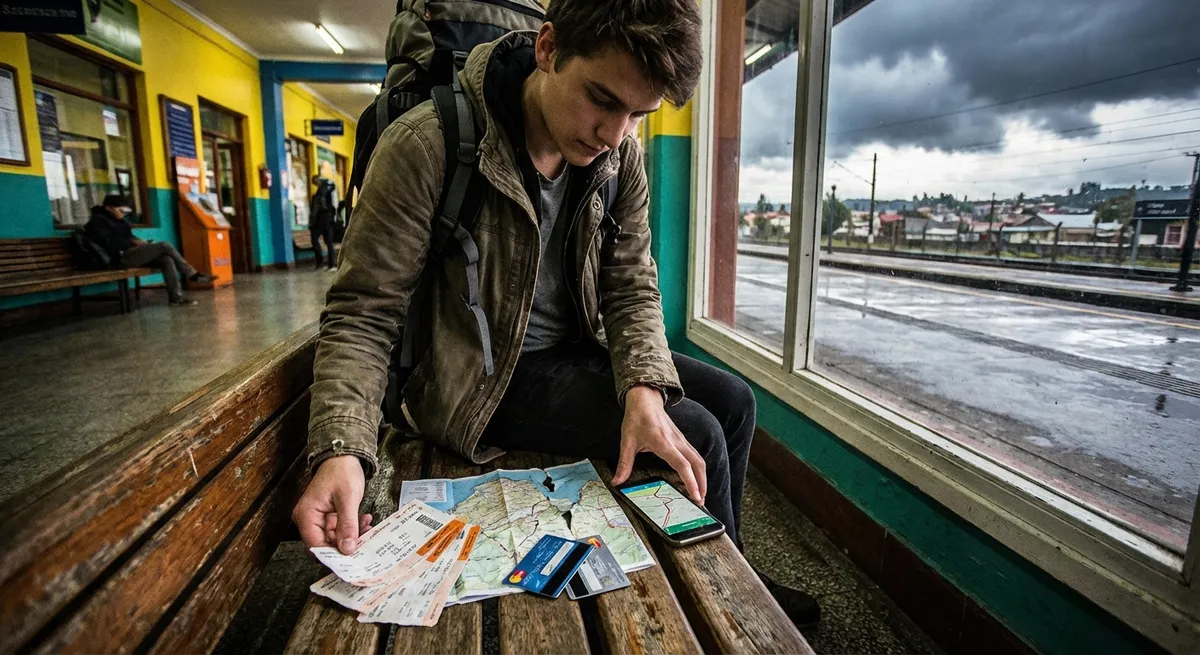
First, store digital copies of essentials: passport ID page, visas, vaccine records, travel insurance, and booking confirmations. Save them three ways: in a secure cloud folder (like Google Drive or iCloud), in an offline note app, and emailed to yourself with a clear subject line (e.g., “Italy Trip Docs – June 2025”). Make sure at least one version is offline accessible in case you lose service.
Next, share a “trip dossier” with a trusted contact at home: your flight numbers, hotels, rough itinerary, and copies of key documents. If you ever lose access to your accounts, they’re your lifeline. Add emergency numbers for your country’s embassy/consulate at your destination—even better, write them on a physical card you keep in your wallet.
Finally, enable “find my device” features and learn how to trigger remote lock or erase. It’s a 60-second settings change that can protect everything from photos to banking apps if your phone goes missing. You’ll probably never need it—but if you do, you’ll be grateful you set it up.
Turn Travel Disruptions into Opportunity with Flexible Bookings
Flight delays and cancellations are almost a feature of modern travel, not a bug. Instead of hoping for the best, structure your bookings so disruptions give you options, not headaches.
When possible, choose tickets and hotels with clear, generous change or cancellation policies—even if they cost slightly more. Free date changes or 24-hour cancellation windows can easily save you the cost of a rebooked flight or extra night. Always screenshot the fare rules and hotel policies at booking; if something goes wrong, you’ll have proof of what you’re entitled to.
For connections, treat minimum connection times as the floor, not the goal. If you’re flying through busy hubs or during storm-prone seasons, pad your layovers. One extra hour can be the difference between strolling to your next gate and sprinting through the terminal only to watch your plane door close.
Also, learn your rights before you go. Some regions, like the EU, have regulations that require compensation or assistance for delays and cancellations in specific circumstances. Knowing whether you’re entitled to meals, hotels, or vouchers helps you advocate calmly and confidently at the counter instead of guessing in the moment.
Pack a “Rescue Kit” That Lives in Your Day Bag
Think of your personal item or daypack as a mini survival kit for travel surprises. If your checked bag disappears, your room isn’t ready, or you’re stuck in an airport overnight, this kit keeps you functioning and comfortable.
At minimum, include: one full change of clothes (including underwear and socks), a compact toothbrush and toothpaste, deodorant, a small quick-dry towel, any essential medications for at least 48–72 hours, and basic hygiene items that keep you feeling human. Add a lightweight power bank and universal adapter so a dead outlet or wrong plug type doesn’t strand you offline.
For long travel days, add “comfort emergencies”: earplugs, an eye mask, and a small scarf or packable layer that doubles as a blanket. These weigh almost nothing but turn noisy hostels, bright airport terminals, or chilly buses into manageable environments. Toss in a couple of high-energy snacks that won’t melt, like nuts or protein bars, as a backup when food options are closed or overpriced.
Finally, treat this kit as non-negotiable carry-on. It should never leave your side on trains, buses, or planes. If everything else goes missing, this small bag ensures you can shower, sleep, charge, and manage meds without panic.
Use “Micro-Research” to Avoid On-the-Ground Surprises
Deep destination research is great—but a small set of targeted checks can prevent the most common headaches once you arrive.
Before you land, confirm three things: how you’ll get from the airport (or station) to your accommodation, where you can buy a local SIM or eSIM data plan, and how you’ll access money cheaply and safely. Look up which payment methods are widely accepted—some countries are nearly cashless; others still rely heavily on physical currency.
Download offline maps (like Google Maps offline areas) for your key cities and save pins for your hotel, nearest hospital or clinic, embassy/consulate, and a 24-hour pharmacy. If your phone signal drops or your data plan glitches, you still have navigational basics and key points of help.
Also, quickly check local norms that can cause hidden issues: modesty expectations for certain sites, common scams in the area, and typical taxi or ride-share practices. This isn’t about being paranoid—it’s about removing friction. When you recognize a known scam or know the average taxi fare from the airport, you’re much harder to take advantage of and far more relaxed exploring.
Turn Your Phone into a Low-Stress Command Center
Your phone can be your best travel ally—if you set it up intelligently before you go. Instead of downloading apps randomly mid-crisis, curate a small “travel core” that’s ready to go offline or online as needed.
Start with essentials: a translation app with offline language packs, offline maps, your airline’s app, and your accommodation’s app (or at least your booking platform). For navigation and transit, consider local transit apps in bigger cities or regional rail apps in countries where train travel is common. Many also show delays and platform changes in real time, saving you from confusion and last-minute dashes.
Next, organize your home screen for travel days: move key apps (maps, airline, messaging, wallet, notes) to one folder or screen so you’re not hunting under stress. Use a notes app to keep critical info at the top: hotel address in the local language, emergency phrases, reservation codes, and local emergency numbers.
Finally, plan for low-battery scenarios. Lower your screen brightness, turn on battery saver early on long days, and keep your phone in airplane mode when you don’t need constant data. Combined with a small power bank, these simple habits stretch your battery through delays, detours, and unexpected long days of exploring.
Conclusion
Travel rarely unfolds exactly as planned—and that’s part of why it’s memorable. The difference between a ruined trip and a good story is how prepared you are when things wobble. By building a digital safety net, choosing flexible bookings, carrying a rescue kit, doing smart micro-research, and turning your phone into a command center, you give yourself a powerful buffer against everything from minor hiccups to major disruptions.
You can’t control every delay, closure, or lost bag—but you can control how ready you are to adapt. Set up your backup plan blueprint once, and every future trip becomes more relaxed, more resilient, and way more enjoyable.
Sources
- U.S. Department of State – Travel Information - Official guidance on passports, visas, and emergency assistance abroad
- European Commission – Air Passenger Rights - Details on compensation, care, and assistance for flight disruptions in the EU
- UK National Cyber Security Centre – Securing Devices Abroad - Practical steps for protecting your data and devices while traveling
- International Air Transport Association (IATA) – Travel Regulations and Advice - Information on airline policies, travel documents, and preparedness
- CDC – Travelers’ Health - Health-related travel advice, including vaccines, medications, and destination-specific guidance
Key Takeaway
The most important thing to remember from this article is that this information can change how you think about Travel Hacks.