Most “travel hacks” focus on what happens after you land. The real magic, though, starts long before you step into the airport. A few smart moves at home can shrink your stress, protect your budget, and give you far more control over every trip—no matter where you’re going.
Below are five practical, home-based travel hacks that set you up for easier, calmer adventures from the moment you start planning.
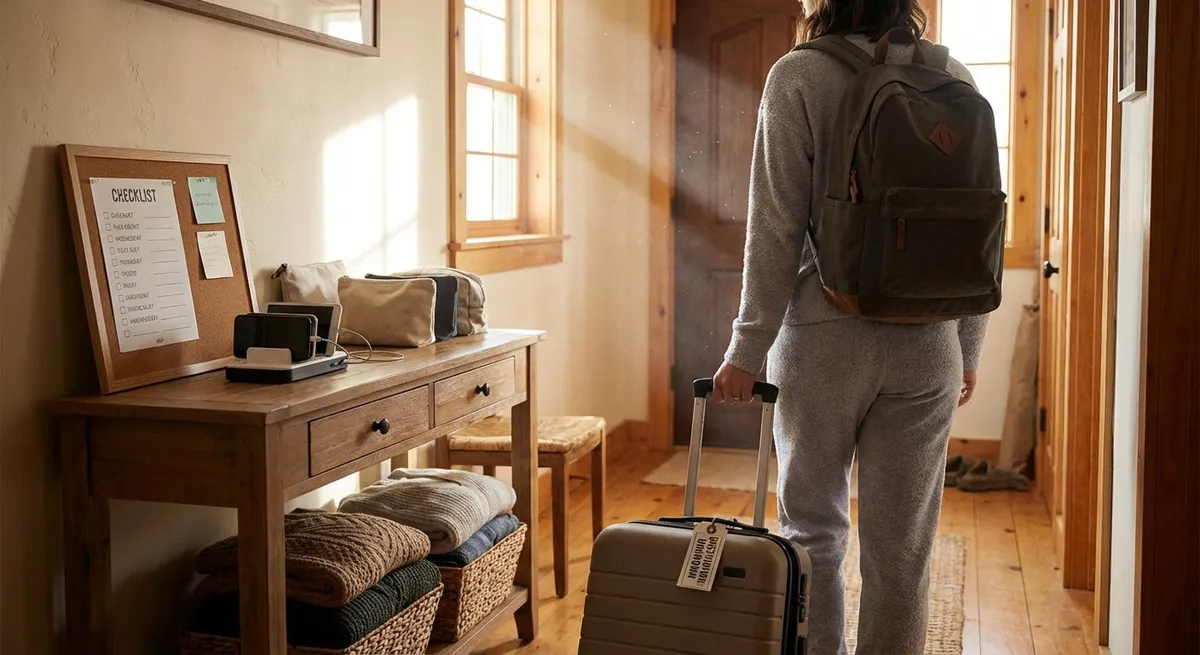
Build a “Travel Drawer” So You’re Always Half Packed
Imagine deciding to take a last-minute trip and realizing most of your gear is already ready to roll. That’s the power of a dedicated travel drawer, box, or small bin that never gets fully unpacked.
Stock it with items you only (or mostly) use on the road: travel-sized toiletries, extra phone charger, universal adapter, compact first-aid kit, refillable containers, eye mask, earplugs, collapsible tote bag, and a small laundry bag. When you return from a trip, immediately restock anything that’s running low and put it back in the drawer instead of scattering items around your home.
This simple system:
- Cuts your packing time dramatically
- Reduces the chance you forget essentials
- Keeps duplicates from spreading all over your house
- Makes spontaneous weekend getaways much more realistic
You’re not just packing a bag; you’re maintaining a ready-to-go travel “kit” that lives at home and travels with you.
Use a Single “Master Document” for Every Trip Detail
Instead of clicking through five confirmation emails at the airport, organize everything into one living document. Think of it as your trip command center.
Create a single file (Google Docs, Notion page, or a notes app) that includes:
- Flight numbers, departure/arrival times, and booking references
- Hotel or accommodation details with addresses and check-in info
- Transportation plans (train tickets, car rentals, rideshare pick-up spots)
- Key phone numbers (hotel, airline, local emergency number, card issuer)
- Reservation screenshots (tours, museums, restaurants)
Share this document with your travel companions so everyone stays informed. Download it for offline use or export as a PDF in case you lose signal. This master doc isn’t just handy during travel; it becomes a record you can reference later for recommendations and repeat visits.
The aim is simple: you should never have to dig through your inbox at a boarding gate, in a taxi, or standing outside a locked Airbnb.
Lock In “Home Base” Safety Before You Leave
A smoother trip starts with peace of mind about what you’re leaving behind. A handful of pre-departure safety habits can prevent headaches like leaks, break-ins, or surprise bills.
Run through a quick home safety checklist:
- Unplug non-essential electronics (kitchen appliances, TVs, chargers) to save energy and reduce fire risk
- Turn off water at the main valve if you’ll be gone for more than a few days and live in a freeze-prone area
- Set lights on timers or use smart bulbs to mimic your normal routine
- Stop or forward mail and packages, or ask a neighbor to collect them
- Double-check windows and less-used doors, not just the front entrance
Take photos of key areas (like closed windows, locked doors, and unplugged appliances) before you leave. If you get a worried thought mid-flight—“Did I lock the back door?”—you can simply check your camera roll.
You travel lighter when you’re not mentally replaying everything you think you forgot to do at home.
Test-Drive Your Luggage and Outfit in Real Life
Instead of finding out your backpack hurts after 30 minutes or your shoes blister your feet on day one, test your setup before you go.
A week or so before departure:
- Pack your bag exactly as you plan to travel
- Wear your intended “travel day” outfit, including shoes
- Go for a long walk—at least 30–45 minutes, including stairs if possible
Pay attention to pressure points: Does your bag dig into your shoulders? Is anything clanking around inside? Do shoes rub in annoying spots? Adjust now: add padding, rearrange contents, swap bags, or change shoes before your trip, not during.
You can also do a “hotel room simulation” at home: lay out your gear on the bed as if it were a small hotel room. Can you quickly find your passport? Is your tech gear easy to separate for security checks? These dry runs reveal small annoyances before they have a chance to bother you in another country.
Pre-Plan “Day-One Essentials” So You Don’t Arrive Exhausted and Stuck
The first day of any trip can make or break your energy for the rest of the journey. Instead of leaving it to chance, script a minimalist, low-stress arrival plan you can follow even when you’re tired and jet-lagged.
Before you leave, decide:
- How you’re getting from the airport/station to your accommodation (and a backup option)
- Where you’ll get cash or how you’ll pay on arrival (contactless card, ATM location)
- One simple meal option near your stay (grocery store, café, or takeaway spot)
- A light, easy activity for the first afternoon/evening (short walk, local park, viewpoint)
Write this in your master document, and keep it simple enough that “you on 3 hours of sleep” can handle it. You’re not trying to see everything—just to land gently, get comfortable with your surroundings, and reset your body clock.
This approach turns arrival day from a stressful scramble into a slow glide-in, so you wake up on day two genuinely ready to explore.
Conclusion
Travel feels easier and more joyful when the groundwork is done before you ever touch your suitcase zippers. By setting up a travel drawer, organizing a single master document, securing your home, test-driving your gear, and scripting a gentle first day, you’re not just hacking travel—you’re redesigning the entire experience to be calmer and more intentional.
Future-you at the airport, breezing through check-in with everything under control, will be seriously grateful.
Sources
- Transportation Security Administration (TSA) – Travel Tips - Official guidance on preparing for security screening and what you can bring
- U.S. Department of State – Traveler’s Checklist - Comprehensive pre-trip preparation advice, including documents and safety
- Federal Emergency Management Agency (FEMA) – Before You Travel - Recommendations for securing your home and staying safe while traveling
- Harvard Health Publishing – Coping with Jet Lag - Evidence-based strategies for managing jet lag that inform planning first-day activities
- Consumer Financial Protection Bureau (CFPB) – Traveling with Your Credit Cards - Guidance on financial readiness and payment methods while abroad
Key Takeaway
The most important thing to remember from this article is that this information can change how you think about Travel Hacks.