Travel doesn’t have to be expensive—it has to be intentional. Once you stop planning like a tourist and start thinking like a local problem‑solver, your trip costs can drop fast without sacrificing the fun. This guide is all about smart, lesser-known moves that stretch your cash while actually making your travels more interesting.
Below are five practical, real-world tips you can start using on your very next trip.
Rethink “Accommodation”: Sleep Cheap Without Sacrificing Comfort
Hotels are just one (often pricey) way to sleep. If you’re willing to be flexible, you can cut your nightly costs dramatically and sometimes get a richer experience at the same time.
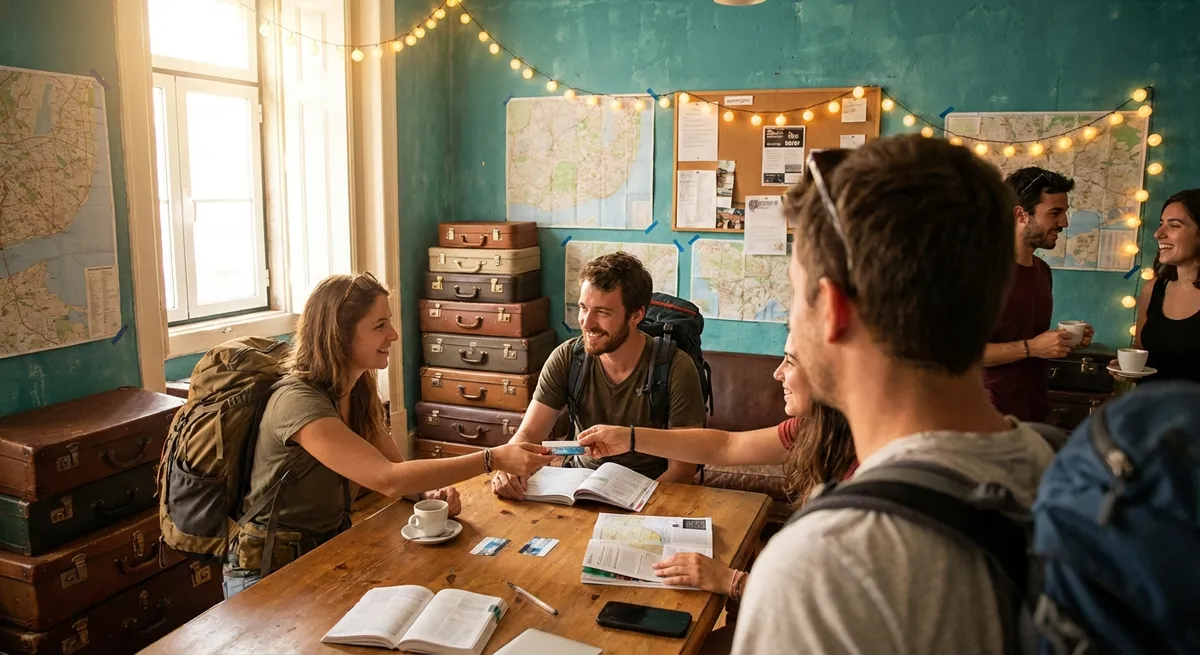
Hostels today aren’t just for backpackers; many offer private rooms, coworking spaces, and community events. Guesthouses and family-run B&Bs often include breakfast and local tips that guidebooks miss. In some places, university dorms rent empty rooms during summer, giving you a central location at a fraction of hotel prices.
House-sitting and pet-sitting platforms let you stay in a full home for free in exchange for looking after a place or a pet. In rural areas or small towns, farm stays and homestays can bundle accommodation, food, and activities (like cooking classes or tours) into one budget-friendly rate.
Practical tip: Decide your “non‑negotiables” (private bathroom, central location, quiet at night) and filter alternatives around those rather than defaulting to hotels. That mindset shift alone can unlock huge savings.
Use “Local Logic” for Food: Eat Well, Spend Less
Your food budget can quietly drain your funds or be one of your biggest money-savers. The key is to eat where and how locals do—without feeling like you’re missing out.
Skip restaurant-heavy tourist streets and walk a few blocks into residential areas to find smaller, family-run spots and bakeries. Look for short menus, handwritten boards, and plenty of local customers—those usually signal fresh, affordable food. Lunch specials are often cheaper than dinner, so consider making lunch your main meal and going lighter in the evening.
Street food, when it’s busy and freshly cooked, can be one of the safest and most cost-effective ways to eat. Markets are also your friend: buy fruit, bread, cheese, and snacks there and build simple, delicious meals. If your accommodation has a kitchenette or shared kitchen, cook a few meals yourself—especially breakfast.
Practical tip: Set a daily food budget before you arrive, then plan one “splurge” meal every few days. You’ll enjoy that standout experience more, and keeping an eye on your average spend helps prevent surprise costs.
Treat Transport Like a Puzzle, Not an Afterthought
Transport is one of the easiest areas to overspend simply because it seems complicated. A bit of strategy can slash your costs while still keeping your days flexible and fun.
Within cities, prioritize walking and public transit. Tourist passes and city cards often bundle unlimited transit with museum access, which can be a huge win if you actually use the included perks. When planning your route between cities, compare buses, regional trains, rideshares, and low‑cost airlines—but remember to factor in extra fees, airport transfers, and travel time to your calculations, not just ticket price.
Overnight buses or trains can save you the cost of one night’s accommodation and maximize your sightseeing time. In some destinations, shared taxis or minivans used by locals are much cheaper than private transfers. If you’re traveling with others, splitting the cost of car rentals or rides can suddenly make them competitive with solo tickets.
Practical tip: Before you book anything, map your key stops and ask: “What’s the cheapest way to connect these, and what’s the smartest day to move?” Shifting a travel day by 24 hours can dramatically lower ticket prices.
Plan Around Free Experiences First, Then Fill the Gaps
Many travelers do the opposite: they book one or two big-ticket attractions and then accidentally fill the rest of the time (and budget) with impulse spending. Flipping that order is a powerful budget move.
Most cities have a surprising number of free or very low-cost experiences: parks, viewpoints, local neighborhoods, public beaches, walking routes, open-air markets, free museum days, and community events. Start your planning by listing these first. Then, choose a handful of paid experiences that are truly meaningful to you (not just “things people say you should do”).
Walking tours—often tip-based—are a smart way to get oriented and hear local stories without committing a lot of money upfront. Many museums and attractions have reduced or free entry at certain times or days, so check their official websites before you go. If you want to do multiple sights, city passes can bundle discounts and help you stay on budget, as long as you plan to use enough of what they include.
Practical tip: Draft a loose “anchor plan” of free or cheap activities for each day, then plug in one or two paid experiences across your whole trip. This keeps your days full and interesting without your budget creeping up unexpectedly.
Use Tech Intentionally: Apps That Actually Save You Money
Your phone can be a budget killer—or your best money-saving tool—depending on how you use it. A curated set of apps and digital habits makes a big difference.
Offline maps and translation apps help you navigate without expensive roaming charges or getting lost and defaulting to pricey taxis. Public transit and bike-share apps show you the cheapest routes across cities. Accommodation and flight search tools with flexible date filters can reveal dramatically cheaper options if you shift your stay by a day or two.
Digital banking apps with low foreign transaction fees or no-fee ATM access keep you from losing money to unnecessary bank charges. Restaurant review apps and local forums (like city-specific subreddits) can point you away from tourist traps and toward better-value spots. And price-tracking tools for flights or trains let you set alerts instead of booking impulsively.
Practical tip: Before your trip, make a “money-smart home screen” on your phone with only travel, finance, and navigation apps you’ll use abroad. Keeping them easy to access nudges you to choose the cheaper, smarter option in the moment.
Conclusion
Budget travel isn’t about saying “no” to everything—it’s about deciding where you actually want to say “yes” and then building your trip around those priorities. When you treat accommodation, food, transport, and activities as levers you can adjust (instead of fixed costs), you get control over both your spending and your experience.
Start small on your next trip: swap one hotel night for a hostel or guesthouse, plan one day entirely around free experiences, or use public transit instead of taxis. Those little experiments quickly add up to big savings—and often, your most memorable stories.
Sources
- U.S. Department of State – Travel Resources - Official guidance on preparing for international travel, including money, documents, and safety
- Rick Steves Europe – Budget Travel Tips - Practical advice on handling money, transportation, and daily costs while traveling
- Lonely Planet – How to Travel on a Budget - Overview of global budget travel strategies and destination-specific savings ideas
- European Commission – Your Europe: Passenger Rights - Information on transportation rights within Europe, helpful when comparing and booking cheaper routes
- Consumer Financial Protection Bureau – Tips for International Money Use - Guidance on using cards and cash abroad while minimizing fees and unexpected charges
Key Takeaway
The most important thing to remember from this article is that this information can change how you think about Budget Travel.