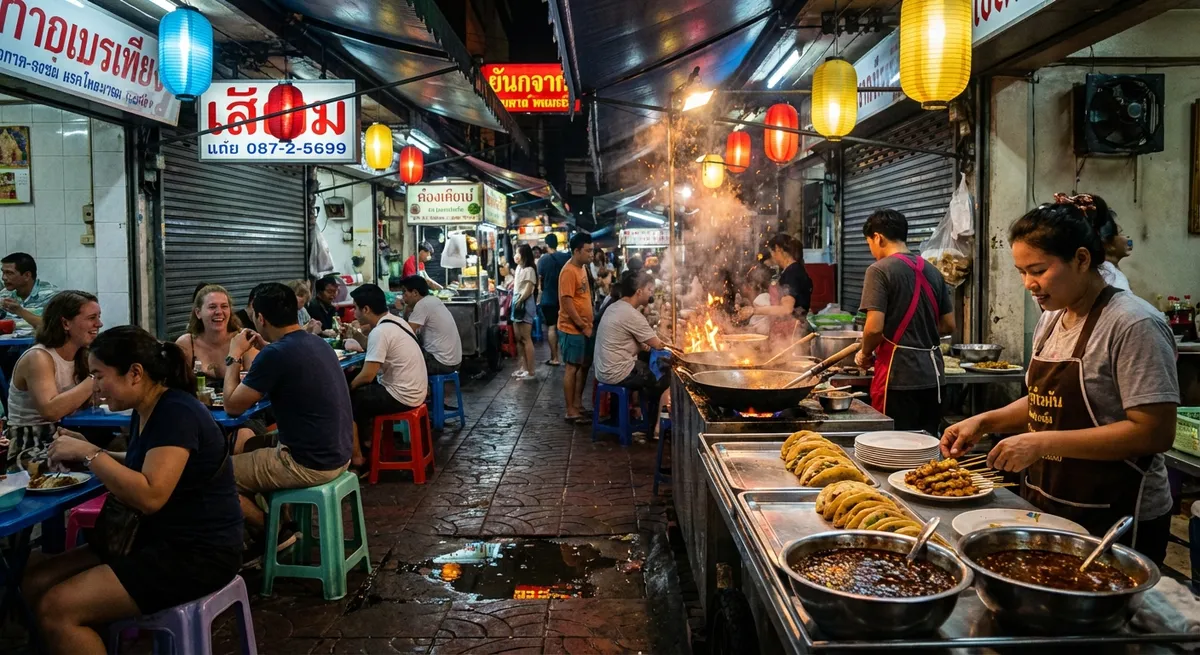
Some trips are about museums and monuments. Others are about that one perfect bite from a sizzling pan on a side street you never would have found without asking a local. Street food cities turn travel into a full‑sensory adventure: fragrant steam clouds, clattering woks, handwritten menus, and dishes that tell you more about a place than any guidebook ever could. This guide spotlights a handful of unforgettable street food destinations—and gives you practical, no‑nonsense tips so you can eat boldly, safely, and joyfully on your next trip.
Bangkok: Night Markets That Never Sleep
Bangkok feels like it was designed for hungry travelers. As evening falls, whole neighborhoods transform into open‑air dining rooms. In Yaowarat (Chinatown), neon lights flicker on as vendors line up with bowls of boat noodles, charcoal‑grilled satay, and mango sticky rice perched on blocks of ice. The air is heavy with lemongrass, chili, garlic, and charcoal smoke.
What makes Bangkok special isn’t just the variety—it’s how accessible everything is. You can graze your way down a street for the price of a single restaurant meal back home, trying bite‑sized skewers here, a bowl of tom yum there, a plastic cup of Thai iced tea to cool down the spice. Many stalls specialize in just one or two dishes they’ve perfected over decades, sometimes across generations. Lines are actually useful clues here; if locals are waiting, it’s usually worth joining.
For travelers, it’s easy to tailor your experience to your comfort level. Want things mild? Vendors are generally happy to dial back chili or leave condiments on the side. Need to avoid peanuts or shellfish? Learn a few key phrases or show allergy info written in Thai on your phone. Start with familiar staples like pad thai and work your way toward regional dishes you’ve never heard of before. Each bowl is a quick, low‑risk adventure.
Mexico City: Tacos, Tamales, and Sidewalk Rituals
In Mexico City, street food is woven into everyday life. You’ll see businesspeople in suits standing shoulder to shoulder with students, families, and taxi drivers at taco stands late into the night. Each cart has its own personality: some pride themselves on al pastor carved from spit‑roasted pork; others focus on suadero (tender, slow‑cooked beef), carnitas, or quesadillas stuffed with huitlacoche (corn fungus) or flor de calabaza (squash blossoms).
One of the joys here is discovering how many meals fit into a day. Early mornings start with tamales and atole (a warm corn‑based drink). Midday brings tlacoyos—oval corn cakes stuffed with beans or cheese—topped with fresh salsa and crumbled cheese. Evenings stretch on with tacos, elotes (grilled corn), and churros dipped in hot chocolate. The city is sprawling, and every neighborhood has its own specialties, from upscale Condesa stands to buzzing corners in Roma Norte or Coyoacán.
The social side of street food in Mexico City is part of the experience. Vendors love to share what they serve and how it’s made. Ask which salsa is spicy before you commit, and don’t be shy about ordering just one taco to try things out. You’ll quickly learn your stand “loyalties”—the taco place you’ll cross town for, the churro cart that’s always worth a detour, the tamale vendor you hope never moves.
Istanbul: Where Continents (and Flavors) Meet
Istanbul sits between Europe and Asia, and its street food feels like a living map of that geography. Ferries crossing the Bosphorus sell hot tea in tulip‑shaped glasses. On the waterfront, fishermen grill fresh mackerel and tuck it into bread with onion and lettuce, creating the simple but iconic balık ekmek (fish sandwich). Wander uphill and you’ll find simit sellers with sesame‑crusted bread rings stacked on trays, perfect for a quick breakfast with cheese.
Beyond the classics, Istanbul rewards curiosity. In busy districts like Karaköy and Kadıköy, look for stuffed mussels (midye dolma) eaten with a squeeze of lemon, or kokoreç—spiced, grilled offal chopped and served in bread. Street vendors ladle out lentil soups and pide (flatbreads) from small counters where you can stand and eat while watching trams and pedestrians stream by. Sharing a snack at one of these spots feels like plugging into the city’s daily rhythm.
Istanbul is also ideal for travelers who want flavor without too much heat. Many dishes rely more on herbs, acidity, and slow cooking than extreme spice, making them accessible to a wide range of palates. Vegetarian travelers can thrive here too, with stuffed vegetables, börek (filled pastries), and lentil‑based snacks in abundance. It’s a place where tasting your way down the street can feel both new and surprisingly comfortable.
Hoi An: Lanterns, Rivers, and Night Market Bites
Hoi An might be smaller than big‑city heavyweights, but it punches way above its weight in flavor. As lanterns glow along the Thu Bon River, the night market comes to life with sizzling griddles and woks. Stalls serve local specialties you won’t find in exactly the same form anywhere else: cao lầu (thick noodles with pork and herbs), white rose dumplings, and mi quang noodles topped with peanuts and crunchy rice crackers.
The town’s compact size makes it perfect for relaxed grazing. You can wander from stall to stall without long walks or complicated transit, pausing to sit on low plastic stools and watch the world go by. Many vendors proudly display their ingredients and cook right in front of you, which is both reassuring and mesmerizing to watch. There’s a slower, more intimate energy here compared to the overwhelming rush of bigger cities.
Hoi An is also a gentle introduction to Southeast Asian street food for first‑timers. Portions are small, prices are low, and vendors are used to guiding visitors through the menu. Don’t be surprised if someone recommends how to mix your own dipping sauce or shows you the “right” way to wrap herbs and greens with your noodles. Every stall becomes a mini cooking lesson—and a memory you’ll want to revisit.
Marrakech: Senses on Overload in the Medina
Marrakech’s medina is like a maze where every turn brings a new smell: wood smoke, orange blossoms, grilled meat, fresh bread. In Jemaa el‑Fnaa square, daylight snake charmers and storytellers gradually give way to rows of food stalls. Long communal tables appear, topped with dishes like tagines, skewers, grilled sardines, and bowls of harira soup.
But the magic of Marrakech food isn’t only in the main square. Venture into side streets and you’ll find carts selling msemen (layered flatbreads), sfenj (yeast doughnuts dusted with sugar), and fresh‑pressed orange juice. Bakeries bake bread in wood‑fired ovens for locals who drop off dough in the morning. Spice vendors scoop paprika, cumin, and ras el hanout into paper cones, scenting the air with warmth and smoke.
For travelers, Marrakech asks you to slow down and use all your senses. Look at how busy a stall is. Listen to the sizzle of meat on the grill. Smell spices blooming in oil as tagine lids are lifted. You might not always know exactly what you’re ordering, but that’s part of the adventure—as long as you follow a few simple safety and communication tips.
Five Practical Tips for Enjoying Street Food Anywhere
1. Follow the Crowd (and the Turnover)
A busy stall is usually a safer stall. High turnover means ingredients don’t sit around long, and vendors are constantly cooking fresh batches. Look for these signs before ordering:
- Locals are lining up, not just tourists.
- Food is cooked to order or kept hot, not lukewarm.
- Ingredients are covered or protected from dust and insects.
If a place looks good but empty, watch for a few minutes. If locals pass by without stopping while nearby stalls are buzzing, consider moving on.
2. Learn a Few Key Phrases (or Have Them Ready on Your Phone)
Knowing how to communicate basic needs makes eating local food easier and safer. Before you go, prepare:
- Phrases for allergies or restrictions (e.g., “no peanuts,” “no shellfish,” “I am vegetarian”).
- “Spicy / not spicy” or “a little spicy” in the local language.
- “Can I have one to try?” so you can sample without committing to a huge portion.
Keep these written on your phone or a small card you can show vendors. It’s a simple step that can save a lot of confusion.
3. Start with Cooked, Hot Foods If You’re Unsure
If your stomach is sensitive or you’ve just arrived in a new country, give yourself a day or two to adjust. In the beginning:
- Choose dishes that are cooked right in front of you and served piping hot.
- Go lighter on raw salads, unpeeled fruits, and ice in drinks until you see what your body tolerates.
- Consider drinking bottled or filtered water where tap water isn’t recommended.
Once you feel comfortable, you can gradually push your boundaries and explore more adventurous options.
4. Pace Yourself and Share Plates
Street food is made for grazing, not feasts at every stall. To try more without overdoing it:
- Share dishes with your travel partner or friends so you can taste more variety.
- Order small portions first; you can always go back for a second round.
- Plan your walking route with food in mind—snack, stroll, snack, repeat—rather than trying to eat everything in one stop.
This approach keeps you from getting overwhelmed and lets you enjoy the atmosphere between bites.
5. Use Maps and Reviews Wisely—but Stay Open to Serendipity
Online reviews and maps are great tools, but they’re not the whole story. To get the best of both worlds:
- Use ratings and food blogs to identify a few “anchor” spots in each neighborhood.
- Ask your hotel host, taxi driver, or tour guide where they personally eat, especially late at night.
- Wander a little off the main tourist streets and look at where locals cluster on their lunch break.
Your favorite meal might be at a famous stall—or at a nameless cart you stumble upon because the smell was too good to ignore.
Conclusion
Street food cities invite you to do more than just see a destination; they invite you to taste it, one small plate at a time. From Bangkok’s late‑night noodle stands to Mexico City’s taco corners, Istanbul’s simit sellers, Hoi An’s lantern‑lit markets, and Marrakech’s smoky squares, each bite tells a story about how people live, work, and celebrate.
With a little know‑how—choosing busy stalls, communicating clearly, easing into new flavors, sharing plates, and balancing research with spontaneity—you can turn meals into some of the most vivid memories of your trip. Pack your curiosity, an open mind, and maybe a little extra room in your schedule. The world’s best destinations are waiting, one street corner at a time.
Sources
- U.S. Department of State – Travel Advisories - Official guidance on safety conditions and health considerations by country
- Centers for Disease Control and Prevention – Travelers’ Health - Evidence‑based advice on food, water, and illness prevention while traveling
- Tourism Authority of Thailand – Bangkok Food & Markets - Overview of Bangkok’s street food culture and popular areas
- Mexico City Tourism – Gastronomy - Official descriptions of local dishes and food traditions in Mexico City
- UNESCO – Hoi An Ancient Town - Background on Hoi An’s cultural heritage and setting, which shapes its food scene
Key Takeaway
The most important thing to remember from this article is that this information can change how you think about Destinations.