Travel doesn’t have to be expensive or complicated to feel incredible. With a few smart, under-the-radar tweaks, you can turn an ordinary trip into a smoother, more comfortable experience that feels like a big upgrade—without paying business-class prices.
Below are five practical, traveler-tested hacks that quietly transform how you plan, move, and relax on the road.
Turn Your Phone Into a True Travel Command Center
Your phone can be more than a camera and map—it can run your entire trip if you set it up before you leave.
First, download offline maps for every city or region you’re visiting using Google Maps or similar apps. That way, you’re not stuck when Wi‑Fi disappears or roaming data gets pricey. Next, enable offline access for boarding passes, hotel reservations, and tickets in a wallet app or screenshot them into a dedicated album—airports and train stations are not where you want to depend on a shaky signal.
Create a “Travel” folder on your home screen with your airline app, accommodation app, translation app, and a currency converter, so everything is in one quick-swipe spot. Turn on “find my device” features and add emergency contacts with local numbers if possible. Finally, store digital copies of passport and ID in a secure cloud folder or password manager. This tiny bit of pre-trip prep turns your phone into a control center that keeps you calm when things get chaotic.
Outsmart Jet Lag Before You Even Board
Jet lag can sabotage the first few days of a trip—but you can blunt its impact with some strategic moves before you fly.
Start shifting your sleep schedule a day or two before departure, going to bed and waking up 60–90 minutes closer to your destination’s time zone. On long-haul flights, time your meals: eat closer to the mealtimes of your arrival city instead of defaulting to the airline schedule. Staying hydrated is a cliché because it works—aim to drink water consistently from the night before flying through to arrival, while minimizing alcohol and heavy caffeine, which can fragment sleep.
If possible, choose flights that land in the morning or midday, so you can stay active and get natural daylight exposure—sunlight is one of the strongest tools for resetting your internal clock. Pack a compact sleep kit (earplugs, eye mask, light scarf or neck pillow) so you can grab quality rest on the plane. These small shifts don’t eliminate jet lag, but they can turn a brutal adjustment into a manageable one.
Use “Soft” Planning to Stay Flexible and Save Money
Over-planning can lock you into rigid schedules and higher prices. Instead, use a “soft” planning approach: anchor a few key pieces, and leave intentional gaps.
Book the essentials early: your first and last nights’ accommodation, and any high-demand tickets (major museums, popular tours, or time-entry attractions). Then leave some days in the middle open with only a shortlist of options you’d like to do, not a minute-by-minute agenda. This lets you adjust based on weather, local recommendations, or unexpected discoveries.
Track prices for transport and activities with fare or deal alerts rather than booking everything at once—flexibility often unlocks better deals. Save locations in your map app (restaurants, viewpoints, parks, coffee shops) so if plans change, you already have a menu of nearby ideas. This “soft” planning style keeps a structure in place while giving you room to be spontaneous and respond to real-time opportunities.
Build a Mini Comfort Kit That Works Everywhere
A tiny, well-curated comfort kit can completely change how your travel days feel—on planes, trains, buses, and long walks around a new city.
Use a small pouch and fill it with a few high-impact items: a refillable water bottle, lip balm, hand sanitizer, wet wipes, a salty snack and a protein-based one, plus a compact power bank and charging cable. Add a lightweight scarf or buff that can double as a blanket, pillow cover, or sun protection, and a small pack of tissues (which are surprisingly useful in restrooms, on hikes, and during surprise spills).
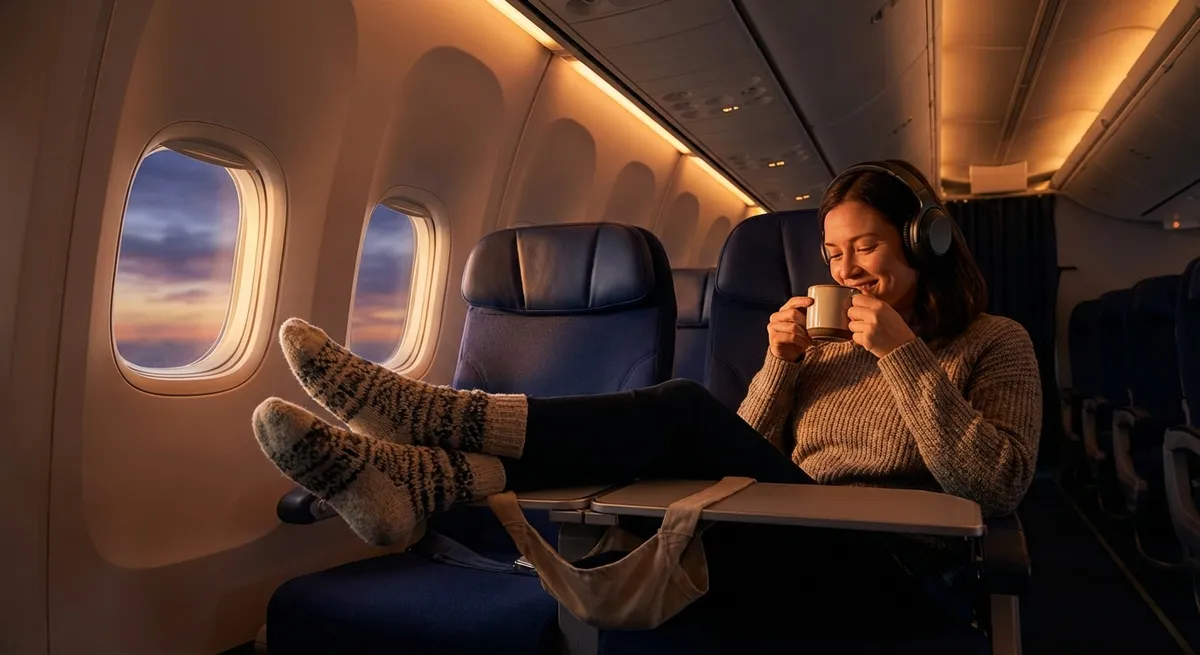
If you wear contacts or glasses, include a mini lens solution and wipes. For long-haul or overnight journeys, add earplugs and a soft eye mask. Keep this kit in your personal item under the seat, not in overhead storage—instant access is the whole point. Having your “comfort baseline” with you makes delays, long lines, and unexpected detours far less stressful.
Use Layered “What If” Backups to Avoid Travel Disasters
Things go wrong on the road—but you can make most problems annoying instead of trip-ending with a simple backup mindset.
Treat every critical element—money, IDs, and access—as something that needs at least two ways to work. Split your payment methods: carry one card in your wallet and another stored separately (like inside your toiletry bag or daypack). Keep a small amount of local cash and a bit of widely accepted currency like USD or EUR in a hidden spot. Turn on travel notifications for your cards and know how to freeze them quickly via app if needed.
For IDs, keep a photo of your passport and driver’s license in a secure cloud folder and, if you’re comfortable, in a password manager too. Write down (yes, on paper) your accommodation addresses, confirmation numbers, and a trusted contact back home; store this in your daypack in case your phone dies or gets lost. Finally, learn a couple of key phrases in the local language—“help,” “I lost my passport/card,” and “hospital” can make a huge difference. These small “what if” backups quietly turn potential crises into solvable problems.
Conclusion
Travel feels completely different when you’re not just going somewhere but moving through your trip with quiet confidence. By turning your phone into a true command center, softening the blow of jet lag, planning flexibly, carrying a simple comfort kit, and building smart backups, you give yourself a more relaxed, resilient travel experience.
None of these hacks require huge budgets or extreme minimalism—just a few thoughtful decisions before and during your journey. That’s where travel really upgrades: not only in where you go, but in how you move through every step of the adventure.
Sources
- U.S. Department of State – Travel Tips - Official guidance on documents, safety, and preparation before international trips
- Centers for Disease Control and Prevention – Travel Health - Up-to-date health advice, vaccination recommendations, and destination-specific guidance
- Mayo Clinic – Jet Lag Disorder - Medical overview of jet lag, with evidence-based strategies to reduce its impact
- Google Maps Help – Download Offline Maps - Official instructions for saving and using maps offline while traveling
- Consumer Financial Protection Bureau – Tips for Using Credit Cards Abroad - Practical advice on using cards securely when you travel internationally
Key Takeaway
The most important thing to remember from this article is that this information can change how you think about Travel Hacks.