If you’ve ever landed in a new city, opened Google Maps, and panic-picked the nearest “Top Rated!” restaurant, you’re not alone. But with food prices climbing and tourism booming, a lot of us are rethinking how we eat on the road. That’s exactly what’s happening inside professional kitchens right now too: chefs are under massive pressure, and a new wave of brutally honest “chef memes” and behind-the-scenes posts are going viral as cooks share what the job is really like.
Those memes—like the ones featured in the trending piece “26 Chef Memes That Describe What Working In A Kitchen Is Really Like”—are hilarious, but they also reveal something incredibly useful for travelers: how restaurants actually work. When you understand the game from the kitchen’s side, you can hack it from the traveler’s side.
Here’s how to use insider kitchen wisdom to eat smarter, cheaper, and better on your next trip—without being “that” tourist.
Use the “Line Cook Radar” to Find Authentic Food
One constant in those chef and line-cook memes: after a brutal shift in a fancy restaurant, most staff don’t go eat at the fancy restaurant next door. They head to low-key spots that serve fast, tasty, consistent food—often run by other hospitality workers.
As a traveler, you can piggyback on that insider radar. Skip the “must-try” place with laminated English menus and a host waving you in. Instead, look for where service staff, cooks, and barbacks are actually eating on their breaks or after work. Around restaurant closing time (usually 10–11 p.m.), walk a couple of blocks away from the main tourist drag. You’ll often find worker-friendly spots with no-frills interiors, shorter menus, and local crowds. Pro move: ask your server or bartender at dinner, “Where do you and the other staff really eat on your nights off?” Workers rarely send you somewhere bad—they don’t waste their rare time off. Screenshot the names they mention, and you’ve got an instant, local-approved food map for your stay.
Order Like a Regular: The “Kitchen Stress Test” Hack
Those chef memes about weeds, tickets, and chaos? They’re not exaggerating. During peak service, kitchens are slammed, and that’s when quality can slip—especially on complicated dishes. Use that knowledge when you order.
When you hit a busy restaurant (full tables, host stand backed up, servers flying around), don’t choose the most Instagrammable thing. Choose the dish that kitchens are built to crank out all night. That’s usually a signature item that appears on lots of tables: the house pasta, the grilled fish, the rotating curry, the one sandwich everyone seems to have. These dishes have tight systems behind them: prep is dialed in, timing is practiced, and ingredients move fast (so they’re fresher). Also, avoid heavy customization when a place is slammed—every “sauce on the side, extra hot, no onions, gluten-free but also crispy” request is more chances for mistakes and slower food. Travel hack: if you’ve only got one meal in that city, go early (right when they open or at the tail end of lunch). You’ll get a calmer kitchen and servers who have time to chat and share local recs.
Beat “Tourist Pricing” with the Staff-Meal Mindset
A common joke in those kitchen memes: staff meals are wildly better than what staff can actually afford to buy on their wages. The principle behind staff meal, though, is something you can borrow: simplicity, seasonality, and using what’s already around.
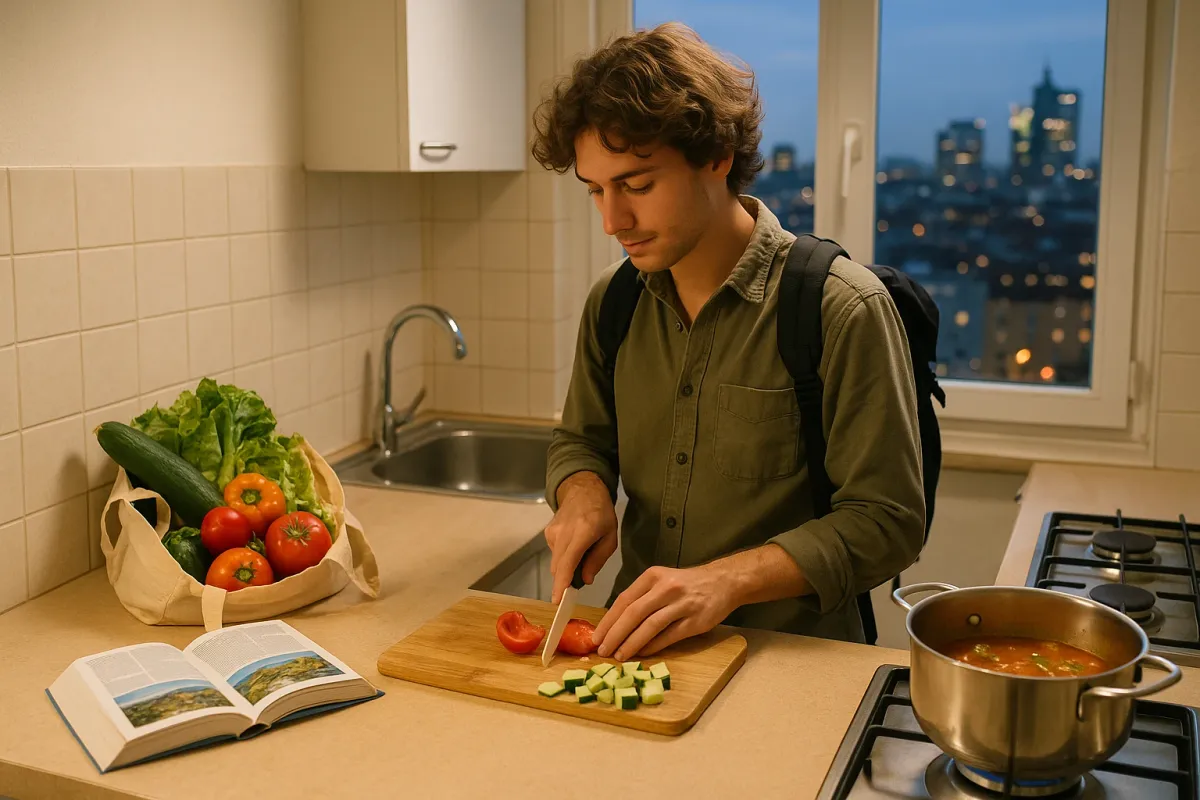
Instead of eating every meal out, especially in pricey cities, act like your own staff chef. Book accommodations with at least a mini-fridge and basic kitchenette if you can. On day one, hit a local market or supermarket—often where actual kitchen staff shop for off-duty food. Grab breakfast basics (yogurt, fruit, local bread, cheese, eggs) and a few no-cook picnic items (cold cuts, olives, tomatoes, nuts). Then build your day like a restaurant schedule: one “hero” meal out (usually lunch, which is cheaper than dinner but often just as good) and DIY for breakfast and a light evening snack. You’ll eat more like a local, and you can redirect that budget into one truly special restaurant experience instead of three forgettable ones. Bonus: markets are incredible cultural experiences on their own—watch how and what people buy, and you’ll learn more than you would from any guidebook paragraph.
Time Your Meals Like a Pro Chef, Not a Tourist
Scroll through any “real kitchen life” meme thread and you’ll see a pattern: chefs almost never sit down to eat at normal times. They pick off the line between rushes, or they eat late, after service. That’s because they know exactly when restaurants are at their worst: peak hours.
As a traveler, shift your eating schedule away from the crowds, especially in major destinations. If locals lunch between 1–3 p.m., aim for 11:30 a.m. or 3:30 p.m. Dinner? Go right when they open or later in the evening (if that fits local culture—don’t be the only person in a Spanish restaurant at 6 p.m. wondering why it’s empty). Off-peak dining gives you better chances of walk-in tables at in-demand spots, less rushed service, and a calmer kitchen. It can also be a safety and comfort hack: if you’re nervous about wandering around late at night in an unfamiliar city, make lunch your “big” restaurant experience and keep dinners closer to where you’re staying. And if you’re dealing with jet lag, leaning into odd meal times can help you reset your internal clock while also dodging lines.
Use Kitchen Prep Logic to Pack Smarter Snacks
Those memes about nonstop chopping, labeling, and prepping mountains of food before service? That’s “mise en place”—having everything ready so service runs smoothly. You can use that exact logic on travel days, especially for flights and long train rides when you’re tempted by overpriced, underwhelming airport food.
The day before you move cities, treat your hotel room like a mini prep kitchen. Lay out what you’ll need for the travel window (door-to-door, not just flight time): think quick protein (nuts, jerky, string cheese), fresh items that can survive a few hours (apples, carrots, cherry tomatoes), and something comforting but not messy (small chocolate bars, crackers, granola). Portion these into small reusable bags or containers, just like a cook lining up ingredients in front of their station. You’re less likely to overspend on random snacks when you already have your “line” set up in your bag. This also lets you skip long airport queues and be more flexible with last-minute gate changes or delays. Bonus hack: bring a compact, collapsible container and light seasoning (tiny salt/pepper), and you can turn leftover hotel breakfast into a surprisingly decent takeaway bowl.
Conclusion
The viral chef memes blowing up your feed aren’t just comedy—they’re a window into how restaurants really work. When you understand the pressures, rhythms, and habits inside a kitchen, you can flip that knowledge into powerful travel hacks: finding spots where staff actually eat, ordering what the kitchen does best, shopping like locals, shifting your meal times, and prepping food like a line cook.
Next time you plan a trip, think less like a hungry tourist and more like an off-duty chef. Your wallet, your stomach, and your travel stories will all be better for it—and you might even find yourself laughing along with those “working in a kitchen” posts in a whole new way.
Key Takeaway
The most important thing to remember from this article is that this information can change how you think about Travel Hacks.