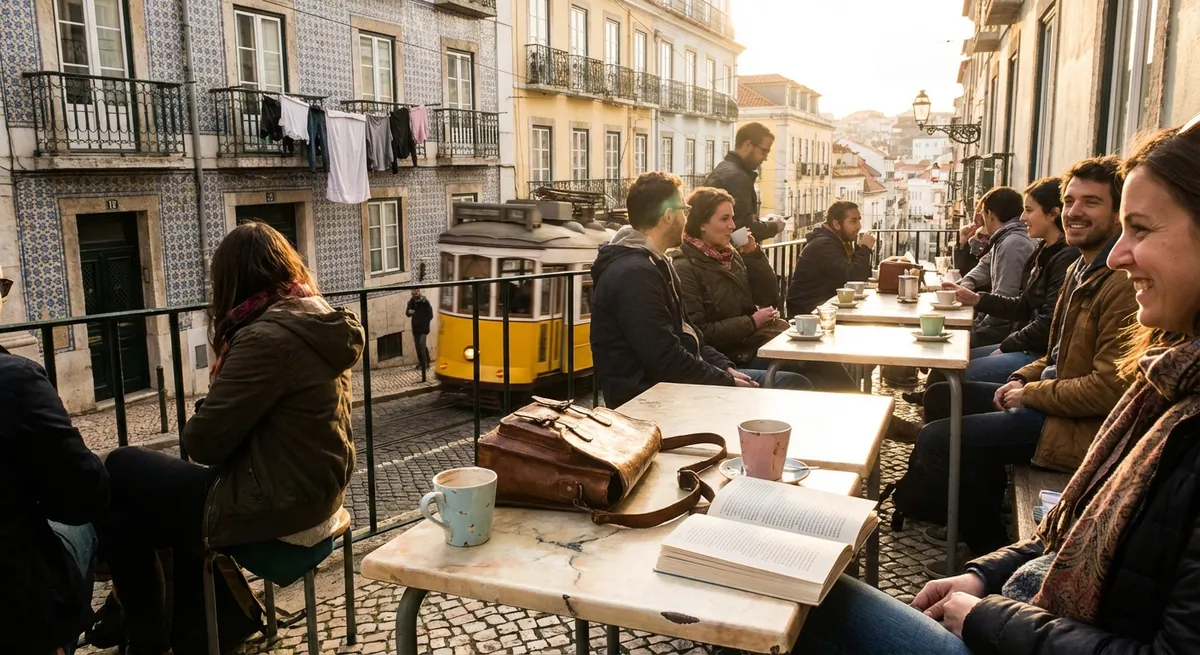
Some cities are built for speed: hit the major sights, grab a selfie, and move on. Others reward you for slowing down, unpacking your bag, and letting days stretch into a rhythm of cafés, walks, and small discoveries. These are slow‑travel cities—places where staying a week (or more) feels natural, not like you’re killing time.
This guide explores how to spot those cities, a few inspiring examples around the world, and five practical tips to help you build a trip that feels less rushed and more rooted—without losing the excitement of being somewhere new.
What Makes a City Perfect for Slow Travel?
Not every destination works well as a long-stay base. Some shine in a quick burst; others reveal themselves gradually. Slow‑travel cities tend to share a handful of traits that make them comfortable, affordable, and deeply rewarding when you linger.
They usually have walkable neighborhoods where daily life unfolds in parks, markets, and local shops, not just around tourist attractions. Public transport is dependable enough that you can explore without renting a car, and there’s a mix of cafés, co‑working spaces, and green areas where you can settle in with a book or your laptop. The pace tends to be relaxed—think people lingering over coffee instead of rushing with takeaway cups—and there are small cultural experiences (like neighborhood festivals or weekly markets) alongside the big-ticket sights. Crucially, these cities often have reasonably priced apartments or guesthouses outside the city center, so longer stays don’t crush your budget. Put together, those elements shift your mindset from “must see everything now” to “I can come back tomorrow.”
Global Slow-Travel Stars to Put on Your Radar
You can find slow‑friendly cities on every continent, from coastal hubs to mountain capitals. They may already be popular, but what makes them stand out is how comfortably you can slip into everyday life once the initial sightseeing is done.
In Europe, cities like Lisbon and Porto balance scenic viewpoints and historic districts with local markets, neighborhood bakeries, and easy day trips along the coast or into wine regions. In Central and Eastern Europe, places such as Ljubljana or Tbilisi pair old‑town charm with creative food scenes and access to outdoor escapes within an hour or two. In Asia, Chiang Mai has become a long‑stay favorite thanks to its temples, night markets, and cafés that welcome lingering, while cities like Da Nang or Hoi An (Vietnam) blend beachy downtime with lantern‑lit streets and riverside walks. In the Americas, Medellín’s mild climate and growing public transport network make it a comfortable base, while Mexico City offers endless museums, parks, and foodie neighborhoods that easily fill a multi‑week stay. These destinations all share one thing: they give you enough layers that every extra day feels like adding depth, not repetition.
Practical Tip #1: Choose a “Home Neighborhood,” Not Just a City
Instead of asking “Which city should I visit?” ask “Which neighborhood would I want to live in for a bit?” That shift makes a huge difference in how your trip feels day to day.
Before you book, research districts the way you’d research places to live: where do families shop, where do students hang out, and which areas are known for being safe and walkable? Look for neighborhoods with a grocery store, at least one park, cafés with Wi‑Fi, and a local market or bakery within a 10–15 minute walk. These signals usually mean you can run small daily errands on foot and build mini‑routines—morning coffee at the same spot, evening walks on the same streets. If possible, pick accommodation close to a public transit stop so you can reach the city center easily without always relying on rideshares. Once you arrive, commit to getting to know “your” block: learn the barista’s name, figure out when the bakery sells out of your favorite pastry, and walk alternate routes home to discover corners you’d miss in a short stay.
Practical Tip #2: Rebuild Your Days Around Local Rhythms
Slow travel lands differently when your schedule matches the city’s natural rhythm instead of forcing your normal timetable onto a new place.
Pay attention to when streets feel busiest, when cafés fill up, and when parks are lively; then build your days around those patterns. In Southern Europe, for example, afternoons can be quiet and hot, while evenings stretch late with outdoor dining—so planning a long midday break and later dinner fits better than trying to eat at 5 p.m. In early‑opening cities, you might explore parks or markets at dawn and spend the heat of the day in museums or shaded courtyards. Let local mealtimes guide you to when restaurants are at their best, and check for weekly routines too—like farmers’ markets on Saturdays or museum free‑entry days midweek. By syncing your activities with these rhythms, you experience a more authentic version of the city and naturally slow down, because you’re not trying to fight the local flow.
Practical Tip #3: Plan Fewer “Big Sights” and More Repeatable Habits
One of the most effective ways to make a slow‑travel city feel special is to deliberately under‑plan your major sightseeing and over‑plan tiny, repeatable habits.
Instead of filling every day with different attractions, pick a few headline sights you truly care about and spread them out over your stay. Then, create a couple of small rituals: jogging the same riverside path each morning, getting a pastry from the same stall, or reading in the same park after lunch. These habits give your days an anchor, so even when plans change, you have a familiar touchpoint. They also make travel less exhausting—you don’t have to constantly decide “What next?” because you already know what a good day roughly looks like. Leave intentional blank space in your schedule as well. When someone recommends a local gallery, a neighborhood bar, or a sunset viewpoint, you’ll have time to say yes instead of slotting it into an overstuffed itinerary.
Practical Tip #4: Use Public Transport Like a Local, Not a Tourist
Slow‑travel cities are usually tied together by bus, tram, metro, or suburban train networks that locals rely on every day. Learning to use them confidently unlocks whole new layers of the city.
Start by picking up a transport pass if the city offers daily or weekly options; these often work out cheaper than individual tickets and free you from constantly doing fare math. Download the official transit app (or a reliable map app that works well offline) before you arrive so you can plan routes even without data. Choose a couple of “anchor” stations or hubs near your accommodation and main attractions—once you know these by heart, the network feels less intimidating. Use public transport not just to reach tourist spots but to explore local neighborhoods, food courts, and parks at the end of the line. Riding at non‑peak times can also turn the journey itself into a calm, people‑watching window into everyday life, which is exactly what slow travel is about.
Practical Tip #5: Mix Work, Rest, and Exploration Intentionally
Even if you’re not a digital nomad, building work‑style focus blocks and rest time into your trip can make longer stays sustainable and surprisingly productive.
Treat some mornings or afternoons as “work sessions” for planning, journaling, catching up on emails, or editing photos in a café or co‑working space. This helps you stay ahead of logistics—booking onward travel, double‑checking visas or entry rules, reserving popular restaurants—and keeps mental clutter from building up. Schedule full rest windows too, when your only goal is to nap, read, or enjoy a slow meal. Then choose a smaller number of “exploration sessions” each week where you tackle a new neighborhood, museum, or hike with energy and curiosity. By consciously mixing these modes instead of trying to “go hard” every day, you avoid travel burnout and give yourself space to actually process what you’re experiencing, making the city feel more like a temporary home than a checklist.
Conclusion
Slow‑travel cities invite you to trade urgency for curiosity: fewer rushed must‑dos, more everyday moments that stick with you long after you’ve flown home. By choosing a neighborhood that fits your lifestyle, leaning into local rhythms, building small rituals, understanding public transport, and consciously mixing rest with exploration, you can turn almost any well‑connected, livable city into a place that feels like yours.
Whether you’re dreaming of a month in a café‑lined European capital or a couple of unhurried weeks in a laid‑back Asian hub, designing your trip around staying longer—rather than seeing more—can transform the way you travel. The reward isn’t just better memories; it’s a calmer, more confident version of you, ready for the next destination that invites you to linger.
Sources
- UNWTO – International Tourism Highlights – Global tourism data and trends that help explain why urban destinations and longer stays are growing in popularity
- OECD – Rethinking Urban Tourism – Analysis of how cities can balance visitors and liveability, with examples of transport and neighborhood planning
- Visit Lisboa – Neighborhood Guides – Official city tourism site showcasing how different districts offer distinct local experiences
- Tourism Authority of Thailand – Chiang Mai Travel Information – Background on Chiang Mai’s attractions, culture, and why it works well for longer visits
- Mexico City Government – Official Tourism Site – Practical information on neighborhoods, transport, and cultural events that support planning a longer urban stay
Key Takeaway
The most important thing to remember from this article is that this information can change how you think about Destinations.