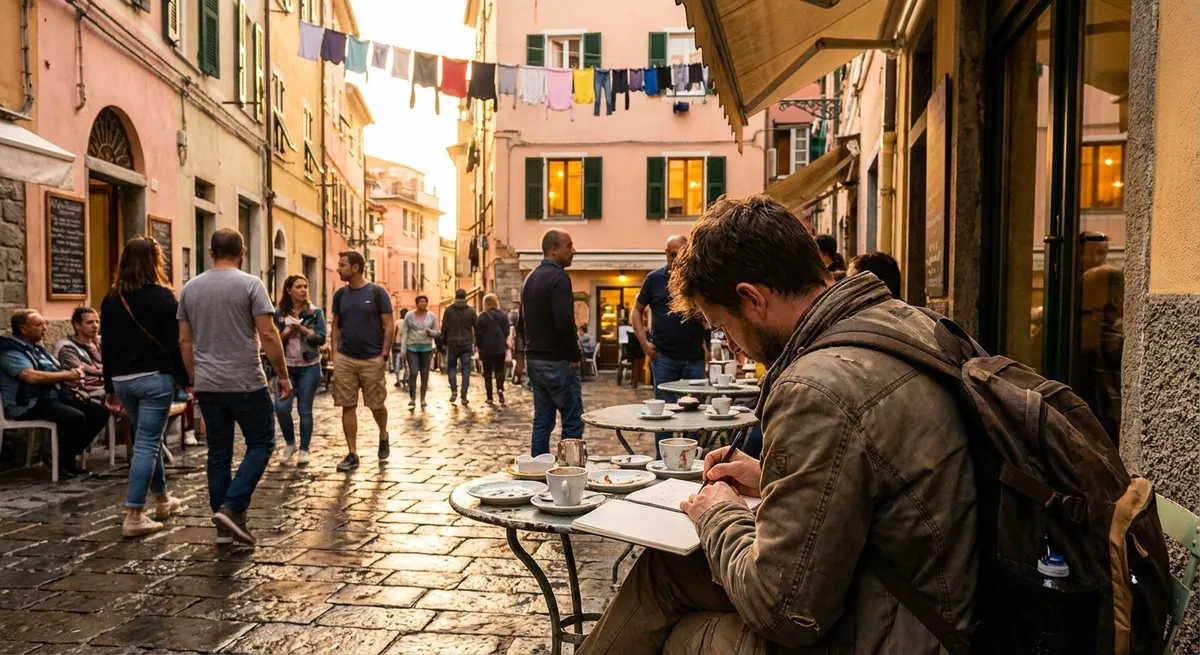
There’s a special kind of magic that shows up when you stop trying to “do” a city in 48 hours and actually live in it for a while. Slow travel isn’t about squeezing in more sights—it’s about trading checklists for genuine connection. If you’ve ever wished you could feel like a local without actually moving abroad, these slow-travel-friendly cities are your perfect launchpad.
Why Some Cities Are Made for Slow Travel
Not every destination shines when you rush, and not every city rewards long stays in the same way. Slow-travel cities have a few things in common: walkable neighborhoods, strong public transit, everyday rituals you can tap into (markets, cafés, parks), and enough cultural texture that “ordinary” days still feel rich.
Think about what you want from a longer stay. Maybe it’s a café where the barista starts to recognize your order, a morning run through the same park, or a weekly market where you buy your fruit from the same vendor. Cities like Lisbon, Kyoto, Montreal, and Oaxaca are tailor-made for this rhythm—big enough to stay interesting, small enough that you’re not spending life on a metro platform. When you choose places like these, it becomes easy to build routines, notice small details, and absorb the energy of a place instead of just skimming the surface.
Destination Spotlight: Lisbon, Portugal
Lisbon feels like it’s permanently in golden hour. The city is hilly and historic, but it moves at a surprisingly gentle pace if you stay longer than a long weekend. Streetcars rattle past tiled facades, neighborhood miradouros (viewpoints) fill up at sunset, and you start to understand why locals linger over coffee instead of grabbing it to go.
Base yourself in neighborhoods like Graça, Campo de Ourique, or Estrela for a more residential feel and easier access to daily life—local bakeries, markets, and small restaurants. Lisbon is extremely walkable and well-connected by trams, buses, and metro, so you can skip the constant rideshares. Over a longer stay, you can dive deeper into areas like Alcântara’s LX Factory, riverside paths in Belém, or day trips to places like Cascais and Sintra without feeling rushed. The gift of slow travel here is that you’ll notice the city changing with the time of day: early-morning quiet on cobbled streets, late-night mirth spilling out of tiny bars in Bairro Alto, and everything in between.
Practical tip 1: Build “anchor rituals” into your days.
Choose one or two simple routines you repeat daily—a morning pastel de nata at the same café, a sunset walk to your nearest miradouro, or a midweek visit to Mercado da Ribeira to pick up picnic ingredients. These anchors give structure to long stays and help you track your experience not by attractions checked off, but by rhythms you grow into.
Destination Spotlight: Kyoto, Japan
Kyoto rewards patience more than any checklist ever could. At first glance, it’s a blend of shrines, temples, and tea houses—but once you stay beyond a few days, the city’s quieter patterns emerge. Early-morning visits to Fushimi Inari feel entirely different from mid-day crowds; evenings in Pontocho Alley are calmer if you know where to slip into a side street; small neighborhood shrines become familiar landmarks on your daily walk.
Base yourself outside the absolute center—neighborhoods like Nishijin or near Demachiyanagi are residential, well-connected, and rich in small businesses. Renting a bike opens up the city, letting you move slowly along the Kamogawa River, pause at local bakeries, and discover temples that never make the guidebooks. Over a longer stay, you can time visits around local festivals, try different styles of cuisine beyond sushi and ramen (like kaiseki and obanzai), and learn enough basic Japanese phrases that interactions become warmer and more personal.
Practical tip 2: Learn and use a few local phrases every day.
Memorize simple expressions—hello, thank you, excuse me, please, and “this is delicious”—and actually use them frequently. In Kyoto (and many slow-travel cities), you’ll often return to the same shops and cafés; your effort, however imperfect, usually leads to better service, more smiles, and sometimes unexpected local recommendations.
Destination Spotlight: Montreal, Canada
Montreal feels like a blend of Europe and North America, but the real charm shows up when you stay long enough to experience both its bilingual personality and its neighborhood vibe. In summer, parks become living rooms; in winter, underground passageways and cozy cafés take over. Slow travel here means watching how the city shifts with the weather and leaning into local habits instead of fighting them.
For longer stays, neighborhoods like Plateau-Mont-Royal, Mile End, and Verdun offer that “live here, don’t just visit” feel. You’ll have easy access to bakeries, bagel shops, bars, and independent boutiques, all linked by reliable public transit and bike paths. Sundays in Mount Royal Park feel like a weekly festival, and farmers’ markets like Jean-Talon or Atwater are ideal for travelers who want to cook some of their own meals. Stay a couple of weeks and you’ll find your favorite café for remote work, your go-to poutine spot, and a local bar where the staff starts to remember you.
Practical tip 3: Designate “no-sightseeing” days.
Intentionally set aside entire days where you’re not “doing” anything big. Use them to wander a single neighborhood, sit in parks, read in cafés, or linger at markets. These low-pressure days often end up being the most memorable because they leave room for spontaneous encounters, street performances, small galleries, and conversations you’d otherwise rush past.
Destination Spotlight: Oaxaca City, Mexico
Oaxaca City is a slow traveler’s dream: deeply rooted traditions, a world-famous food scene, and a compact, colorful center that invites walking at every hour. The city’s daily life revolves around markets, squares, and family-owned restaurants. When you stay longer than a few days, you start to recognize the same vendors, notice changes in the light on the pastel buildings, and see how different neighborhoods each hum at their own frequency.
Staying near the historic center gives you easy access to markets like Mercado Benito Juárez and Mercado 20 de Noviembre, while slightly quieter streets a bit farther out offer calmer nights. Slow travel here can include cooking classes, day trips to mezcal-producing villages, visits to artisan communities like Teotitlán del Valle, and plenty of unhurried time in plazas watching the world go by. The real joy is not just tasting Oaxaca’s famous food but understanding the people and traditions behind it.
Practical tip 4: Join a recurring local activity instead of a one-off tour.
Look for weekly language exchanges, yoga classes, cooking workshops, volunteer opportunities, or art courses rather than just stacking guided tours. A recurring activity gives you a community touchpoint—you’ll see the same faces, get local context, and receive personalized tips that most visitors never hear about.
How to Choose Your Own Slow-Travel City
Beyond these examples, there are dozens of cities where staying longer pays off: places like Valencia, Chiang Mai, Ljubljana, or Tbilisi. When evaluating whether a city will work well for slow travel, think beyond “Is this popular?” and instead ask: “Can I live here comfortably for a few weeks?”
Look for strong public transit or safe walkability, accessible grocery stores and markets, a range of cafés and casual eateries, and a reputation for safety and friendliness. Check if there are coworking spaces or libraries if you work remotely, and whether there are parks or green spaces you can fold into your daily routine. Search for local event calendars, community groups, and cultural centers—as these are clues that you’ll have more to do than just hop between major landmarks. Above all, choose a place whose everyday life actually appeals to you, not just its famous attractions.
Practical tip 5: Book flexible, medium-length stays in one neighborhood at a time.
Instead of hopping between three hotels in one city, commit to a single neighborhood for at least a week or two. Find accommodation with a kitchen or kitchenette, reliable Wi‑Fi, and easy access to groceries and transit. Opt for flexible bookings when possible, so you can extend your stay if you fall in love with the area. This approach lets you find “your” bakery, “your” park bench, and “your” corner store—small but powerful ingredients of feeling like you belong.
Conclusion
Slow travel cities invite you to trade urgency for depth. Lisbon’s views feel richer when you know which tram line you’re watching, Kyoto’s shrines are more meaningful when they’re part of your morning walk, Montreal’s parks become personal when you have a favorite tree, and Oaxaca’s markets transform as you get to know the people behind each stall. When you deliberately choose destinations that reward a longer stay—and build simple rituals, recurring activities, and low-pressure days into your plans—you unlock a kind of travel that keeps echoing long after you’ve flown home.
Sources
- Portugal Tourism Board – Visit Lisbon - Official overview of Lisbon’s neighborhoods, attractions, and experiences
- Kyoto City Official Travel Guide - Detailed information on Kyoto districts, transportation, and cultural etiquette
- Tourism Montreal – Official Site - Neighborhood guides, events, and practical tips for visitors planning longer stays
- Oaxaca State Tourism – Official Site - Information on Oaxaca City, markets, cultural events, and surrounding villages
- UNWTO – Understanding Tourism: Basic Glossary - Provides context and definitions around travel trends, including longer-stay and cultural tourism
Key Takeaway
The most important thing to remember from this article is that this information can change how you think about Destinations.