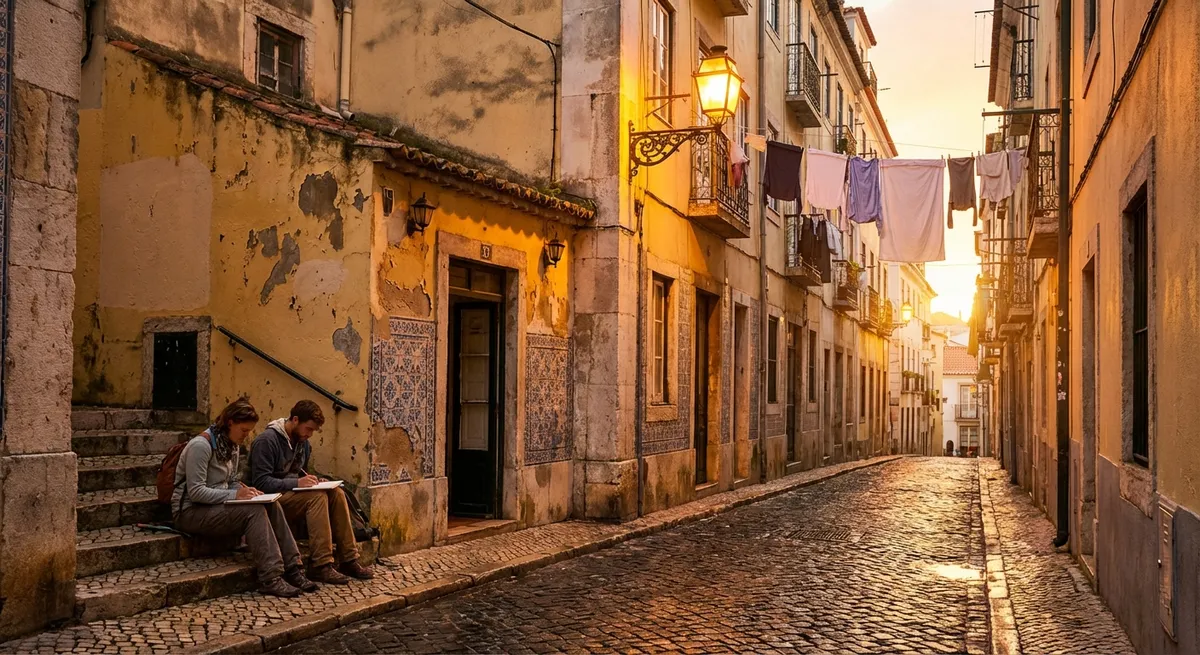
There’s a special kind of magic that only shows up when you stop racing through a destination and start actually living in it—even if it’s just for a few days. Beyond the must‑see sights and Instagram viewpoints, cities have layers of food, routine, and everyday beauty that most travelers never notice. This is your invitation to travel differently: not slower in miles, but slower in mindset. Let’s turn your next destination into a place you genuinely connect with, not just check off.
Rethink Your “Must-See” List
Instead of starting with a long checklist of attractions, start with themes. Ask yourself: do you want this trip to feel more like a food adventure, an architecture deep-dive, a coffeehouse crawl, a seaside reset, or a live-music immersion?
Once you’ve picked 1–2 themes, choose only a few anchor experiences—two “non‑negotiable” highlights per destination is often plenty. Then intentionally leave space in your schedule for wandering, sitting in parks, and exploring side streets off the main drag. Use the big sights as orientation points, not the entire purpose of your day.
This shift matters because cities are living, breathing places, not museums. When you prioritize your own interests over generic top‑10 lists, you’re more likely to come home with stories that feel personal instead of copy‑paste. It also keeps you from burning out on lines, crowds, and rushed photo stops that blur together over multiple trips.
Practical Tip #1: Build a “Theme-First” Map
Before you go, open Google Maps (or Maps.me for offline use) and save places into themed lists—like “Street Food,” “Sunset Spots,” or “Live Music.” Add only a handful of options in each category. Each day, choose one area and explore everything walkable from there instead of zigzagging across the whole city.
Stay Where Life Actually Happens
Your accommodation can shape how you experience a destination as much as your daily plans. Instead of picking a hotel right next to the biggest attractions, look for neighborhoods where locals actually live, shop, and hang out.
Residential districts with good transit links often have better food at lower prices, more authentic markets, and calmer streets at night. Staying there helps you see patterns—like when the bakery gets busy, how families gather in parks, and what the after‑work rush looks like. These details are the fabric of local life.
At the same time, safety and accessibility matter. Look for well‑lit areas close to a bus, tram, or metro line, and read recent reviews carefully. Pay attention to comments about noise, cleanliness, and the surrounding streets, not just the interior photos. If you’re unsure, cross‑check the neighborhood name with city guides or forums.
Practical Tip #2: Use Transit Maps to Choose Your Base
Before booking, pull up the city’s official public transit map. Aim to stay within a short walk (5–10 minutes) of a major line or station that connects directly to the center. Then search that neighborhood on Google Street View to see what it feels like at street level: Are there grocery stores, small cafes, and people walking around?
Learn a Few Local Habits (Not Just Phrases)
Knowing “hello” and “thank you” in the local language is a great start, but tuning into local habits can unlock a deeper connection with a place. Notice how people order coffee, whether they queue or form a crowd, how they cross streets, and what time they typically eat meals. Matching the rhythm—even loosely—helps you fit in more smoothly.
For instance, in some European cities dinner starts late, so restaurants may feel empty early in the evening. In parts of Asia, breakfast markets or street stalls are the heart of the morning. In many Latin American cities, plazas and public squares come alive at dusk. When you sync your days with local patterns, you’ll often find more authentic food, better prices, and richer people-watching.
You don’t need to get everything perfect—curiosity and respect matter more than accuracy. Ask polite questions. Watch what locals do in line before ordering, and follow their lead. Most people appreciate travelers who make visible effort to adapt, even if it’s imperfect.
Practical Tip #3: Time-Shift One Day to Match Local Life
Ahead of your trip, search for “[city name] daily life” or check tourism and expat websites for info about typical schedules. Plan at least one full day where you deliberately match local timing: have breakfast when locals do, visit a market or park at its busiest hour, and eat dinner at the common time for that destination.
Plan One “Ordinary” Day on Purpose
Some of your most memorable travel days will be the ones that don’t look spectacular on paper. Build at least one intentionally “ordinary” day into your itinerary in every city you visit.
Start with a simple routine: a coffee or tea at the same spot two days in a row, a walk through a grocery store, or a visit to a local library or community center. Do your souvenir shopping in neighborhood stores instead of only tourist markets. Take time to sit on a bench and just watch how people use the city—what they’re wearing, what they carry, how kids play.
This slower, observational approach often reveals small surprises: a street vendor who remembers your order, a tucked‑away bakery with no English sign, or a neighborhood park that feels like the city’s living room. You’ll leave with a sense of how the place actually works, not just what it looks like in postcards.
Practical Tip #4: Add “Live Like a Local” Blocks to Your Itinerary
On your planning document or app, add 2–3 open blocks labeled “Neighborhood Time” or “Local Errands.” During these blocks, do something residents might do: visit a supermarket, ride public transit to the end of the line and walk back, or grab lunch at a busy place with a menu only in the local language (use a translation app if needed).
Connect With People, Not Just Places
Landscapes and skylines are beautiful—but people are what you remember. Intentionally building low‑pressure, respectful interactions into your trip can transform how you feel about a destination.
You don’t need to be ultra‑extroverted to do this. Start small: ask your barista what they’d order, chat briefly with market stall owners about their specialties, or take a locally run walking tour and ask your guide about their daily life. Participate in simple shared activities like group cooking classes, dance lessons, or language exchanges; these experiences let you connect through action, even if you don’t share a fluent language.
Digital tools can help here too. Local event calendars, community centers, and sometimes even libraries host concerts, talks, or festivals that are open to visitors. When you build your days around a mix of famous sights and human contact, the city starts to feel less like a backdrop and more like a place you genuinely know.
Practical Tip #5: Add One “Human Connection” Activity per Destination
When planning each city, pick at least one specific activity designed for interaction: a small‑group food tour, a local festival, a workshop (ceramics, cooking, crafts), or a neighborhood walk with an independent guide. Look for experiences that are capped at small numbers and clearly led by residents, not just big tour operators.
Conclusion
Every destination is more than its skyline, its old town, or its most famous viewpoint. When you travel with intention—choosing neighborhoods thoughtfully, syncing with local rhythms, planning one “ordinary” day, and prioritizing real connections—you stop being just a visitor and start becoming a temporary citizen of that place.
The payoff is huge: fewer rushed days, more meaningful memories, and a kind of relationship with destinations that makes you want to return, not just move on. On your next trip, try slowing down your mindset, even if your schedule is fast. You might find that the stories you share later aren’t about the postcard shots at all—but about the corner café that learned your name.
Sources
- U.S. Department of State – Travel Advisories - Official safety and advisory information to check neighborhoods and regions before you book
- OECD – Tourism Trends and Policies - Research on how tourism affects destinations and why more sustainable, local-focused travel matters
- UNWTO – Responsible Travel Tips - Practical guidance on engaging respectfully with local communities and cultures
- Lonely Planet – How to Travel Like a Local - Examples and ideas for integrating into everyday life in destinations
- National Geographic – The Case for Slow Travel - Explores why slowing down in destinations leads to deeper, more meaningful experiences
Key Takeaway
The most important thing to remember from this article is that following these steps can lead to great results.