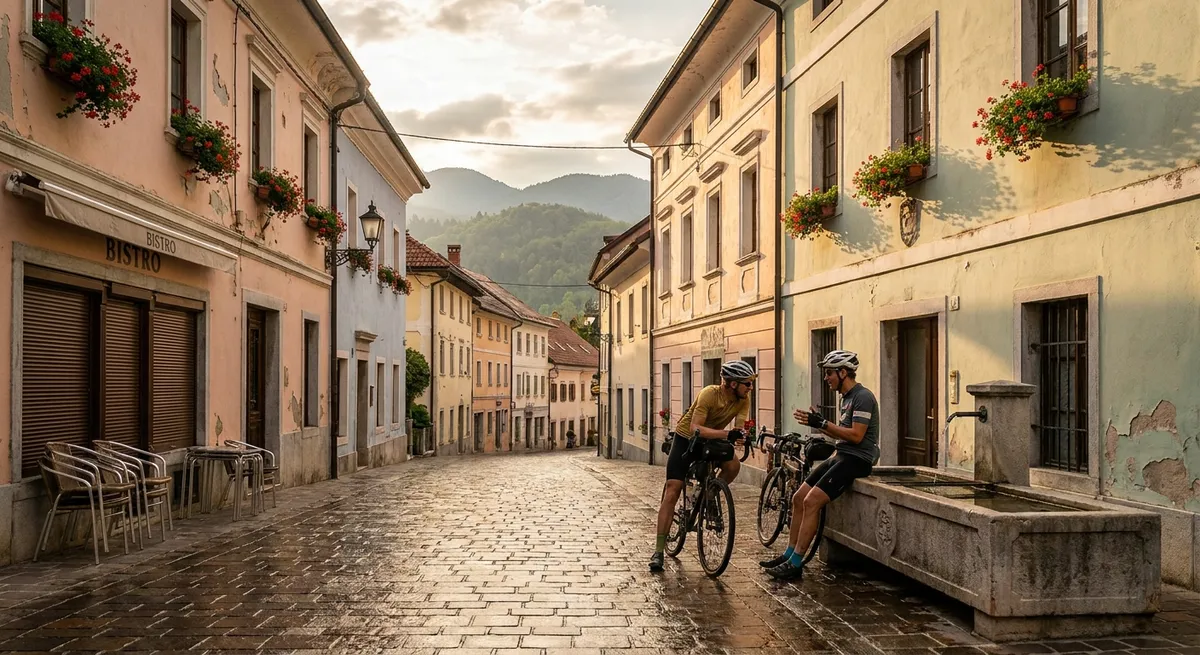
If your travel bucket list is starting to look like everyone else’s Instagram feed—Paris, Rome, Barcelona on repeat—it’s time to zoom out. Beyond the big-name capitals, Europe is full of small, underrated towns that deliver culture, food, and scenery without the crowds or price tags. These places are where you actually hear local accents, find family‑run cafés, and stumble into festivals that aren’t staged for tourists.
This guide is your invitation to swap “must-see” for “want-to-feel.” We’ll explore how to pick the right under‑the‑radar town, what kind of magic to expect when you get there, and five practical tips to make your trip smoother, cheaper, and more memorable.
Why Underrated Towns Can Be Your Best Trip Yet
Big cities are iconic for a reason—but smaller destinations often deliver a better experience for the same (or less) money.
In lesser-known towns, you’re more likely to find walkable centers, markets where locals actually shop, and conversations that go beyond “Where are you from?” You might check into a guesthouse where the owner remembers your name, get café recommendations that aren’t on Google Maps yet, or snag a last‑minute restaurant table because there’s no line out the door.
Traveling to these places also stretches your budget further. Accommodation is typically cheaper, and you can eat incredible regional dishes at non‑touristy prices. You’ll avoid queues at major attractions, replacing them with slower mornings, longer lunches, and the freedom to wander without bumping into selfie sticks every five meters.
On top of that, visiting less‑visited towns is a more sustainable way to see Europe. Instead of adding to overtourism in hotspots, you’re supporting local economies that actually want more visitors—and you’ll usually feel that welcome in every interaction.
How to Choose an Underrated European Town That Fits You
You don’t need insider contacts to find great off‑mainstream destinations—just a bit of strategy.
Start by picking a country you already want to visit, then zoom out from its famous cities. Love Florence? Look into smaller Tuscan towns reachable by train. Considering Barcelona? Check the regional rail lines for coastal or mountain towns locals frequent on weekends. Using major transport hubs as “springboards” makes logistics easier while still taking you somewhere quieter.
Look for towns with at least one or two of these: a historic center, access to nature (coastlines, lakes, mountains, vineyards), and a local food or wine specialty. These features give you built‑in activities without needing a long checklist of attractions. Search phrases like “best small towns in [country]” or “weekend escapes from [major city]” on reputable travel sites—then cross‑reference with a map to see what’s realistically reachable by train or bus.
Finally, check connections on official rail or bus websites. A great town with only one bus per day might be better for slow travelers, while a town with hourly connections is perfect if you want flexibility. Prioritize places where you can arrive by late afternoon and leave mid‑morning, so you’re not losing whole days to transit.
What to Expect: The Rhythm of Small‑Town Travel
Travel in smaller destinations moves at a different pace—and that’s the point.
Shops might close midday, restaurants may not serve dinner until later, and Sunday could be very quiet. Instead of trying to fight this rhythm, lean into it. Use the slower hours to wander backstreets, read on a bench in the main square, or grab a pastry and people‑watch. When you stop racing between landmarks, you start noticing daily life: kids biking home from school, neighbors chatting in doorways, the regular who gets a nod at the café each morning.
Language can feel more present here, too. In big cities, English is often everywhere; in smaller towns, not always. That can seem intimidating, but it’s usually where the warmest interactions happen. A few basic phrases, a smile, and willingness to gesture or point will take you surprisingly far. Locals often appreciate the effort and may go out of their way to help.
Evenings are when small towns really shine. Instead of tourist bars, you’ll likely find locals filling terraces, strolling the main street (“paseo” or “passeggiata” style), or gathering in family‑run restaurants. It’s less about nightlife and more about atmosphere—soft conversations, clinking glasses, the feeling that you’ve stepped into a place that runs on its own time, whether you’re there or not.
Five Practical Tips for Planning Small‑Town European Escapes
These tips will help you turn a vague “maybe I’ll go somewhere quieter” idea into a smooth, satisfying trip.
1. Anchor Your Trip Around One Region, Not Ten Cities
Instead of country‑hopping, choose a compact region and explore it in depth.
For example, pick southern Bavaria instead of “Germany,” Puglia instead of “Italy,” or the Basque Country instead of “Spain.” Once you’ve chosen a region, identify one main city for arrival/departure and then 1–3 smaller towns linked by train or regional buses. This keeps travel times short, reduces stress, and lets you actually settle in.
Practical move: Use Google Maps or official rail sites to check travel times between your main city and 3–5 nearby towns. Spread your base nights between two locations max (e.g., 3 nights in the main city, 4 nights in a smaller town) instead of packing and unpacking daily.
2. Check Public Transport Before You Fall in Love With Photos
Beautiful photos can hide tricky logistics.
Before you commit to a town, look up its public transport options on official sites. Pay attention to:
- Frequency (how often trains/buses run, especially on weekends)
- Timing (first and last departures of the day)
- Seasonality (some routes are reduced or canceled in low season)
If public transport is sparse, decide whether you’re comfortable renting a car or hiring taxis—if not, choose a place with stronger connections.
Practical move: Save offline timetables or screenshots of connections. Apps and websites sometimes change schedules or require internet access, and small stations may have limited staff or signage.
3. Book One “Local Lens” Experience Early
In lesser‑known towns, a single well‑chosen activity can unlock the whole place.
Look for experiences run by locals: a walking tour with a guide who grew up there, a cooking class featuring regional recipes, a vineyard or farm visit, or a small cultural workshop (ceramics, textiles, traditional music). These aren’t just “activities”—they’re shortcuts to stories, neighborhood tips, and hidden spots you’d likely miss alone.
Practical move: Book one key experience before arrival, ideally on your first full day. Ask your host or guide where they’d take a visiting friend for coffee, a casual lunch, and a scenic walk—that mini list can shape the rest of your stay.
4. Time Your Visit Around Local Markets and Small Festivals
Small towns come alive when there’s a market day or local celebration.
Weekly markets (often 1–2 mornings per week) are perfect for snacking your way through regional foods, buying local produce, and seeing how people actually shop. Seasonal festivals—harvests, saints’ days, wine celebrations, or seaside events—can transform a quiet town into a vibrant street party.
Practical move: Search “[town name] official tourism” or check the town hall/municipality website for events and market days. Adjust your dates by even one day if it means you’ll catch a market morning or local festival—it’s often more rewarding than squeezing in another big-city day.
5. Choose a Central Stay and Walk Everywhere
In small towns, location matters even more than amenities.
A simple guesthouse, B&B, or small hotel in or just outside the historic center often beats a fancier place on the outskirts. Being able to step outside and immediately join the evening stroll, grab a last‑minute gelato, or walk back after dinner without taxis makes every day smoother and more spontaneous.
Practical move: When browsing accommodations, switch from “photo view” to “map view.” Prioritize places within easy walking distance of the main square, train/bus station, and groceries. Read a few recent reviews to confirm that “10 minutes from center” really means what it says and that nighttime noise (bells, bars, or traffic) fits your preferences.
Making Space for Serendipity
Underrated towns are where travel shifts from “seeing things” to “being somewhere.”
When you trim down the list of must‑see attractions, you create room for unscripted moments: the bakery that becomes “your” spot, the shop owner who recognizes you on your second visit, the sunset you catch because you happened to wander down an unmarked path. Those experiences rarely appear in guidebooks or blogs, but they’re the stories you end up telling.
Next time you plan a European trip, keep your big-city icons if you want them—but give at least a few days to one smaller place that doesn’t dominate the headlines. Use the tools you already have—maps, official transport sites, and a curious mindset—to find a town that matches your pace.
Your camera roll may have fewer famous landmarks, but your memories will feel unmistakably your own.
Sources
- European Commission: Tourism in the EU - Provides data and context on tourism patterns, including regional travel within Europe
- Eurail Official Site - Useful for checking rail connections and planning routes between major hubs and smaller towns
- Deutsche Bahn (Germany) Timetable - Example of a national rail site for verifying train schedules and connections to regional destinations
- ItaliaRail: Trains in Italy - Overview of Italian train routes, including regional lines that serve smaller towns
- Lonely Planet Destination Guides - Offers curated insights and inspiration for both well-known and lesser‑visited European regions
Key Takeaway
The most important thing to remember from this article is that this information can change how you think about Destinations.