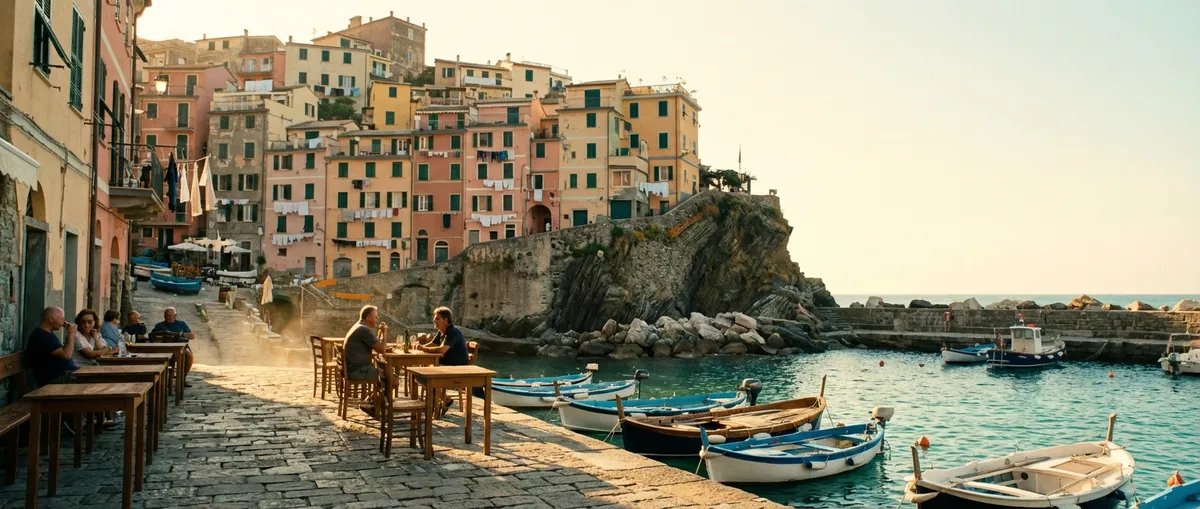
If you’ve ever found yourself doom-scrolling flight deals without actually choosing a destination, this one’s for you. Europe’s big cities get all the love, but it’s the smaller coastal towns—where you can hear waves from your guesthouse window and buy still-warm bread from a corner bakery—that quietly steal your heart. This guide will help you build a real trip (not just a Pinterest board) around Europe’s underrated seaside corners, with practical, on-the-ground tips to make it feel effortless.
Why Small Coastal Towns Are Big Travel Wins
Small coastal towns are the sweet spot between “nothing to do” and “overwhelmed by options.” They’re walkable, refreshingly human-scale, and usually built around something calming—water, fishing, family-run cafes, and evening strolls. Instead of racing between “must-see” sights, you settle into a rhythm: morning swims, lazy lunches, golden-hour harbor walks.
They’re also a smart value play. Even in popular countries like Italy, Spain, Portugal, and Croatia, smaller coastal towns can be noticeably more affordable than nearby big-name hubs, especially for accommodation and food. Local buses, ferries, and regional trains often connect these towns to major airports and cities, so you can mix one or two coastal bases into a bigger itinerary with minimal logistics. And because their economies depend heavily on tourism and fishing, you often get fresher food, more personal hospitality, and a real sense of place—for the same or less than a night in a city-center chain hotel.
Choosing Your Coastal Base (Without Getting Overwhelmed)
Don’t start with “Where should I go?” Start with “What kind of days do I want?” Then find the town that matches that feeling.
If you want a car-free, walk-everywhere break, look for compact harbor towns with a clear center, promenade, and good public transport links—places like Cascais (Portugal), Rovinj (Croatia), or Menton (France). If your dream is wild beaches and hiking, target towns near national parks or coastal trails, such as Lagos for Portugal’s Algarve cliffs or Monterosso for Italy’s Cinque Terre paths.
When you research, zoom out on the map. Look for:
- Proximity to a major transport hub (airport or big rail station) within 1.5–2 hours
- A cluster of nearby villages or islands you can visit on day trips
- A balance of locals and visitors—search photos tagged in the off-season to see what the town feels like when crowds thin
One underrated strategy: choose the “second-prettiest” town in a coastal area. If one place is extremely famous (and expensive), its smaller neighbor often shares the same coastline, climate, and charm with fewer crowds and better prices.
Five Practical Tips to Make Coastal Trips Smoother
1. Plan Around Tides, Ferries, and Local Rhythms
In coastal towns, water dictates the schedule much more than in cities. Before you finalize dates, check:
- Ferry timetables and last departure times if you’re heading to islands
- Seasonal schedules (some routes only run in summer or on weekends)
- Tidal charts if you’re visiting areas with beaches that disappear at high tide or sandbars you can only walk at low tide
This helps you avoid classic headaches like missing the last ferry of the day or arriving in shoulder season to find boat tours running only twice a week. Screenshot or save schedules offline; coastal networks can be patchy.
2. Book “Location First, View Second”
A sea view is amazing—but proximity to the town center can matter more for your actual experience. Prioritize:
- Walkability to the harbor, old town, or main street
- Access to a bakery, supermarket, and a couple of restaurants within 5–10 minutes on foot
- Easy access to bus stops, ferry piers, or trailheads
Once you’ve got that, then decide whether a balcony or sea view fits your budget. Being able to stroll home after dinner along a lit seaside path is often more enjoyable than being isolated in a scenic but inconvenient spot.
3. Pack for Salt, Wind, and Cobblestones (Not Just the Beach)
Coastal trips demand slightly different gear than a typical city break. A few smart additions make life a lot easier:
- Lightweight, packable windbreaker instead of only hoodies or sweaters
- Quick-dry clothing and a small microfiber towel for spontaneous swims or boat rides
- Footwear with grip that can handle uneven stone, docks, and wet surfaces—think sturdy sandals or sneakers rather than flimsy flip-flops
- A dry bag or waterproof pouch for your phone and essentials on boat trips
Coastal weather can flip from hot sun to chilly breeze in the same hour, so think layers over heavy pieces.
4. Eat on the Local Clock to Save Money and Meet People
Small coastal towns often run on a clear rhythm: fishermen return in the morning, markets buzz before lunch, and much of the town slows in the afternoon before dinner. Lean into that rhythm:
- Visit local markets or small groceries in the morning for picnic supplies, fruit, and snacks
- Have your “big meal” at lunch, when many restaurants offer set menus or better prices
- Enjoy simpler dinners—tapas, shared plates, or street food—while people-watching by the harbor
Ask your host or a cafe server: “What time do people here usually eat lunch/dinner?” Matching that schedule often leads to better-quality meals, fresher options, and more interaction with locals instead of only other tourists.
5. Build Flex Days for Weather Swings
Even in summer, coastal weather can surprise you with windy days or choppy seas that cancel boat trips. Instead of trying to schedule every hour:
- Choose one or two “anchor activities” (like a boat tour or coastal hike)
- Leave at least one unplanned day for exploring nearby villages, markets, or simply doing nothing
Use flexible days for train or bus jaunts to inland towns, vineyards, or historic sites that aren’t affected by waves or wind. That way, a canceled boat trip becomes a chance to hop to a neighboring town for coffee in a quiet square instead of time lost.
Building a Simple, Realistic Coastal Itinerary
Think of your coastal trip in “chapters” rather than a whirlwind list of stops. A balanced plan might look like:
- Arrival + Settle Day: Check in, walk the harbor, find your local bakery and grocery store, and scout the nearest swimming spot or viewpoint.
- Water Day: Boat tour, island hop, kayak, or just beach-hop using local buses or coastal paths.
- Exploration Day: Take a day trip to a nearby inland town, heritage site, or scenic lookout; enjoy local specialties you won’t find on the coast.
- Slow Day: Sleep in, linger at a cafe, swim near town, or walk a sunset trail. This is when you really feel like you “live there,” even if it’s just for a few days.
Resist the urge to cram multiple coastal towns into a short trip. One well-chosen base with a few satellites you can reach easily will usually feel richer and more restful than hopping every other night.
Making Memories Beyond the Postcard View
Coastal beauty is a given; what you’ll remember most are the patterns you slip into. The cafe that automatically starts your coffee when you walk in on day three. The bakery that sells out of your favorite pastry by 9 a.m., teaching you to get up earlier. The way the town gathers along the waterfront just before sunset, everything slowing down in sync.
Lean into those small rituals. Take the same evening walk. Buy from the same produce stand. Ask for recommendations not just for what to see, but when locals themselves go swimming, or where they take visiting family for special occasions. That’s how a pretty town becomes your coastal town—at least for a little while.
Conclusion
You don’t need an overstuffed itinerary or a famous skyline to have a standout European trip. A single well-chosen coastal town, approached with a bit of planning and a lot of curiosity, can give you quiet mornings, delicious food, easy day trips, and the rare feeling of actually being on vacation. Pick your coastline, match it to the days you want, and let the sea set the pace. The big city lights will still be there next time; this trip can be all about watching the sky change over the water and realizing you finally slowed down enough to notice.
Sources
- European Travel Commission – Coastal and Maritime Tourism - Overview of trends and characteristics of coastal tourism in Europe
- UNWTO – Tourism in Coastal Areas - Context on how coastal destinations operate and the importance of seasonality and local economies
- Portugal Tourism (Visit Portugal) – Coastal Destinations - Official guidance on Portuguese seaside towns, activities, and seasonal considerations
- France Tourism (Atout France) – Seaside Towns and Coasts - Information on French coastal regions, towns, and transport connections
- European Environment Agency – Coastal Zone Information - Background on coastal environments and how geography and climate shape coastal experiences
Key Takeaway
The most important thing to remember from this article is that this information can change how you think about Destinations.