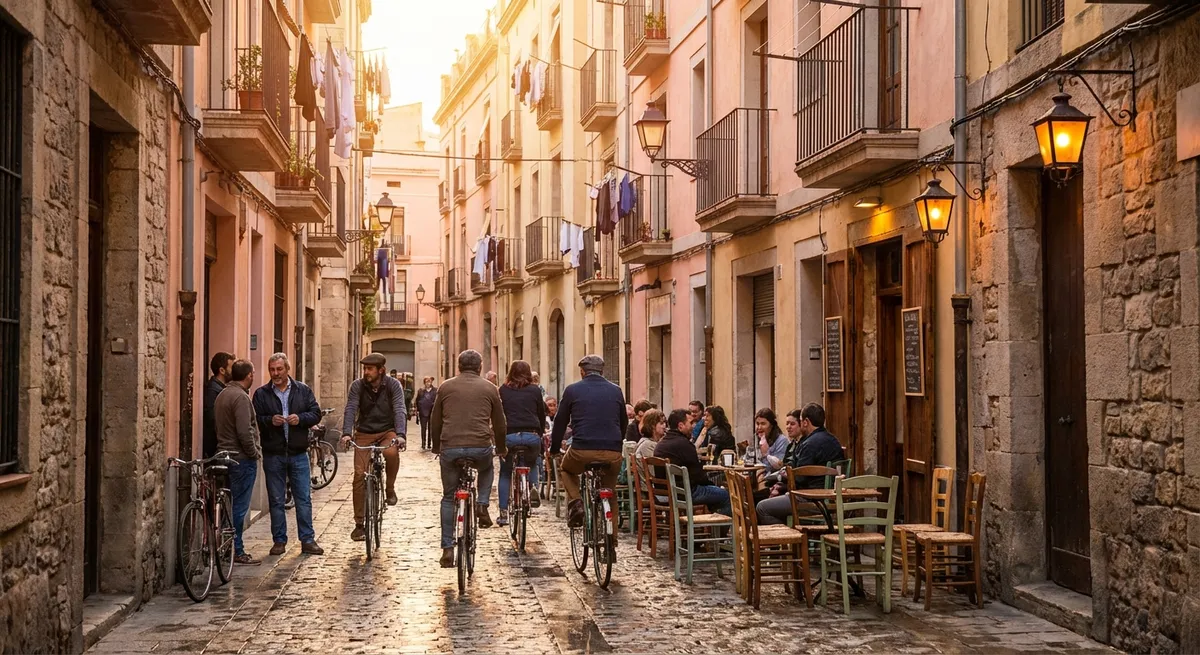
Big-name capitals get the spotlight, but the cities that surprise you most are often the ones you almost skipped. Those “side-street” destinations—second cities, port towns, and under-the-radar hubs—deliver local flavor, lower prices, and fewer crowds, all while staying wonderfully travel-ready.
This guide will help you rethink where you go next, how to choose these underrated cities with confidence, and how to explore them like a curious local. You’ll also find five practical, ready-to-use tips to make your next urban escape smoother and more memorable.
Why “Second Cities” Belong on Your First-Itinerary Draft
When people plan a trip to Italy, they picture Rome or Venice. For Spain, it’s Madrid or Barcelona. Yet cities like Bologna, Valencia, or Porto often deliver what travelers say they want most: character, culture, and a pace that feels human.
Second cities and lesser-known urban hubs usually offer:
- More authentic day-to-day life. You’re stepping into people’s real routines, not just tourism infrastructure.
- Less crowd stress. Shorter lines, easier restaurant bookings, and quieter streets, especially in shoulder seasons.
- Better value. Accommodation, food, and local transport often cost less than in flagship capitals.
- Distinct identity. Regional cuisines, dialects, and traditions stand out more when you’re not in the most globalized city.
- Easier connections. Many have solid rail, bus, or low-cost flight links, making them perfect bases or stopovers.
Instead of asking, “What’s the most famous city in this country?” try: “Which city would locals choose for a weekend away?” That’s often where the magic lives.
How to Spot an Underrated Urban Gem (Before Everyone Else Does)
You don’t need secret insider contacts to find the next city you’ll fall in love with. You need a strategy.
Here’s a simple 4-step approach:
- Start with your “anchor” destination.
Say you’re flying into Amsterdam, Tokyo, or Mexico City. From there, draw a 2–4-hour travel radius by rail, bus, or regional flights.
- Search like a local, not a tourist.
Instead of “best places to visit in Italy,” try “weekend getaways near Bologna” or search in the local language using a translator. Check regional tourism boards and national rail networks to see which cities are well connected but not over-hyped.
- Look for cultural density, not just pretty views.
Great second cities usually have:
- At least one major museum or gallery
- A historic center or distinct neighborhood
- A local food specialty or market
- A university or arts scene that keeps things lively year-round
- Cross-check with transport and safety.
- Frequency of trains/buses or internal flights
- Walkability or strength of public transit
- General safety reputation from credible sources (government travel advisories, major guidebooks)
Before committing, confirm:
When a city ticks all of these boxes and isn’t the national capital or biggest name on Instagram, you’ve likely found a gem.
Five Practical Tips to Explore Side-Street Cities Like a Pro
These five tactics will help you turn “I’ve never heard of that place” into “I’m so glad I went.”
1. Use the City as a Hub, Not Just a Checkmark
Instead of cramming in three big cities, choose one underrated hub and radiate out.
- Book 3–5 nights in your chosen city.
- Identify 2–3 easy day trips (under 90 minutes each way).
- Mix one “sightseeing” trip (e.g., a famous castle or coastline) with one low-key local town or nature escape.
This reduces packing, transit fatigue, and hotel switching—while giving you depth in one region rather than surface-level snapshots of many.
2. Anchor Each Day Around One Local Ritual
In smaller or less touristy cities, the charm is in routines, not bucket lists. Pick one daily ritual and plan around it:
- Morning ritual: A specific café for espresso and people-watching.
- Midday ritual: A local market where you buy picnic ingredients or a snack every day.
- Evening ritual: A neighborhood bar or square you return to at sunset.
By showing up repeatedly, you’ll recognize faces, learn patterns, and build a mini “home base” in just a few days.
3. Learn the Micro-Map: Not Just “Where,” but “When”
In lesser-known destinations, timing changes everything.
- Ask your host, hotel, or café staff:
- “Which streets are most lively in the evening?”
- “What time do locals usually eat dinner here?”
- “Is there a particular night of the week when things are quieter or busier?”
- If shops close in the early afternoon, slot in a long lunch or museum visit then.
- If the main square comes alive after 8 p.m., avoid booking early dinner reservations away from the action.
Then shape your days around those rhythms. For example:
Matching your schedule to the city’s real life makes each day feel smoother and more connected.
4. Build a “Neighborhood Trio” for Instant Orientation
On your first afternoon, walk (or ride transit) with one mission: identify your neighborhood trio within a 5–10 minute radius of where you’re staying:
A café or bakery you actually want to revisit
A corner store or small supermarket
A transit stop (tram, metro, or bus) you understand how to use
Once you’ve locked in this trio, the city immediately feels less overwhelming. You know where to get coffee, snacks, and how to move. That comfort level leaves more mental space for discovery.
5. Save One Slot for Serendipity—But Structure It
Spontaneity works better with a container. Instead of planning every hour, set aside a specific block:
- “Three hours, mid-afternoon, no agenda.”
- Start at a landmark or main street, then:
- Turn down the first side-street that looks interesting.
- Step into one shop, one café, and one public space you hadn’t researched.
- Chat with at least one person (barista, bookseller, or bartender) and ask, “If I had one more day here, what should I not miss?”
You still have the framework of a time limit and starting point, but you’re inviting the city to write part of your itinerary.
Planning Logistics: Making Side-Street Cities Feel Effortless
Urban hidden gems feel best when you’ve solved the basics in advance:
- Arrival strategy:
- Screenshot maps and directions from the station/airport to your accommodation.
- Note backup transit options (e.g., if the tram stops running at night).
- Payment & connectivity:
- Confirm if contactless cards or mobile pay are widely accepted.
- Download any local transit apps and offline maps before arrival.
- Language comfort:
- Learn 10–15 essential phrases (hello, thank you, excuse me, where is…, the bill please).
- Save your accommodation address written in the local language for taxis or if you’re lost.
- Opening hours reality check:
- Many smaller cities still close shops mid-day or on Sundays.
- Plan museum visits or big errands around this, and keep flexible activities (walks, viewpoints, parks) for uncertain hours.
These simple steps remove friction and let you focus on what you came for: exploring at a relaxed pace.
Conclusion
Choosing a city most travelers skip isn’t a compromise—it’s often the upgrade. Side-street cities give you quieter streets, stronger local identity, and a better chance to feel part of the place instead of just passing through.
Use an underrated urban hub as your base, anchor each day with one local ritual, learn the micro-map, create your neighborhood trio, and keep a structured window for serendipity. With just a bit of planning, these cities can become the most vivid part of your travel memories—and the stories your friends can’t stop asking about when you get home.
Sources
- UNWTO – International Tourism Highlights - Provides global tourism trends and data that help explain why less-visited destinations can offer better value and fewer crowds
- OECD Tourism Trends and Policies - Analyzes tourism patterns and the rise of secondary destinations in member countries
- European Commission – Sustainable Tourism - Discusses the benefits of spreading visitors beyond major hotspots to second cities and lesser-known regions
- U.S. Department of State – Travel Advisories - Reliable resource for checking safety conditions in specific cities and regions before you go
- Lonely Planet – How to Avoid Overtourism - Offers insight into choosing and enjoying alternative destinations in a more sustainable way
Key Takeaway
The most important thing to remember from this article is that this information can change how you think about Destinations.