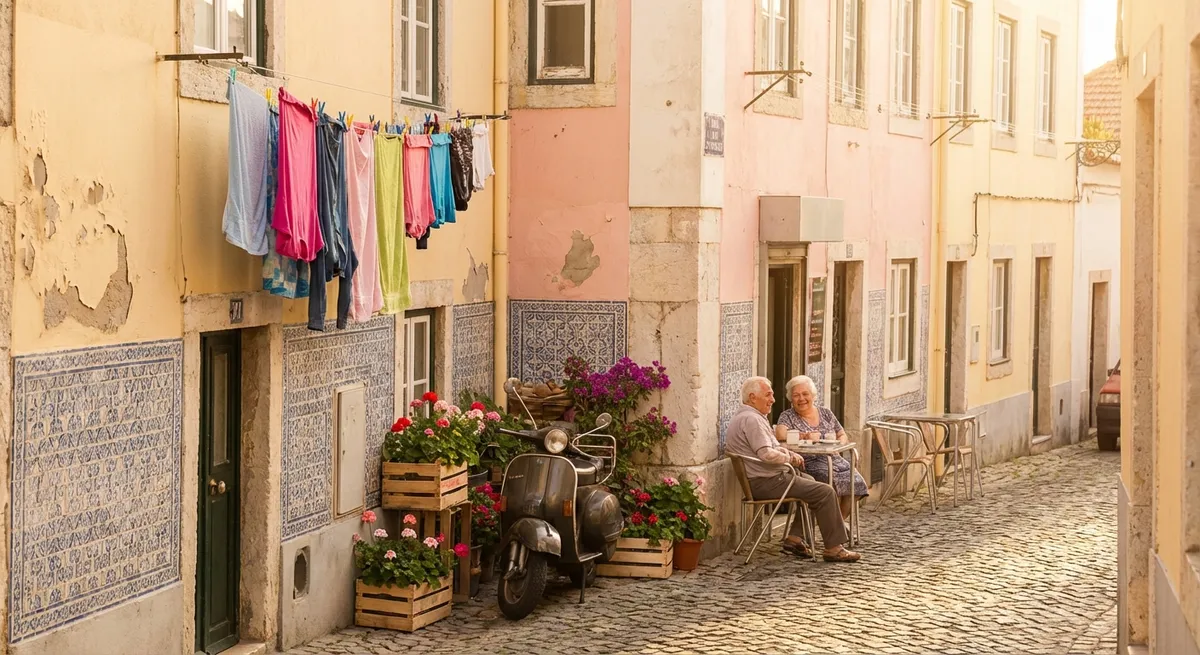
Big landmarks are fun, but the heart of a destination usually lives on its side streets—where laundry hangs from balconies, markets spill onto sidewalks, and café owners know everyone’s name. If you’ve ever left a trip feeling like you “saw everything” but didn’t really feel the place, this guide is for you.
Let’s dive into how to find and enjoy character-rich neighborhoods in cities around the world, with practical, low-stress tips you can use on your next adventure.
What Makes a Neighborhood Worth Traveling For?
A great neighborhood isn’t always the one with the most famous attractions. It’s the place that shows you how locals actually live. These areas often feature:
- Walkable streets where pedestrians outnumber cars
- Small, independent businesses instead of endless chains
- Outdoor life—plazas, parks, corner bars, or food stalls
- Layers of history visible in the buildings, street names, or markets
- A mix of residents: families, older locals, students, and workers
Think of places like Gràcia in Barcelona, Kreuzberg in Berlin, Palermo in Buenos Aires, or Nakameguro in Tokyo. None are the main postcard shot, but many travelers leave saying, “That was my favorite part of the trip.”
The good news: you don’t have to know a city well to find “its Gràcia” or “its Kreuzberg.” With a bit of prep and curiosity, you can.
How to Spot Authentic Neighborhoods Before You Go
You can start scouting interesting areas long before your plane takes off—and you don’t need to rely only on glossy travel brochures.
Begin with your map app of choice and zoom in beyond the city center. Look for clusters of:
- Parks and small plazas
- Independent cafés and bakeries
- Street markets or food halls
- Community centers, libraries, or local theaters
Then cross-check with a few sources: search “[city name] neighborhood guide for locals” or “[city name] where to stay without tourists.” Blogs by locals, city newspapers, and university city guides often shout out emerging areas long before they become mainstream.
Pay attention to how people describe the area. Words like “residential but lively,” “great local food,” or “family-friendly” are usually good signs. “Party zone” or “stag-do central” might be less appealing if you’re looking for everyday life rather than all-night noise.
You don’t have to lock anything in yet—just build a short list of 2–4 neighborhoods that sound promising.
Tip 1: Sleep Where Locals Live (But Stay Connected)
One of the fastest ways to experience an authentic neighborhood is to sleep in it. Instead of defaulting to the busiest tourist center, consider staying in a residential area that still has good connections.
Look for a place that’s:
- Within a 10–25 minute ride of the main sights by metro, tram, or bus
- Located on a well-lit street with plenty of foot traffic in the evening
- Near at least one supermarket, a bakery, and a café—these are your daily lifelines
Read accommodation reviews carefully. Scan for terms like “quiet but easy to get everywhere,” “felt safe walking at night,” and “lots of locals around.” Those phrases are worth their weight in gold.
Smart move: open your map, drop a pin on the accommodation, and count how many transit stops or walking minutes separate you from the main attractions. This keeps you connected while still placing you in the neighborhood’s daily rhythm: morning dog walkers, school drop-offs, and people grabbing coffee on the way to work.
Tip 2: Use Markets as Your Neighborhood Compass
Markets are often the beating heart of a local area, and they make fantastic starting points for exploring side-street cities within cities.
Look for three types of markets:
- Food markets: Great for people-watching, sampling regional produce, and learning what locals actually eat
- Flea and vintage markets: Perfect for spotting generational trends, from old postcards to antique furniture
- Night markets or evening food courts: Common in many Asian and Latin American cities, they reveal a city’s “after work” personality
Plan at least one morning or evening around a market in each city you visit. Walk there if possible, and pay attention to the streets you pass: small workshops, family-run shops, kids going to school, older residents on benches. This is the real-life texture you won’t find near the main monuments.
Pro tip: After visiting a market, let yourself wander aimlessly for 30–60 minutes in the surrounding area—no strict route, just a loose mental note of how to get back. You’ll often stumble upon the exact cafés and parks that locals love and guidebooks barely mention.
Tip 3: Make Transit Your Discovery Tool, Not Just a Time-Saver
Public transit isn’t just a way to get from A to B—it can be your best tool for understanding how a city is stitched together. Instead of treating it like a necessary hassle, turn it into part of your exploration strategy.
Here’s how:
- Ride one full tram or bus line from end to end when you have a spare hour. You’ll see how the city changes: architecture, street life, and density.
- Note any stops where you see street art, crowds getting off, or inviting streets lining the route. Mark them as potential mini-excursions for later.
- Use transit apps to find routes that don’t just beeline to the tourist center—experiment with cross-town lines that link local neighborhoods.
If the city has bike-share or e-scooters and you feel comfortable, use them for short hops between adjacent areas. It’s a great way to connect two interesting neighborhoods without dropping back into the busiest zones.
This approach transforms transit from “dead time” into a moving window into real neighborhoods—and helps you quickly sense where you want to come back on foot.
Tip 4: Anchor Your Day Around One Local Spot
Instead of racing through a dozen attractions, choose one “anchor” in a neighborhood and let everything else orbit around it. This could be:
- A neighborhood café you visit every morning for coffee
- A bakery you adopt as “yours” for the week
- A small park where you always take a mid-afternoon break
- A bar or teahouse where you end the day
By returning to the same place, even for 3–4 days, you create micro-routines. The staff might begin to recognize you, you’ll start noticing other “regulars,” and the neighborhood will feel less like a stage set and more like a place you briefly lived.
Travel often feels shallow when every moment is novel and disconnected. Routines—however small—give your memories anchors. That café where the barista laughed at your attempt in the local language, that bench where you always sat to regroup: these are the details you’ll remember long after the big museum exhibits blur together.
Tip 5: Plan One “No-Museum, No-Monument” Day
To really get under the skin of a destination, give yourself one day with a simple rule: no major attractions allowed. No famous museums, no blockbuster viewpoints, no “Top 10 Things to Do” items.
Instead, build a day around:
- A local breakfast spot in a neighborhood you haven’t seen yet
- A self-guided walk through residential streets (follow your curiosity, not a checklist)
- A stop at a bookstore, community center, or neighborhood cultural space
- A leisurely lunch at a place with a handwritten menu or daily specials board
- An afternoon in a park or beside a river, watching how people use the space
You’re not “wasting” a day—you’re trading one more line in your trophy list for a deeper connection with actual life in that city.
To keep things comfortable, choose an area with good transit and plenty of cafés, and mark a few “fallback” spots on your map where you can regroup if you feel overwhelmed or lost.
Conclusion
Destinations aren’t just countries or cities—they’re the pockets of lived-in character that exist just beyond the tourist core. When you learn how to find and enjoy those side-street neighborhoods, your trips shift from “I saw the sights” to “I got a feel for the place.”
By staying where locals live (but staying connected), using markets and transit as your guides, anchoring your days in one favorite spot, and dedicating time to non-touristy wandering, you’ll come home with stories that go far beyond the usual postcard moments.
Your next city already has a neighborhood that could feel like “yours” for a few days. All you have to do is go looking for it—one side street at a time.
Sources
- UN World Tourism Organization – Tourism Data and Insights - Provides context on urban tourism trends and how travelers are increasingly seeking local experiences
- OECD – Tourism Trends and Policies - Offers analysis on sustainable and local-focused tourism development, including urban neighborhoods
- CityLab (Bloomberg) – Urban Neighborhoods and City Life - In-depth reporting on how neighborhoods evolve, gentrification, and what makes urban areas livable
- Gehl – Public Space and Public Life Studies - Case studies on how parks, plazas, and streets shape daily life in cities around the world
- Lonely Planet – City Neighborhood Guides - Practical examples of character-rich districts in major cities and how travelers can explore them
Key Takeaway
The most important thing to remember from this article is that this information can change how you think about Destinations.