Scandinavia isn’t just a destination—it’s four completely different worlds wrapped into one region, depending on when you go. Midnight sun and fjord kayaking in July feel like a different planet from husky sleds and northern lights in January. If you’ve ever wondered when to visit Norway, Sweden, Denmark, or Finland to match your travel style (and budget), this guide is your shortcut. Let’s match your dream vibes—cozy, adventurous, foodie, or festival-lover—to the perfect Scandinavian season.
Understanding Scandinavia by Season (Beyond Just “Cold”)
Scandinavia’s climate has a big range, from temperate coastal cities to subarctic Lapland. Instead of thinking “it’s always freezing up there,” it helps to picture four distinct travel modes:
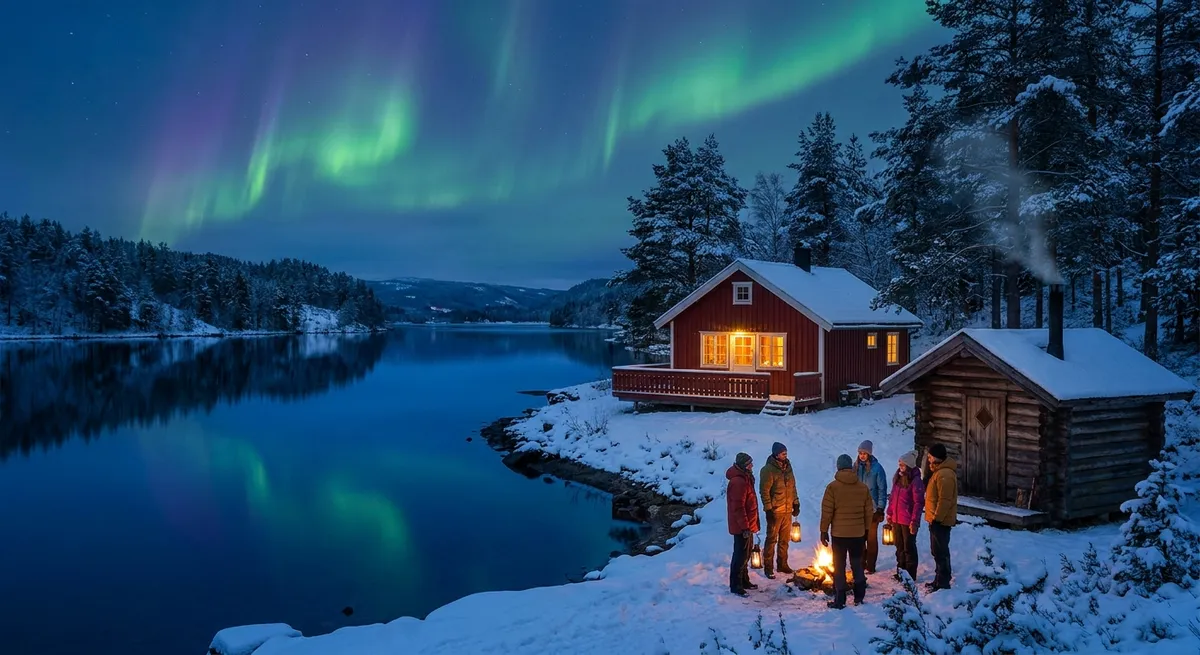
- Winter (Dec–Feb): Dark, dramatic, and magical in the north, with long nights, snow, and northern lights opportunities. In the south, you’ll find shorter days, but lots of cozy culture, winter cafes, and fewer crowds.
- Spring (Mar–May): Snow melts, days grow rapidly longer, and cities reawaken with outdoor life, cherry blossoms, and more manageable prices than summer.
- Summer (Jun–Aug): Peak season with the famous midnight sun, warm days, thriving café culture, festivals, and top hiking conditions—plus the highest prices and biggest crowds.
- Autumn (Sep–Nov): Underrated and atmospheric: blazing fall colors, mushroom and berry foraging, and a more relaxed pace with shoulder-season prices.
Think about what you want your trip to feel like: endless daylight and outdoor adventures, or slow, candlelit evenings and steaming sauna sessions while the snow falls outside. Once you know the vibe, choosing the right month becomes much easier.
Where Each Season Shines: Matching Places to Your Travel Style
Not every corner of Scandinavia is at its best in every season. Matching location with timing is the secret sauce for a trip that feels intentional instead of “nice but mistimed.”
Winter standouts:
- Tromsø & Alta (Norway) and Abisko (Sweden): Northern lights hotspots with dark skies, husky sledding, reindeer experiences, and snowshoeing. These areas sit in the “aurora belt” with statistically more clear-sky chances.
- Lapland (Finland & Sweden): Classic snow-globe scenery, glass igloos, snow hotels, and Santa-themed stays near Rovaniemi.
- Copenhagen (Denmark): Milder than the Arctic north, with beautifully decorated streets and a strong “hygge” (cozy) culture in winter—perfect if you want seasonal charm without extreme cold.
Summer standouts:
- Norwegian fjords (Bergen, Ålesund, Geiranger): Peak hiking and cruising season with long daylight, open mountain passes, and boat trips running full schedules.
- Stockholm & its archipelago: Island-hopping, outdoor bars, kayaking, and swimming spots right off city piers.
- Southern Norway & Denmark’s coasts: Cute coastal villages, sandy beaches, cycling paths, and family-friendly seaside towns.
Spring & autumn highlights:
- Oslo, Stockholm, Copenhagen, Helsinki: Great in shoulder seasons, when museums, cafés, and parks are lively but not packed. You’ll often find lower hotel prices and easier restaurant reservations.
- Swedish & Finnish forests (Dalarna, Lakeland, Nuuksio National Park): Ideal for hiking and foraging in late summer and fall; lakes and woods feel atmospheric, and mosquitoes calm down later in the season.
- Norwegian mountains (like Jotunheimen): Stunning fall color in September and early October before higher terrain starts accumulating snow.
If you’re flexible, aim for shoulder windows like late May–mid June or early September: you’ll still get plenty of daylight and open attractions with fewer crowds and better rates.
Five Practical Tips to Time and Plan Your Scandinavian Trip
Here are five traveler-tested ways to make sure your timing, budget, and expectations line up with reality (and the weather).
1. Let Daylight Hours Guide Your Itinerary
In Scandinavia, daylight changes fast, especially from October to March—and it affects everything from sightseeing to your mood.
- Above the Arctic Circle in winter, you can get only a few hours of light or full polar night, so build in time for midday activities and embrace nighttime experiences (saunas, auroras, evening tours).
- In summer, long days can trick you into staying out late—great for adventure, but plan some rest days so you don’t burn out.
- Always check sunrise/sunset times for your exact dates and destination before booking. This helps you decide how many days you need in each place and whether to prioritize city life or winter activities.
Actionable move: Before locking in flights, look up expected daylight for your dates on a weather or time-zone site, then adjust your route to maximize functional sightseeing hours.
2. Book Transport and Key Experiences in the Right Order
Scandinavia is well-connected but also extremely popular, especially in summer and holiday weeks. Smart sequencing avoids both disappointment and overspending.
- Start with what’s most limited: Northern lights tours, glass igloo stays, famous restaurants (like Noma alumni spots or fjord-view lodges), sleeper trains, and summer cabins can sell out months in advance.
- Once those are confirmed, build your route around them using trains, ferries, and domestic flights.
- In summer, scenic rail lines (like Norway’s Bergen Line or Sweden’s night trains north) are hugely in demand; booking early often saves money and guarantees seats.
- In winter, allow padding days in case of weather-related delays, especially if flying in/out of Arctic areas.
Actionable move: Pick one “anchor” experience (e.g., “3 nights in Tromsø during new moon” or “Norway in a Nutshell route in July”), book that first, then scale your itinerary around it.
3. Pack for Microclimates, Not Just “Cold” or “Warm”
Across one trip you might go from windy coastal rain to dry, inland snow or surprisingly warm city sunshine. A flexible layering system beats overpacking every time.
Include:
- Base layer: Merino wool or technical fabric thermal top and leggings for winter and shoulder seasons.
- Mid layer: Fleece or light down sweater that works alone in mild weather or under a shell in the cold.
- Outer shell: Waterproof and windproof jacket (and ideally pants if you plan snow activities or serious hiking).
- Footwear: Waterproof shoes or boots with good grip; in summer, a light sneaker plus sandals is usually enough—add heavier boots for winter.
- Accessories: Thin hat, gloves, and neck gaiter—even in summer up north, evenings on boats or mountain tops get chilly.
Actionable move: Check the 10-day forecast a week before you fly and adjust your final packing list. Don’t rely on averages alone; coastal rain and mountain wind can surprise you in any season.
4. Use Local Transport Passes and City Cards Strategically
Scandinavian cities are known for excellent public transport—but single rides add up quickly. City cards and regional passes can be powerful savings tools when used intentionally.
- Many cities (Copenhagen, Stockholm, Oslo, Helsinki) offer city cards that combine public transport with free or discounted museum entry.
- In Norway and Sweden, rail passes or advance-purchase tickets can drop prices drastically, especially for longer runs.
- Ferries in places like Stockholm’s archipelago or Norway’s fjord regions double as both transit and a scenic cruise—two birds, one ticket.
Actionable move: Roughly list your must-do attractions and likely transport use over 48–72 hours in a city, then compare pay-as-you-go costs to the city card price. Buy only if you’ll actually use enough included entries and rides.
5. Time Your Trip Around (or Away From) Major Events
Scandinavia’s festivals and holidays shape prices, availability, and atmosphere—sometimes in delightful ways, sometimes in budget-straining ones.
- Midsummer (around late June): Huge in Sweden and Finland—traditional celebrations, rural gatherings, and long bright nights. Magical, but accommodation in scenic areas must be booked early.
- Christmas markets (late Nov–Dec): Charming in Copenhagen, Stockholm, and Oslo, with festive lights, gløgg/mulled wine, and design-focused gifts. Popular weeks come with higher prices.
- Music and culture festivals (summer): Norway’s fjord towns, Danish cities, and Stockholm host events that can bring both crowds and great energy.
- National holidays: On days like Norway’s Constitution Day (May 17), you’ll see parades and locals dressed in national costumes—but some businesses may close or have reduced hours.
Actionable move: Decide whether you want your trip to center around a cultural event or avoid the busiest times for lower prices and quieter streets. Search your destination plus “festival calendar” for your travel months before booking.
Sample Itinerary Ideas by Season
To make this more concrete, here are a few example trip “shapes” that align well with the seasons:
- Winter week in the north:
Fly into Tromsø → 3 nights northern lights and Arctic activities → short flight or overnight train to Swedish Lapland (Abisko or Kiruna) → final night in Stockholm before flying home.
- Summer fjords and cities combo:
Start in Copenhagen for city culture → train to Gothenburg for relaxed coastal vibes → overnight ferry or flight to Oslo → finish with the classic fjord region (Bergen + nearby hikes).
- Autumn forest and city retreat:
Fly into Helsinki → 2–3 nights in the city → 2 nights in a lakeside cabin or national park lodge for saunas and hikes → short hop to Stockholm for museums and archipelago day trip in softer off-season light.
Each of these can be expanded or compressed, but the key is that the season amplifies what you’re doing: winter for snow and sky, summer for water and mountains, autumn for color and coziness, spring for that “everything waking up” energy.
Conclusion
The “right time” to visit Scandinavia isn’t about one perfect month—it’s about syncing your ideal trip energy with the region’s dramatic seasonal shifts. Long, glowing summer nights are perfect for fjords, island-hopping, and festivals, while winter’s deep dark skies are your best ally for northern lights and snow-filled adventures. Shoulder seasons bring balance: fewer crowds, lower prices, and a more local feel.
Use daylight as your planner, secure key experiences first, pack for layers, lean on smart transport passes, and be intentional about big holidays and events. Do that, and you won’t just check Scandinavia off a list—you’ll feel like you visited the right version of it, just for you.
Sources
- Visit Norway – Official Travel Guide – Seasonal climate overview, best times to visit different regions, and activity suggestions
- Visit Sweden – Seasons and Climate – Detailed breakdown of weather patterns and seasonal experiences, especially in Arctic Sweden
- Visit Finland – When to Visit – Guidance on what each season offers, from northern lights and snow to summer lakes and festivals
- Visit Copenhagen – Weather and Seasons – Practical info on temperatures, daylight, and what to expect in each part of the year
- Norwegian Meteorological Institute (met.no) – Reliable climate normals, forecasts, and daylight data across Norway and the wider Nordic region
Key Takeaway
The most important thing to remember from this article is that this information can change how you think about Destinations.