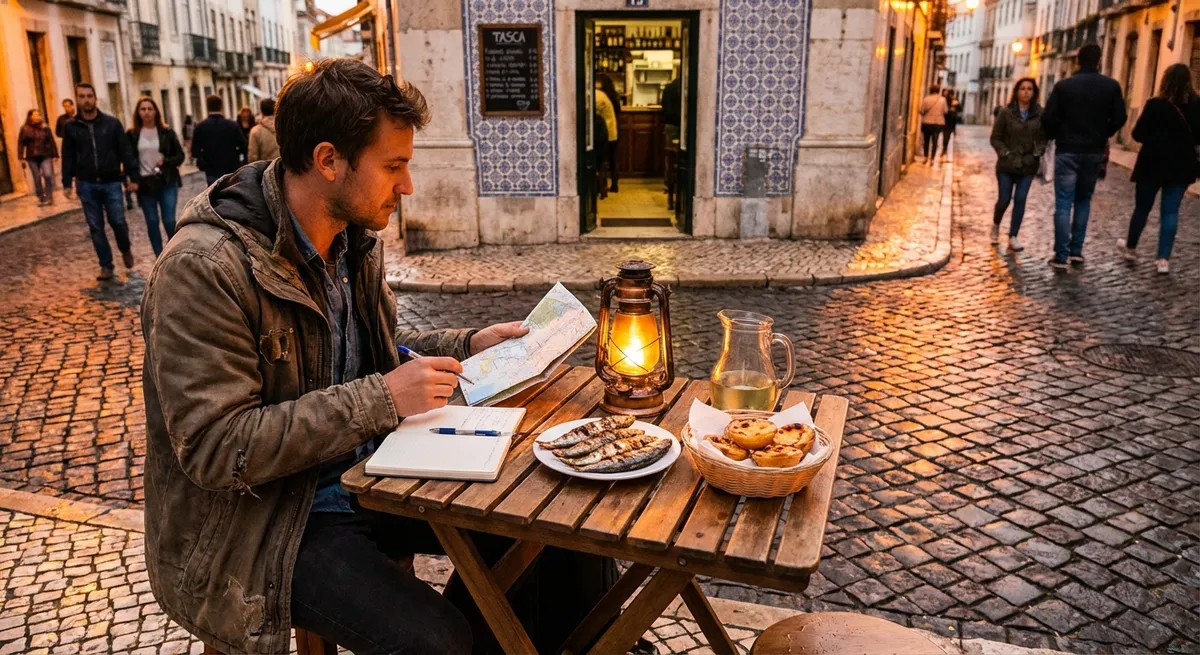
Travel memories fade fast—except the meals. The late-night noodles, the bakery you stumbled into by accident, the sea-salt on your lips after a waterfront lunch: those are the details that stick. Building your trip around what (and where) you eat doesn’t just mean “good restaurants.” It can completely change how you move through a destination, who you meet, and what you remember years later.
This guide is all about using food as your compass—so you come home with stories that go way beyond “the main square was nice.”
Why Food-First Travel Changes Everything
When you plan around food, you naturally drift into neighborhoods you might otherwise skip. That hole‑in‑the‑wall dumpling shop pulls you off the main tourist drag. A morning pastry run sends you into the quiet backstreets. A local market reveals what people actually cook at home, not just what’s on hotel menus.
Food is also one of the fastest ways into a culture. You learn what’s seasonal, what’s special-occasion, what’s comfort food, and who does it best. Even simple questions—“How do you eat this?” or “Where would you go if you were celebrating?”—open the door to real conversations.
Designing a trip around local flavors also builds in natural breaks. Instead of sprinting from one attraction to the next, you’re punctuating your day with meaningful stops: a coffee with a view, a snack on a park bench, a sunset drink where the city winds down. Your itinerary becomes more human-paced, less checklist-driven, and a lot more fun.
Choose Your Base Like a Foodie, Not a Tourist
Where you stay can decide whether your days are “quick breakfast and rush out” or “step outside into a living pantry.” Before you book, zoom all the way in on the neighborhood on a map—then switch to satellite or street view and start scouting like a local.
Look for signs of everyday food life: small groceries, bakeries, street food stalls, noodle bars, fruit stands. If you can spot at least three places where locals could grab breakfast, a snack, and a late bite within a 5–10 minute walk, you’re in a strong candidate area.
Check business hours, too. Some districts go quiet early; others come alive at night. If you love vibrant evenings, choose a neighborhood where restaurants and bars are clustered but not directly under your window (filter for reviews that mention “noise”). If you’re a morning person, prioritize walking-distance access to good coffee, bakeries, and markets.
Practical tip #1: Map your “food radius” before you book. On Google Maps, save a custom list around every potential accommodation: breakfast options, one or two casual lunches, and a few dinner spots. If the map looks barren—or only chains—move on.
Make Markets Your First Stop, Not an Afterthought
Most people save local markets for “if there’s time.” Flip that: hitting a market on day one gives you a crash course in the destination’s tastes and rhythm.
Wander slowly and just watch: What fruits are everywhere? How busy is the fish section? Are there prepared-food stalls packed with office workers at lunch? That tells you what locals genuinely line up for. Markets also reveal prices, so you’ll quickly develop an instinct for what’s fair when you’re elsewhere in the city.
If you have access to even a tiny kitchenette, pick up a few basics—yogurt, fruit, bread, snacks—so you’re not forced into overpriced convenience options when you’re tired. Even without a kitchen, markets are picnic heaven: local cheese, cured meats, fresh bread, maybe something sweet, and you’ve got a budget-friendly meal with a sense of place.
Practical tip #2: Use markets to set your “price radar.” Note what locals pay for simple staples (fruit, bread, water). When you see prices double or triple in tourist zones, you’ll recognize it instantly and decide if the location is worth the markup.
Plan Days Around Food Windows, Not Just Sights
Different destinations move on different schedules, and food is often the clearest signal. In Spain, lunch runs late and dinner later; in many parts of Asia, the best action is at breakfast and late-night food streets. If you only plan around sights, you might miss a city’s best flavors simply because you showed up at the wrong time.
Before you go, look up typical meal times and restaurant hours. Then build your sightseeing around those windows. Want to visit a major museum? Plan to arrive early, then head to a nearby local-favorite spot right after opening for lunch. Curious about a famous night market? Schedule a lighter afternoon and a late snack instead of a big sit-down dinner.
This also helps you dodge lines. Locals often eat at consistent times, so shifting your main meal a bit earlier or later can mean less waiting and more insider experiences. A slightly off-peak lunch in a popular spot can feel like a private show of local life instead of a tourist stampede.
Practical tip #3: Time at least one main attraction around a food stop. For every big sight, pick a nearby place you’re excited to eat and anchor the visit to their opening or lull hours—then let the rest of the day flex around that combo.
Blend “Must-Try” Classics with Micro Discoveries
You’ll see the same “must-eat” dishes over and over in destination guides. Many are absolutely worth your time; others are simply popular. Instead of treating them as a checklist, use them as a starting point.
Pick one or two iconic experiences you care about and be intentional. If you’re set on a famous ramen shop, consider going on a weekday, before peak hours, and treat standing in line as part of the experience. Balance that with spontaneous choices: the quiet corner café that smells incredible, the bakery a local points to when you ask where they’d go.
When researching, go beyond “best restaurants” lists. Search for “where locals eat near [your neighborhood]” or dig into forums and local blogs. Then, once you arrive, ask front-desk staff, baristas, or bartenders where they’d take a friend visiting for the first time. Say you’re not looking for fancy—just their genuine favorites.
Practical tip #4: Keep a flexible “shortlist,” not a rigid schedule. Save a handful of interesting food spots per area you’ll visit and rank them loosely: “must-do,” “nice if nearby,” “backups.” On the day, choose based on mood, timing, and what the city gives you—weather, energy, serendipity.
Eat Curiously, and Safely, Anywhere in the World
Trying new food is exciting, but it’s more fun when you’re not worrying about getting sick. A few simple habits translate almost everywhere. For street food, follow crowds over aesthetics: a busy stall with quick turnover is almost always safer than a beautifully decorated but empty one. Watch how food is handled. Does the vendor wear gloves or use utensils? Is cooked food kept separate from raw?
Hydration is another big piece. In some countries, tap water is perfectly safe; in others, it’s not recommended. Check official guidance before you go and adjust your habits. If locals drink tap water freely, you likely can too. If everyone buys bottled or uses filters, take the hint and plan accordingly.
If you have allergies or dietary restrictions, prepare phrases in the local language and keep them written down or saved on your phone. Many tourism boards and health organizations provide printable allergy cards in multiple languages—these can be priceless at smaller spots where staff might not speak English.
Practical tip #5: Adopt a “three-check” rule for new places. Before eating, quickly confirm: (1) good turnover of customers, (2) food looks freshly cooked or properly chilled, (3) basic hygiene (clean enough prep area, separate raw and cooked). If any one fails badly, trust your instincts and move on.
Conclusion
Designing your trip around what you eat isn’t about chasing the fanciest restaurant in town. It’s about using food as a lens to see the real city—the early-morning baker, the office crowd grabbing lunch, the families out for weekend treats. When you choose your base with food in mind, let markets guide your understanding, time your days around local meal rhythms, blend famous bites with personal finds, and stay curious but careful, you turn every meal into a story.
The best part? You don’t need a huge budget or a perfect plan. Just a willingness to follow your appetite through unfamiliar streets—and let the destination meet you, one plate at a time.
Sources
- UN World Tourism Organization – Tourism and Culture Synergies - Explores how cultural experiences, including gastronomy, enhance travel
- OECD – Food and the Tourism Experience - Policy and research overview of how food shapes tourism and local economies
- U.S. Centers for Disease Control and Prevention: Food and Water Safety - Practical guidance on eating and drinking safely while traveling
- U.S. Department of State – Travel Advisories and Country Information - Country-specific safety and health considerations, including local conditions
- Google Travel Insights – Destination Trends - Data-backed look at how travelers research and choose destinations (including food experiences)
Key Takeaway
The most important thing to remember from this article is that following these steps can lead to great results.