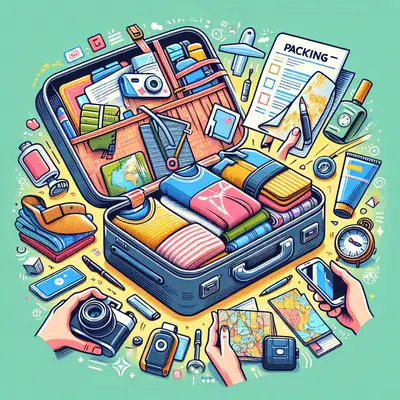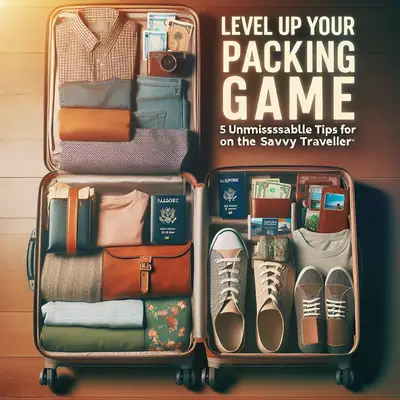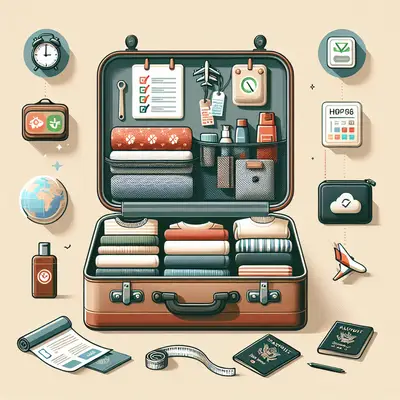
Packing shouldn’t feel like a game of suitcase Tetris you’re doomed to lose. With a few smart moves, you can bring what you actually need, skip the “just in case” overload, and breeze through airports, train stations, and city streets. This guide focuses on realistic, road-tested packing tips that help you travel lighter without feeling deprived.
Start With Your “Trip Uniform” (And Build Everything Around It)
Instead of packing outfits, pack a uniform—a simple template you repeat with small variations. This is the single most powerful way to cut clutter and still feel put-together.
Choose a base “uniform” that matches your trip style: for example, “comfortable pants + breathable top + light layer + sneakers” for city trips, or “quick-dry shorts/pants + performance tee + fleece + trail shoes” for more active travel. Stick to 2–3 base colors (like black/gray/white or navy/tan/white) so everything mixes and matches. This lets you create multiple outfits from fewer pieces and avoids the “I have clothes but nothing goes together” problem.
Aim for multi-use layers: a cardigan that works on the plane, at dinner, and in chilly museums; a simple dress that pairs with sneakers by day and flats by night. The test: if it only works in one specific scenario, it probably doesn’t earn a spot in your bag. When every item plays well with the others, you’ll feel like you brought more than you actually did.
Pack “Laundry Confidence,” Not Extra Clothes
Most travelers overpack because they assume they’ll never be able to do laundry. Flip that mindset: pack as if you will wash a few things—because you probably can.
Before you go, quickly check your accommodation description for “washer,” “laundry,” or “launderette” nearby on maps. Even if services aren’t guaranteed, you can still handwash essentials. Toss in a small, leak-proof bottle of concentrated detergent or a solid detergent bar and a sink stopper. This tiny kit is far lighter than three extra outfits.
Focus on fabrics that dry fast and resist odors: merino wool tees, synthetic blends, and lightweight athletic materials. Avoid heavy cotton pieces that take ages to dry. With 4–5 tops, 2–3 bottoms, enough underwear for 4–5 days, and the ability to wash items every few days, you can comfortably travel for weeks. You’re not just packing clothes—you’re packing the ability to refresh them.
Use a “Grab-and-Go” System for Your Essentials
The most stressful packing moments often aren’t about clothes—they’re about the small, critical stuff. Think: passport, chargers, medications, and that one adapter that somehow always vanishes. A simple “grab-and-go” system keeps your most important items always ready, trip after trip.
Create a dedicated travel pouch that lives only for travel. Stock it with: a universal adapter, a charging cable and small wall plug, a tiny power bank, a pen, spare passport photos (for visas or lost-document emergencies), a copy of your ID, and a short printed list of emergency numbers and key reservations. After a trip, restock anything you used before putting it away. That way, your next packing session takes minutes, not hours.
Do the same with a small, TSA-friendly toiletry kit: travel-sized toothbrush, toothpaste, deodorant, face wash, moisturizer, and any must-have skincare in refillable containers. Instead of rebuilding your kit from scratch every time, you’ll just top up liquids and drop the bag straight into your suitcase or carry-on. This system not only saves time—it dramatically reduces the chance of forgetting something vital.
Make Your Bag Work Harder: Structure, Don’t Stuff
How you pack matters almost as much as what you pack. A well-organized bag feels lighter, is easier to live out of, and makes quick changes (like swapping outfits during a layover) painless.
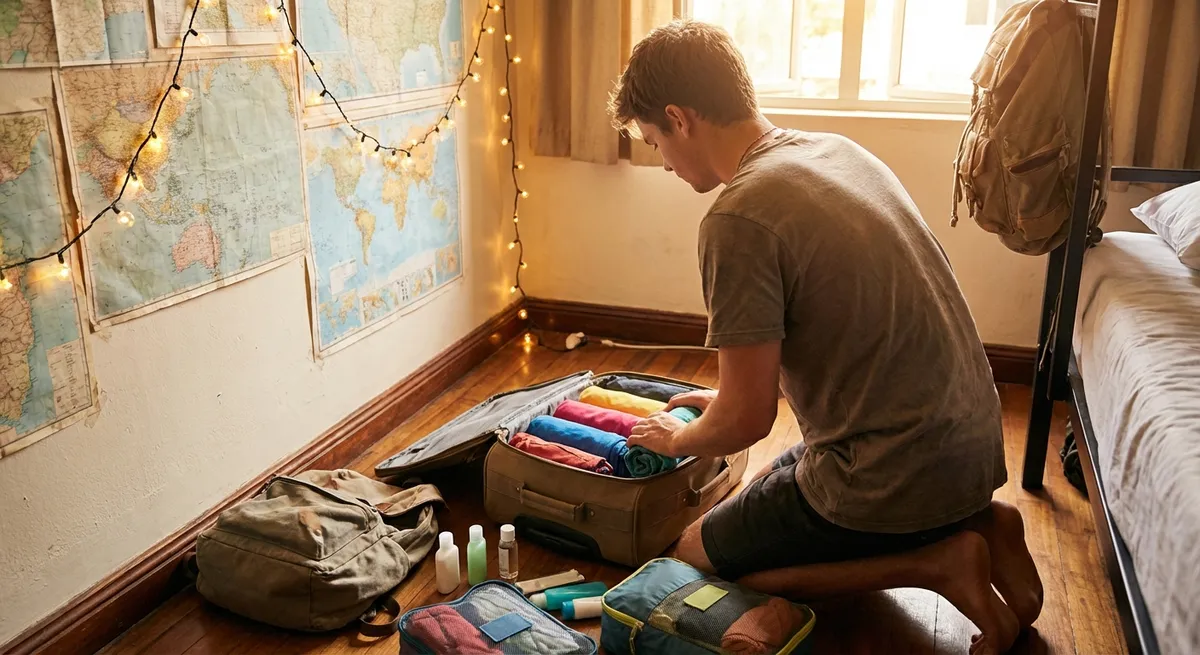
Use packing cubes or lightweight pouches to separate categories: tops in one, bottoms in another, underwear in a small cube, and a dedicated “sleep/chill” cube so you can find your comfy clothes immediately on arrival. Rolling clothes tightly can reduce wrinkles and makes it easy to see everything at a glance when you open a cube.
Think about “zones” in your luggage:
- Access zone: things you’ll need in transit—headphones, snacks, a light sweater, meds—go near the top or in outer pockets.
- Hotel room zone: pajamas, toiletries, and tomorrow’s outfit should be easy to grab without fully unpacking.
- Rarely used zone: backup items, extra shoes, and less-frequent gear can go deeper in the bag.
By giving everything a home, you’re not just fitting more in—you’re cutting down the friction of living out of your suitcase for days or weeks.
Plan for Security & Surprises Without Overpacking
Travel always includes a few unknowns—weather shifts, security checks, delayed luggage—so pack to handle those scenarios rather than adding random “maybe” items.
For security checkpoints, keep your liquids bag and electronics in a spot where you can reach them quickly, like the top of your carry-on. Wear shoes that are easy to slip on and off and avoid belts or accessories that constantly set off scanners. You’ll move faster and feel less flustered, especially in busy airports.
For weather surprises, prioritize smart layers over bulky single-use pieces. A packable waterproof shell can go over a hoodie in the cold or over a t-shirt in the rain, turning what you already packed into weather-resistant outfits. A lightweight scarf can double as a blanket on the plane, a cover-up at religious sites, and a quick sun shield.
Finally, assume there’s a small chance your checked bag could be delayed. In your personal item, always pack: one full change of clothes (including underwear), essential medications, travel documents, and a phone charger. These few items give you peace of mind—and might turn a stressful luggage delay into a minor inconvenience instead of a full-on crisis.
Conclusion
Packing smart isn’t about harsh minimalism; it’s about intentional choices that support the way you like to travel. Build outfits around a flexible “trip uniform,” trust that you can do laundry, create grab-and-go kits for your essentials, structure your bag for easy access, and plan for common travel surprises instead of overstuffing your suitcase “just in case.”
When your luggage feels lighter and more organized, everything else on your trip gets easier—from sprinting to catch trains to spontaneously exploring a new city. The goal isn’t a perfect bag; it’s a bag that lets you say yes to more of the trip and worry less about your stuff.
Sources
- U.S. Transportation Security Administration (TSA) – What Can I Bring? - Official guidelines on carry-on items, liquids rules, and how to prepare your bag for security screening
- U.S. Department of State – Travel Tips - Government checklist for documents, safety considerations, and what to organize before you depart
- Centers for Disease Control and Prevention (CDC) – Travelers’ Health - Up-to-date health advice, vaccination recommendations, and medication guidance for destinations worldwide
- REI Co-op – Expert Advice on Packing for Travel - Practical guidance on travel packing lists, fabrics, and gear selection from an outdoor and travel gear retailer
- University of Rochester Medical Center – Traveling with Medications - Advice on packing, storing, and carrying medications safely while traveling
Key Takeaway
The most important thing to remember from this article is that following these steps can lead to great results.