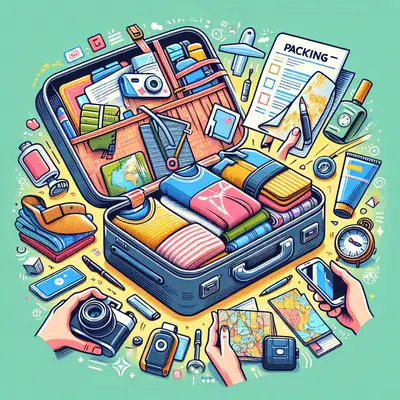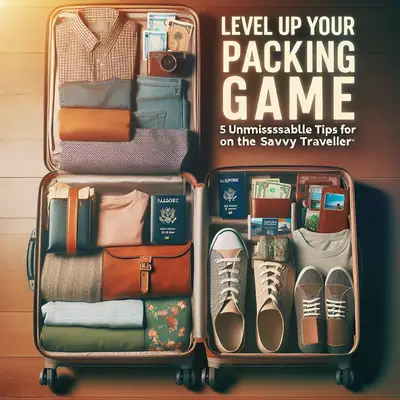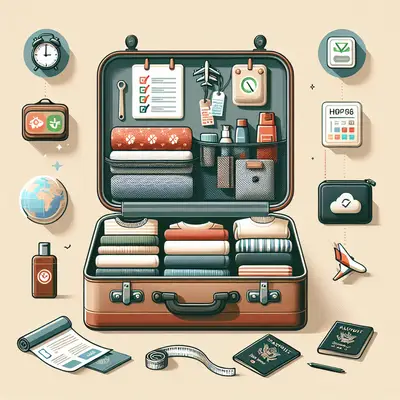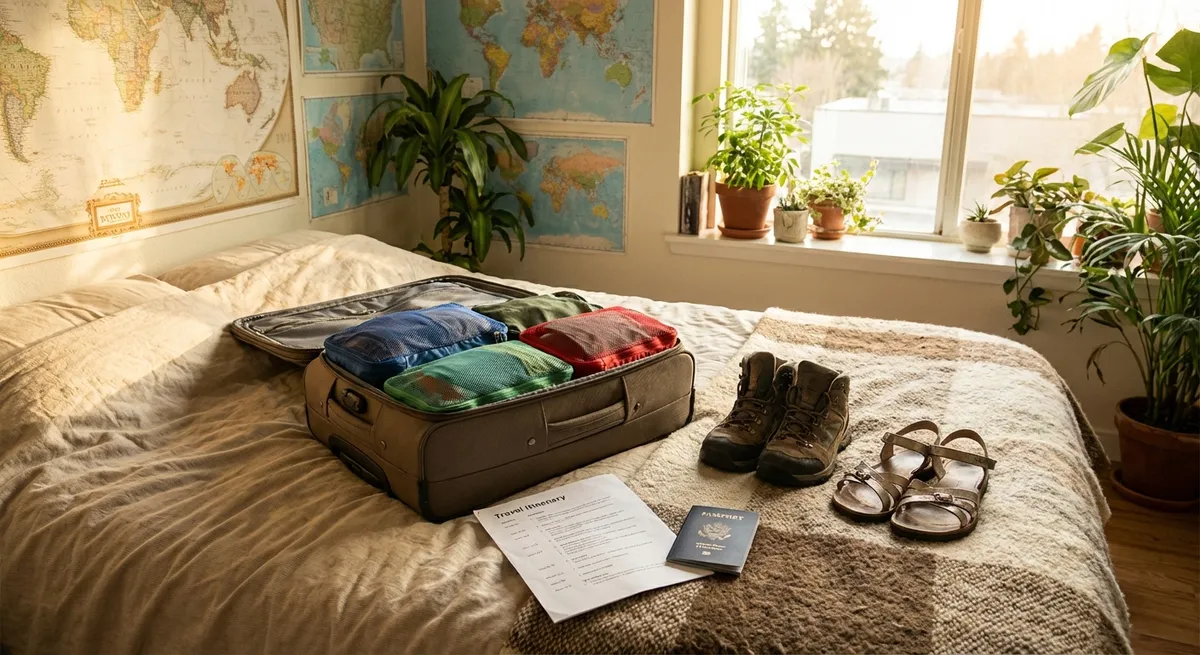
Packing isn’t about cramming your life into a suitcase—it’s about choosing the right tools for the adventure you actually booked. When you pack with purpose, you move faster, stress less, and have exactly what you need when you need it. These five practical, road-tested tips will help you turn packing from a frustrating chore into a strategic pre-trip win.
Start With Your Days, Not Your Stuff
Before you even touch your suitcase, map out your trip by days and activities, not by outfits or “just in case” items.
Look at your itinerary and list what each day realistically involves: walking, meetings, beach time, hiking, dinners out, travel days. For every activity, jot down the minimum you need: breathable layers for walking tours, one smart outfit mix for evenings, a single set of workout gear you can re-wear, etc.
This approach stops the common “what if” spiral that leads to four extra shirts and a stack of shoes you never wear. Instead of packing for imaginary scenarios, you’re packing for actual plans. A good benchmark: if you can’t point to the specific day or activity you’ll use an item, it probably shouldn’t come.
Bonus move: take a quick photo of your day-by-day list. On your return trip, compare what you packed with what you used. That quick reality check will make your next packing session even sharper.
Choose a Color System So Everything Works Together
One of the easiest ways to pack smarter is to build a simple color palette so your clothes mix and match without effort.
Pick:
- One neutral base (black, navy, tan, or gray)
- One secondary neutral (white, cream, or another soft tone)
- One or two accent colors you love
Now choose tops, bottoms, and layers that all fit inside that palette. That way, almost anything you pull out of your bag works with everything else. Three tops and three bottoms in a tight color system can create a surprising number of outfits, especially when you add one versatile outer layer.
This also solves the “I brought so much but have nothing to wear” problem. You’re not chasing variety—you’re building combinations. Shoes and accessories in neutral tones pull it all together and save space because you need fewer of them.
If you’re going somewhere with very different settings (say, city + beach), keep the palette cohesive but vary fabrics and styles: linen and cotton for warm days, one polished piece for evenings, one cozy layer for cool nights.
Pack in Layers, Not Heaviness
Instead of asking, “What’s the warmest thing I own?”, think in layers that can stack.
Light, breathable base layers + a mid-layer (like a light sweater or fleece) + a compact outer shell are far more adaptable than one giant chunky hoodie or heavy coat. Plan your bag around pieces that:
- Can be worn alone in mild weather
- Fit under or over other items without feeling bulky
- Dry reasonably quickly if they get wet
This layering approach is especially powerful when you’re traveling between climates or spending long days outside. You can adjust on the fly: take a layer off for indoor museums, add one for evening walks or drafty trains.
It also helps with packing space. Several thin layers roll or fold down much smaller than a single oversized piece and give you more flexibility. If you’re flying, wear your bulkiest but still comfortable layer on the plane to free up suitcase room.
Design “Grab-and-Go” Categories Inside Your Bag
Instead of treating your suitcase like one big open space, think of it as organized zones that match how you move through a day.
Set up small, clearly defined “grab-and-go” categories:
- Sleep kit: sleepwear, earplugs, eye mask, lightweight socks
- Wash kit: toiletries bag with travel-sized essentials, meds, toothbrush
- Daily carry kit: small pouch for chargers, power bank, adapter, headphones
- Weather kit: compact umbrella, packable rain jacket, small scarf or hat
Use packing cubes, zip pouches, or even resealable bags to keep each category together. That way, when you arrive late at night or change hotels mid-trip, you’re not digging through your whole suitcase for one tiny item—you just pull the category you need.
This system also makes it much easier to repack. Each category returns to its “home,” which reduces the chance you’ll leave something behind in a hotel drawer. Over time, you’ll refine your categories to match your travel style: maybe you add an “on-the-plane comfort kit” or a “camera and cables” kit.
Pack a Micro Laundry Plan Instead of Extra Clothes
You don’t need a full wardrobe if you give yourself a simple way to refresh what you bring.
Instead of packing extra outfits “just in case,” build a tiny laundry strategy:
- Bring a small, leak-proof bottle of concentrated detergent or laundry strips
- Pack a sink stopper and a lightweight travel clothesline or a couple of folding hangers
- Choose at least a few fast-drying fabrics (merino, technical blends, light cotton)
Plan to wash small loads in your hotel sink or at a laundromat halfway through your trip. Even a quick rinse of socks, underwear, and a couple of tops can stretch a compact wardrobe for much longer.
The payoff: fewer clothes, more space, and less weight to haul around airports, trains, and cobblestone streets. It also gives you freedom to travel longer with a smaller bag. If your destination has self-service laundry or hotel laundry options, factor that into your packing—knowing you can wash mid-trip lets you confidently leave extras at home.
Conclusion
Purposeful packing is less about being minimalist and more about being intentional. When you plan around your real itinerary, choose a flexible color palette, rely on layers, organize your bag into easy-to-grab categories, and build in a tiny laundry plan, your suitcase becomes a tool—not a burden.
The best test of a great packing job? You barely think about your stuff once you arrive. You’re too busy enjoying the trip.
Sources
- U.S. Department of State – Traveler’s Checklist - Official guidance on documents, safety, and preparation before travel
- Transportation Security Administration (TSA) – What Can I Bring? - Up-to-date rules on what you can pack in carry-on and checked bags
- Mayo Clinic – Jet Lag Disorder - Helpful for planning in-flight comfort and what to pack to reduce jet lag
- REI Co-op – How to Choose and Use Packing Organizers - Practical overview of packing cubes and organization systems
- CDC – Travelers’ Health - Guidance on health-related items to consider packing based on your destination
Key Takeaway
The most important thing to remember from this article is that this information can change how you think about Packing Tips.