The winners of the Nature Photographer of the Year 2025 were just announced, and the images are jaw‑dropping—foxes mid‑pounce, glowing fungi in misty forests, and stormy seascapes that look straight out of a fantasy film. These photos aren’t just pretty to scroll past; they’re a real‑time reminder that wild places are booming in popularity right now. More travelers are planning trips around epic landscapes and wildlife encounters than ever before.
But here’s the catch: the more remote and nature‑focused your trip is, the more your packing strategy matters. Miss one key layer, and that sunrise hike turns into a shivery regret. Forget how airline rules are changing, and those camera batteries or hiking poles might get you held up at security instead of racing the light to catch that perfect shot.
Let’s turn the hype around Nature Photographer of the Year 2025 into your personal packing advantage—whether you’re flying to Iceland’s black beaches, chasing autumn colors in Japan, or just doing a weekend cabin escape with serious photo ambitions.
Pack for the Shot, Not Just the Weather
Those award‑winning images didn’t happen at noon in perfect temperatures. Most were likely shot at golden hour, blue hour, or in downright uncomfortable conditions: fog, drizzle, wind, or deep shade under a forest canopy.
When you pack, think in terms of “photo moments,” not forecast icons:
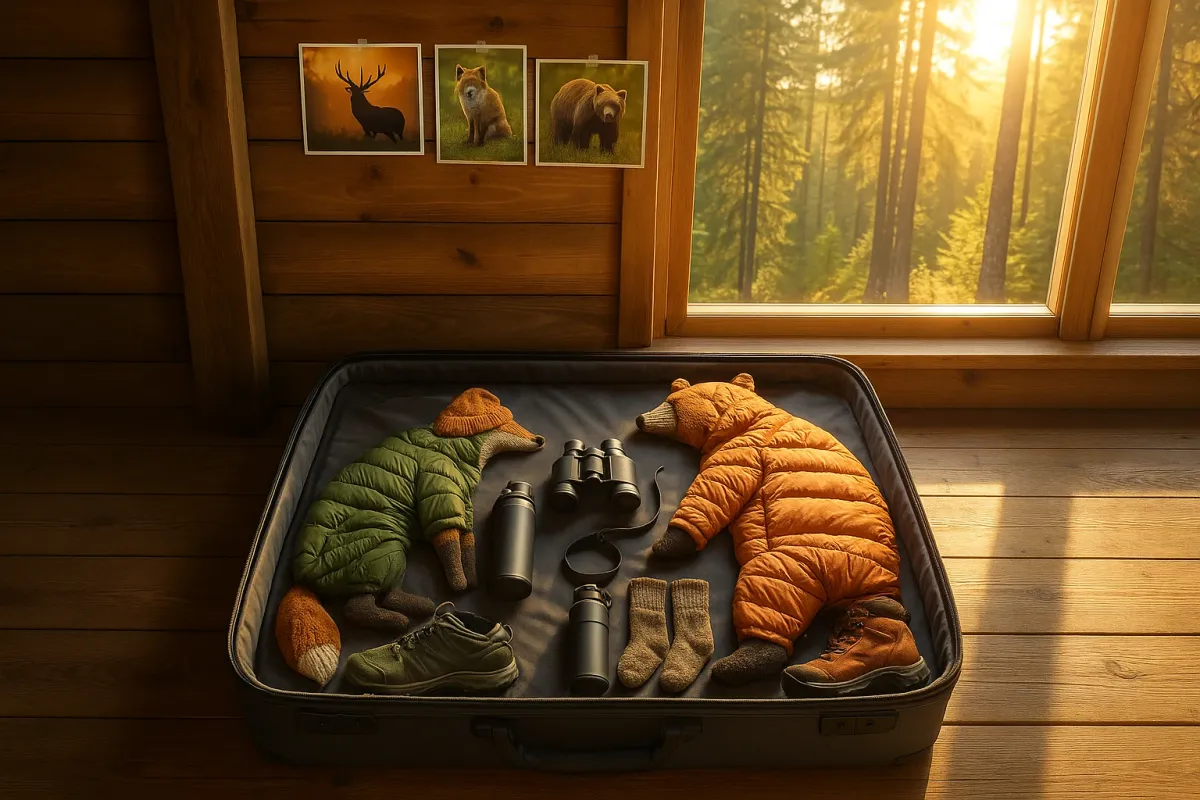
- Early‑morning chill layer: Even in “warm” destinations, dawn is cold. Pack a lightweight insulated jacket or synthetic mid‑layer that compresses small. Synthetic over down if you expect damp conditions—wet down is useless.
- Wind protection: Many winning shots come from coasts, ridges, and open plains. A packable windbreaker can make the difference between staying out for that wildlife moment or bailing early.
- Kneeling and sitting protection: To frame low‑angle shots like those mossy forest scenes, you’ll likely end up on the ground. Pack:
- Quick‑dry hiking pants instead of jeans
- A tiny foldable sit‑pad or even a cut piece of closed‑cell foam
- Glove strategy: For cold photography destinations, go for thin touchscreen liner gloves you can wear under a warmer pair. That way you can still operate your phone or camera without freezing your fingers.
Ask yourself: What time of day will I be outside the most? Pack layers for that specific window, not just the midday temperature.
Turn Your Carry‑On Into a Mobile Camera Safe
With nature travel and photo‑focused trips surging (thanks in part to contests like Nature Photographer of the Year trending on social feeds), airlines are seeing more passengers with cameras, drones, and tech. That means overhead bin space is competitive—and your packing needs to protect your gear even if bags get bumped around.
Build your carry‑on like a mobile camera bunker:
- Keep all critical electronics with you: Camera body, key lenses, drone (if allowed at your destination), laptop, SD cards, and chargers should never go in checked baggage.
- Use soft protection inside a regular bag: If you don’t own a dedicated camera backpack, use:
- Padded lens wraps
- A padded insert cube
- Thick socks or beanies as shock absorbers around fragile items
- Cable discipline: With more devices come more cables. Pack:
- One zip pouch just for charging cables and SD card readers
- Short cables (0.5–1m) to save space and reduce tangles
- Backup your shots during the trip: The 2025 winners didn’t risk losing everything to one unlucky moment. Pack:
- At least two SD cards
- A small SSD or thumb drive to back up your best shots at night
- Check airline rules before you pack batteries: Many carriers are tightening rules on lithium batteries. As of late 2025, most require:
- Spare lithium batteries (for cameras, drones) in carry‑on only
- Protective caps or tape over terminals
- Limits on bigger drone batteries—check your airline’s specific Watt‑hour maximum
If your checked bag disappears for a day, you should still be able to shoot, charge, and back up with what’s in your carry‑on.
Build a “Trail‑Ready” Day Kit Inside Your Main Luggage
Looking at the winning photos, you can tell many were taken hours away from the nearest café or shop. That’s your packing clue: don’t just think in terms of outfits—think in terms of a self‑contained day kit you can grab and go.
Inside your main suitcase or backpack, pre‑pack a small lightweight daypack with:
- Hydration
- Collapsible 1L–2L bottle or soft flask
- Optional: tiny water filter or purification tablets if you’ll be in remote areas
- Mini comfort kit
- Sunscreen stick
- Travel‑size insect repellent
- Lip balm with SPF
- A few blister bandages and basic plasters
- Weather “oh‑no” kit
- Ultralight rain shell or poncho
- Buff or neck gaiter (works as hat, mask, and wind protection)
- Foldable cap or beanie depending on climate
- Snack plan with a photographer mindset
- Pack non‑melting, non‑crumbling snacks you can eat one‑handed: nut bars, jerky, dried fruit
- Avoid noisy wrappers if you’re hoping to photograph skittish wildlife
- Light source
- Small headlamp: crucial if your golden‑hour hike back turns into blue‑hour reality. Don’t rely only on your phone flashlight.
When you arrive at your destination, you’re not repacking constantly—you just drop in that day’s essentials (camera, card, jacket), grab the pre‑built kit, and go catch that sunrise.
Choose Clothing That Works With Cameras and Nature
Scroll through the 2025 winning images and you’ll spot a theme: lots of earth tones, deep greens, and neutrals. Photographers prefer them because they don’t distract from the landscape or scare off animals—and they actually pack better, too.
Make your wardrobe do double duty for nature travel:
- Color strategy
- Neutrals (olive, tan, charcoal, navy, forest green) mix and match easily.
- They’re less likely to show dirt and look great in photos.
- Avoid all‑white outfits for outdoor days—mud and dust will find you.
- Quiet fabrics
- Skip stiff, noisy materials if you’ll be around wildlife; opt for softshells, merino, or brushed fabrics that don’t rustle loudly.
- Layer instead of bulk
- A base layer + light fleece + packable shell gives more flexibility than one huge coat.
- Layers dry faster and can be reworn, cutting down how much you need to pack.
- Footwear that respects the trail
- Lightweight hiking shoes or trail runners beat fashion sneakers on roots, rocks, and wet paths.
- Pack one set of quick‑dry socks per hike day, plus one extra “emergency” pair.
- Compact “town upgrade” outfit
- After a day shooting waterfalls or forests, you might head to a nicer restaurant.
- Pack one simple, dress‑up‑with-accessories outfit that doesn’t wrinkle easily—like a dark, breathable shirt or dress that pairs with the same shoes and jacket you wore on the trail.
If every clothing item works both for comfort in the field and looking decent in a photo, you’ll pack less but wear more.
Make Space for the Unexpected Shot
One thing the Nature Photographer of the Year 2025 gallery proves: the best moments aren’t always the ones you planned. Aurora shows up on a “cloudy” night, wildlife crosses the path you only took to avoid the crowds, or fog rolls in when you were expecting clear skies. Your packing should leave room—literally and mentally—for those surprises.
Build “flex space” into your luggage:
- Don’t fill your bag to 100%
- Aim for 80–85% full when you leave home. That leftover space can handle:
- A local fleece or hat you buy when it’s colder than expected
- A tripod or trekking pole if you decide you really want one
- Pack one multi‑use accessory that changes everything
- A sarong or large scarf can be: shade, blanket, privacy screen, or background for flat‑lay gear photos.
- A carabiner and short cord can become a mini clothesline, tripod weight, or a way to hang gear to dry.
- Portable phone power = more photos, less stress
- Bring at least one compact power bank and a short cable that lives with it.
- Keep it in the same pocket of your daypack so you’re never hunting for it when the sky suddenly explodes with color.
- Digital space counts as packing space
- Before your trip, clear your phone of old downloads and transfer old photos.
- Aim to arrive with at least 50–60% free storage for new shots and offline maps.
Leaving breathing room in your backpack and on your devices gives you the freedom to say yes when that unexpected trail, extra boat ride, or unplanned golden-hour moment appears.
Conclusion
The 2025 winners of Nature Photographer of the Year are sparking millions of “I want to go there” reactions around the world—and your bag can either make those dreams effortless or frustrating. By packing with photo moments, trails, and changing conditions in mind, you’re not just throwing clothes into a suitcase; you’re giving yourself the tools to stay out longer, move more comfortably, and actually enjoy the wild places you came to see.
Whether you’re shooting with a pro camera or just your phone, these packing tweaks will help you travel like the photographers behind those award‑winning shots: prepared, flexible, and ready when nature decides to put on a show.
Key Takeaway
The most important thing to remember from this article is that this information can change how you think about Packing Tips.