Packing doesn’t have to be a chaotic, last-minute scramble. With a few smart habits and a clear plan, you can turn any suitcase or backpack into a calm, organized basecamp for your trip. This isn’t about owning special gear or being ultra-minimalist—it’s about packing on purpose so you can travel lighter, move faster, and stress less.
Below are five practical, field-tested tips you can start using on your very next trip.
Start With a “Daily Routine Layout,” Not a Packing List
Instead of beginning with a giant list of things you might need, plan around what you actually do in a normal day on your trip.
Lay out your trip like this: wake up → get ready → daytime activity → evening → sleep. Now plug in what you’ll realistically need at each stage, based on your destination and plans.
For example, a city weekend might look like:
- Morning: underwear, socks, casual outfit, basic toiletries, any meds
- Daytime: comfortable shoes, light jacket, small bag, sunglasses, water bottle
- Evening: one “nice” outfit that can be reworn, compact grooming items
- Sleep: sleepwear you’re okay being seen in (for hostels or shared spaces)
This “routine layout” forces you to pack around real use-cases instead of “just in case” scenarios. Once the essentials for each part of your day are covered, then you can add one or two extras if there’s room.
Build One Power Outfit That Can Flex in Multiple Directions
Instead of packing five totally separate outfits, start by building one “power outfit” you can tweak:
- Neutral base: pants/shorts or a skirt that works with nearly everything
- Versatile top: something you’d happily wear in photos, at dinner, and on a long transit day
- Layer: lightweight cardigan, overshirt, or packable sweater
- Shoes: a pair you can comfortably walk 10,000 steps in and still wear to a casual restaurant
- One extra top that mixes with the same bottoms
- One piece of statement clothing (a scarf, shirt, or accessory) that adds personality
- One weather-appropriate backup (like a compact rain shell or sun hat)
- A cooler day (add the layer)
- A nicer dinner (swap in the statement piece)
- A relaxed day (repeat the base with a different top)
Then add a few small variations:
The aim is a small “clothing system” that can handle:
This reduces decision fatigue on the road and keeps your bag lighter, without feeling like you’re wearing the same thing every day.
Use the “First Night” Kit to Stay Calm When You Arrive
Even perfectly planned trips can start with delays, late check-ins, or lost luggage. A small “first night” kit keeps you functional and calm, even if the rest of your stuff is inaccessible for a few hours (or a day).
Pack this in your personal item or at the very top of your bag:
- Travel-size toothbrush, toothpaste, deodorant, and face wipes
- One set of underwear and socks, plus a simple sleep shirt
- Any critical meds for at least 24–48 hours
- A phone charger and any must-have cables/adapters
- A tiny zip pouch with earplugs and an eye mask if you’re sensitive to noise or light
The goal: you can shower, sleep, and charge your phone on Night 1 without tearing your entire bag apart—or panicking if a checked bag goes missing. This kit also makes red-eye flights and long train rides much more bearable.
Give Every Item a “Job Description” Before It Goes in Your Bag
Before you toss something into your suitcase, ask, “What is this for?” and force yourself to give a clear, realistic answer.
A simple rule:
- If an item does one job that appears once on your trip: think twice
- If it does two jobs or appears multiple times in your plans: strong candidate
- If it does three or more jobs: it’s a packing hero
- A sarong or large scarf: plane blanket, beach towel, picnic mat, modesty cover, light shawl
- A button-up shirt: sightseeing wear, light layer, slightly dressy dinner top, sun cover
- A small dry bag or packing cube: clothing organizer, laundry bag, beach bag
Examples:
This helps you leave behind single-purpose items that rarely earn their spot (like a bulky sweater for one “maybe” cold evening) and prioritize multi-use pieces that punch above their weight.
Create a Simple “Exit Layout” So Repacking Is Fast
Packing well once is easy. Packing well every time you move is the real challenge. A simple “exit layout” makes repacking almost automatic on departure days.
Here’s how to set it up:
- Assign each category a “home”:
- Cube/pouch for underwear and socks
- Cube/pouch for tops and bottoms
- Small bag for toiletries
- Dedicated spot for electronics and chargers
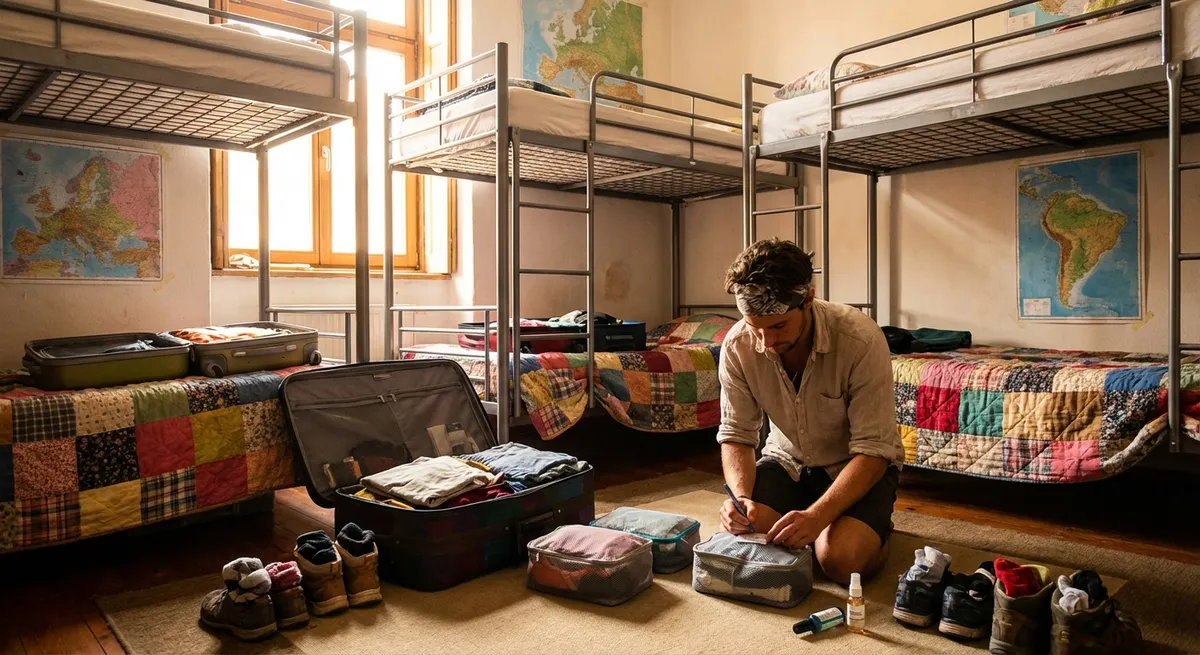
- On your last night in any place, lay your bag open and:
- Put all clean clothes back into their cubes
- Designate one small space for dirty laundry (even a spare plastic or tote bag works)
- Coil and return cables to the same pocket every time
Bonus move: place what you’ll wear the next day on top or in an easy-access pocket. When you leave early, you’re not tearing the room apart or jamming things into random corners of your bag.
Over a multi-stop trip, this “exit layout” saves energy, reduces lost-item anxiety, and keeps your bag feeling organized instead of steadily more chaotic.
Conclusion
Packing well isn’t about perfection or owning fancy gear—it’s about being intentional. When you plan around your daily routine, build a flexible core outfit, protect your “first night,” give every item a job description, and use a repeatable exit layout, you turn packing into a simple system you can rely on trip after trip.
The result: less time digging through your bag, fewer “I forgot…” moments, and more mental space to enjoy where you are. That’s what being truly travel-ready is all about.
Sources
- U.S. Department of State – Travelers Checklist - Official U.S. government guidance on documents, health, and safety prep before international trips
- Transportation Security Administration (TSA) – What Can I Bring? - Up-to-date rules on what’s allowed in carry-on vs. checked luggage, especially important for toiletries and electronics
- CDC – Pack Smart for Travel - Health-focused packing advice, including medications and preventive items for various destinations
- Mayo Clinic – Jet lag: Prevention - Helpful context for planning comfort and sleep-related items, especially for long flights
- REI Co-op – How to Pack a Suitcase - Practical techniques and examples for organizing clothing and gear efficiently in different types of luggage
Key Takeaway
The most important thing to remember from this article is that this information can change how you think about Packing Tips.