If you’ve scrolled through today’s feeds, you’ve probably seen those rare throwback photos of newly founded companies that later became global giants—tiny Amazon offices with hand‑drawn logos, Apple in a suburban garage, early Google cluttered with mismatched furniture. Those snapshots (like the ones highlighted in today’s viral “rare photos of newly-established companies” roundup) are a reminder of one thing: big things often start small and scrappy.
That “start lean, grow smart” mindset is exactly how you should be thinking about your suitcase right now. Whether you’re flying with ultra‑strict low‑cost carriers or just trying to travel lighter in 2025, packing like an early‑stage startup—efficient, flexible, and ready to scale—can completely change how you move through airports, trains, and city streets.
Here’s how to build a “minimal viable suitcase” inspired by how companies like Amazon, Apple, and Airbnb started small, iterated fast, and still managed to punch way above their weight.
Build a “Minimum Viable Wardrobe” (And Leave the Rest)
Startups begin with a minimum viable product: the simplest version that still works. You need a minimum viable wardrobe: the smallest set of clothes that still covers all your trip scenarios.
Instead of planning outfits, plan systems. Choose 2–3 base colors (black, navy, khaki, or gray) and commit. Every top should match every bottom. Think like Steve Jobs’ famous uniform: simple, repeatable, low‑decision. Pack lightweight layers instead of bulky single‑use pieces—a thin merino sweater over a T‑shirt beats a giant hoodie that only works on chilly evenings. For a week‑long trip, you can get away with 3 tops, 2 bottoms, 1 dress/one‑piece “upgrade” outfit, and 1 outer layer if everything mixes and matches. If an item can’t be worn at least three different ways, it doesn’t make the cut. Treat your suitcase like a startup budget: if something’s coming in, something else has to earn its place.
Prototype With Packing Cubes (And Iterate Like a Product Team)
Those rare early photos of tech giants show messy whiteboards and quick experiments everywhere. Do the same with your packing—prototype your layout instead of throwing things into your bag 20 minutes before you leave.
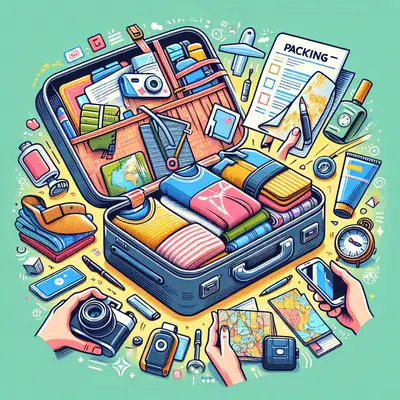
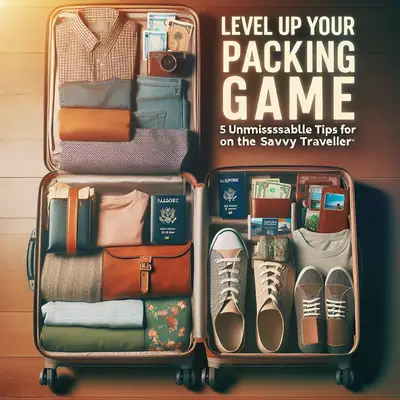
Lay everything on your bed and group it like a product roadmap: clothes in one zone, tech in another, toiletries, “nice to haves” in the last. Use packing cubes for each “department”: one for daywear, one for sleepwear/gym, one for underwear/socks, one for “dressier” outfits. This makes it obvious where you’re over‑investing—if one cube is bursting while the others are half empty, you’re bringing too much of the same thing. Time yourself: if it takes longer than 90 seconds to re‑pack after a test run, you’re overpacked. Edit until you can unpack and repack a carry‑on in under two minutes. That’s your signal you’ve built a streamlined, repeatable “product” that works for every leg of your trip.
Run a “Funding Round” on Your Liquids and Tech
Early‑stage companies watch every dollar; you should watch every gram. Instead of throwing your entire bathroom and home office into your bag, treat space like venture capital: you only “fund” the essentials that give the highest payoff.
For toiletries, decant everything into 30–50 ml travel bottles and apply a ruthless rule: if the place you’re staying probably has it (body wash, basic shampoo, soap), don’t bring your own unless you truly need something special. Solid toiletries—like bar shampoo, bar conditioner, and solid cleanser—are trending for a reason: they don’t count toward airline liquid limits and are nearly spill‑proof in your bag. For tech, imagine you’re a cash‑burning startup founder facing investors: you must justify every item out loud. Do you really need a full‑size DSLR if your phone camera is excellent? A separate tablet and laptop? Your third backup charger? Consolidate with a single multi‑port USB charger, one world adapter, and a short set of universal cables. If you can charge all your devices overnight from one outlet, you’ve done it right.
Design a “Go-To-Market” Outfit That Works in Any Airport
When companies like Airbnb and Uber went global, they crafted flexible playbooks that worked in different markets. Your travel outfit needs that same kind of versatility, especially now that airlines are enforcing stricter personal item rules and overhead bin space fills up instantly.
Wear your bulkiest pieces (sneakers or boots, jeans, jacket) on the plane to free up suitcase space and weight. Build a single, comfortable “go-to-market outfit” that can handle security, long-haul flights, and a surprise dinner when you land. That means breathable layers, pockets with zippers, and fabrics that don’t wrinkle easily—think jogger-style pants in technical fabric, a T‑shirt, and a smart lightweight overshirt or cardigan. Keep a mini “arrival kit” in your personal item—face wipes, toothbrush, a tiny deodorant, and one fresh T‑shirt—so you can level up your look in a bathroom in two minutes flat. You’ll step off the plane looking like you meant to arrive that put‑together, not like you lost a battle with your overhead bin.
Future‑Proof Your Bag With a “Scale-Up” Strategy
Those viral old photos of tiny offices hide a key truth: the founders were already thinking about scale long before they had it. Do the same with your packing. Plan not just for departure, but for how your bag will evolve during your trip.
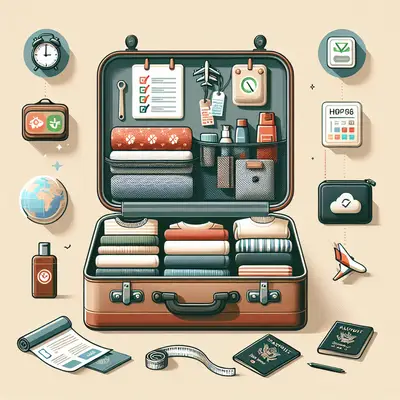
Leave a “growth margin” in your suitcase: one packing cube that’s half empty, or a lightweight packable tote you can unfold for souvenirs or groceries. Bring a flat, reusable laundry bag so dirty clothes stay contained and can easily be dropped into a laundromat or hotel wash service halfway through your trip—washing once can cut your packing volume nearly in half. Choose items that can adapt if your plans change: one pair of neutral sneakers that works for city walking and casual dinners, a wrinkle‑resistant dress or collared shirt that can swing from daytime exploring to a fancier restaurant. And keep a tiny “ops kit” in an outer pocket: a few zip‑top bags, a spare luggage tag, a photocopy of your passport, and a mini pen. When flights are delayed or plans shift, that little system keeps you moving while everyone else is digging through overstuffed bags.
Conclusion
Those rare photos of now‑massive companies in their scrappy early days are a perfect reminder: you don’t need more stuff; you need a smarter system. By treating your suitcase like a lean startup—building a minimum viable wardrobe, prototyping with packing cubes, funding only high‑value items, standardizing a go‑to travel outfit, and planning for scale—you’ll move through your entire trip with less weight and more freedom.
The next time you see an old shot of Jeff Bezos in that cramped Amazon office or Steve Jobs in a cluttered garage, let it be your cue: your bag doesn’t have to be big to be powerful. Start small, pack smart, and let your trip—not your luggage—take up all the space in your memory.
Key Takeaway
The most important thing to remember from this article is that this information can change how you think about Packing Tips.