Travel doesn’t have to be chaotic, expensive, or exhausting. With a few smart moves, you can turn “ugh, travel stress” into “wow, that was smooth.” These travel hacks are the kind that frequent flyers quietly rely on—practical, repeatable, and perfect for anyone who wants less friction and more fun on every trip.
Below are five traveler-approved strategies you can start using on your very next journey.
Hack 1: Build a “Departure Drawer” So You Can Pack in Minutes
If packing always turns into a last-minute scramble, this one habit changes everything.
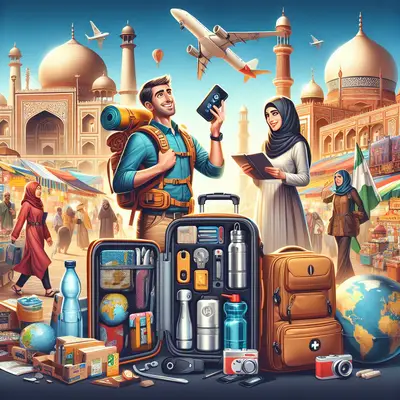
Create a small bin, drawer, or packing cube at home that is always pre-loaded with core travel items. Think of it as your “grab-and-go” kit so you never have to hunt for essentials or worry you forgot something.
What to keep in your departure drawer:
- Travel-sized toothbrush, toothpaste, deodorant, and face wash
- Extra phone charger and charging cable
- Universal power adapter
- Refillable 100 ml / 3.4 oz toiletry bottles (already filled)
- Sleep mask and earplugs
- Copy of your passport and any key documents in a simple folder
Each time you return from a trip, “reset” the drawer: refill toiletries, replace anything used, and put it back where it belongs. When it’s time to pack, you drop that entire kit into your bag and you’re 50% done—no mental checklist, no stress.
Travel-ready bonus: keep a short printed checklist in the drawer (medications, glasses, contact lenses, etc.). You’ll stop forgetting the small but crucial items that often derail a smooth start.
Hack 2: Lock in Better Flight Options by Tweaking Your Dates and Airports
You don’t need advanced algorithms to get more value from flights—just a bit of flexibility and strategy.
Instead of picking an exact date and airport, start with a window and a region:
- Search “whole month” or “flexible dates” on flight tools like Google Flights or Skyscanner. This shows you which days are dramatically cheaper or less crowded.
- Check nearby airports within 1–2 hours of your destination. A smaller or secondary airport can mean better prices, shorter lines, and easier transportation.
- Avoid peak hours when possible. Very early morning or late-night flights are often cheaper and less delayed. They can also mean faster security lines and higher chances of overhead bin space.
- Watch the total door-to-door time. A direct flight that’s slightly more expensive may save you hours of connections, delays, and airport food.
Once you identify a great date/route combo, you can plan the rest of your trip around those “anchor” flights instead of trying to force flights to fit rigid dates—this often saves both time and money.
Hack 3: Turn Your Phone Into a Travel Command Center (Before You Leave)
Your smartphone can either be your biggest travel asset or a dead weight. The difference is what you do before you take off.
Set yourself up like this:
- Download offline maps of your destination in apps like Google Maps or Maps.me, including areas around your hotel and main attractions. This saves data and can rescue you if you lose signal.
- Save key info for offline access:
- Hotel address in both English and local language (screenshot and notes)
- Reservation confirmations (airline, trains, tours)
- A photo of your passport ID page and visa (stored in a secure app or password manager)
- Create a travel folder on your home screen with your airline, hotel, translation, and rideshare apps. Put everything in one place so you’re not fumbling at the boarding gate.
- Turn on location sharing with a trusted contact while you’re traveling, especially if you’re solo. It’s a small safety net that costs nothing to set up.
- Learn a few offline-friendly phrases using a translation app: “hello,” “thank you,” “please,” “where is…,” and “I need help.”
By doing this prep at home, you’ll spend less time staring at your screen in confusion and more time actually enjoying where you are.
Hack 4: Use Smart Layers to Handle Any Weather With Fewer Clothes
Instead of stuffing your bag with “just in case” outfits, pack like a strategist: think layers and versatility instead of single-purpose items.
Aim for:
- Base layer: breathable T-shirts or tops that work alone in warm weather and under sweaters/jackets in cooler climates.
- Mid layer: a light sweater or fleece that can dress up or down and works on planes, trains, and chilly nights.
- Outer layer: a compact, packable jacket that is either water-resistant or fully waterproof depending on your destination.
- One “multi-purpose” outfit that’s nice enough for a dinner out but still comfortable enough for daytime exploring.
Stick to a simple color palette (e.g., black/white/blue or neutrals) so everything can be mixed and matched. This gives you more outfits from fewer pieces—a big win when you’re trying to keep your luggage under control.
Bonus space-saver: roll, don’t fold. Rolling clothes tightly and using packing cubes or compression bags can make a carry-on feel surprisingly roomy, while keeping your bag organized so you can actually find things.
Hack 5: Plan “Flex Time” Into Your Itinerary to Save Your Sanity
One of the most underrated travel hacks is building intentional breathing room into your trip instead of scheduling every hour.
Try this approach:
- Block your days into “anchors” and “floaters.” Anchors are fixed (a museum ticket, a food tour, a train). Floaters are optional activities that can move around depending on weather, energy levels, or local recommendations.
- Leave at least one open half-day for every 3–4 days of travel. This gives you space to:
- Recover from jet lag
- Explore a neighborhood that surprised you
- Go back to a café or viewpoint you loved
- Group activities by area so you’re not zig-zagging across the city. This saves time and transport costs and keeps the day feeling relaxed.
- Expect at least one thing to go “off script.” A delayed train, a sudden storm, or a closed attraction will bother you less if you’ve already allowed some cushion in your schedule.
This kind of “soft planning” lets you enjoy the best parts of both worlds: you still hit key experiences, but you also leave space for spontaneous discoveries—that tiny bakery, street performance, or viewpoint that becomes the best memory of your trip.
Conclusion
The most powerful travel hacks aren’t complicated—they’re repeatable habits that remove friction from every stage of your journey. A departure drawer, flexible flight searches, a smartly set-up phone, layered packing, and flex time in your itinerary all work together to make travel smoother, cheaper, and a lot more fun.
Pick just one or two of these to implement on your next trip. After you experience how much easier things feel, you’ll naturally start stacking more of them in. That’s how you become truly “travel ready”: not by doing more, but by doing the right things on autopilot.
Sources
- U.S. Department of State – Traveler’s Checklist - Official guidance on documents, safety, and preparation before international trips
- Transportation Security Administration (TSA) – What Can I Bring? - Up-to-date rules on carry-on and checked baggage items, including liquids and electronics
- Google Travel Help – Use Google Flights to find cheap flights - Explanation of flexible date searches and tools for comparing flight options
- CDC – Travelers’ Health - Health-related travel advice, vaccine recommendations, and destination-specific guidance
- Harvard Health Publishing – Sleep and the Traveler - Evidence-based advice on managing jet lag and improving sleep while traveling
Key Takeaway
The most important thing to remember from this article is that this information can change how you think about Travel Hacks.