Travel doesn’t have to feel chaotic, expensive, or exhausting. With a few smart tweaks before and during your journey, you can turn even a short getaway into a smoother, more affordable, and more fun experience. These aren’t the same old “roll your clothes” or “bring a neck pillow” tips—this is about making your trips feel lighter, more intentional, and way easier to manage.
Below are five practical, field-tested hacks you can start using on your very next trip.
Turn “Dead Time” into Travel Power Time
Every trip has built‑in dead zones: airport waits, train rides, long layovers, or that awkward hour before check‑in. Instead of scrolling aimlessly, turn those pockets of time into your secret travel advantage.
Save a “travel power list” to your phone with small, high‑impact tasks you can do offline: downloading local maps, starring must‑see spots, translating key phrases, or organizing digital copies of your bookings. Use flight or train time to mark offline walking routes in Google Maps, check opening hours for attractions, and identify one “anchor activity” per day (the one thing you absolutely want to do). This not only reduces planning stress later, it also helps you land in a new place with a flexible but clear game plan—without sacrificing your actual vacation hours.
When you treat transit time as your lightweight planning zone, you don’t need to spend your first evening hunched over your phone figuring out what to do tomorrow. You arrive ready, but not rigid.
Build a “Local Logistics Snapshot” Before You Land
One of the most underrated travel hacks is building a one-page “logistics snapshot” for each destination. Think of it as your personal cheat sheet for the city you’re about to step into—quick, simple, and incredibly powerful when you’re tired, jet-lagged, or offline.
Create a note on your phone with:
- How to get from the airport/station to your stay (exact bus/train numbers, approximate fares, and backup options).
- Local payment norms (card-friendly or cash-heavy, typical ATM fees, common scams).
- Emergency info (local emergency number, nearest hospital, your country’s embassy or consulate).
- Basic etiquette (tipping expectations, dress norms for religious sites, greetings).
- Opening hours quirks (like siesta hours or Sunday closures).
Most of this you can gather from official city/transport websites or tourism boards before you go. This single screen of info saves you from scrambling through countless tabs when you land, especially if you don’t have data yet. It’s particularly useful when you’re tired at arrival and just want to make one good decision at a time: get money, get to your stay, and grab food—without guesswork.
Treat Your Phone Like a Travel Command Center
Your phone is already your map, translator, and camera—but with a bit of setup, it becomes your portable travel control room.
Before you leave, do a “travel-proofing” session:
- Offline essentials: Download offline maps (Google Maps or Maps.me) and offline translation packs (Google Translate or similar) for your destination’s language. Star locations like your stay, transit hubs, and key attractions.
- Slimmed-down home screen: Create a “Travel” folder with your airline, accommodation, transit, weather, and messaging apps. Move nonessential, distracting apps (like social media) off your home screen so you’re not draining battery and focus.
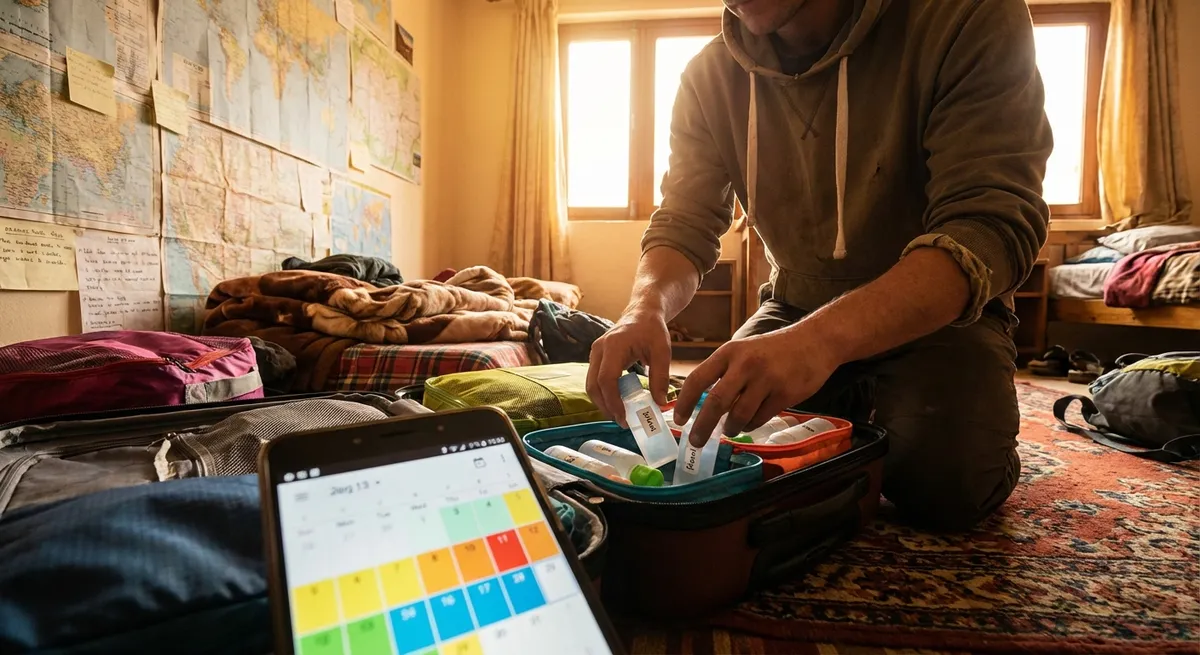
- Digital backup vault: Store photos or PDFs of your passport, visas, insurance, and tickets in a secure cloud folder + one offline note app. This can help if you lose documents or need info when you have zero signal.
- Battery strategy: Turn on battery saver early during long days, download music/podcasts for offline use, and lower screen brightness. A small power bank becomes far more useful when your usage is already optimized.
When your phone is intentionally set up for travel, you navigate more confidently and spend less time fumbling through apps while standing in the middle of a busy street or station.
Use “Anchor Spots” to Feel at Home Faster
Feeling disoriented is one of the sneaky energy drains of travel. A smart hack to feel grounded—especially in a new city—is to intentionally establish a few “anchor spots” early in your stay.
On your first day, identify:
- A go‑to café or bakery near where you’re staying.
- A reliable supermarket or convenience store.
- A simple, easy-to-reach meal option (bonus if it’s open late).
- A peaceful spot (a nearby park, quiet square, or waterfront).
Visit these early and note how to get to each from your accommodation—ideally by foot and public transport. Save them in your map app with clear labels like “Morning Coffee” or “Late-Night Food.”
Now, no matter how your day goes, you always know exactly where to get basics—coffee, snacks, water, a calm place to sit—without decision fatigue. These little “known” spots make a city feel familiar way faster, and having a fallback removes the pressure to nail the perfect restaurant or perfect plan on day one.
Master One Flexible “Plan B” for Every Day
Plans change. Weather shifts, museums close unexpectedly, trains get delayed, and some days you’re just more tired than you expected. Instead of rigid itineraries, use a simple, powerful hack: build a lightweight “Plan B” for each day.
When sketching your day:
- Choose your main activity or area (your “Plan A”).
- Then pick one easy, low-energy alternative nearby that still feels worth doing: a covered market if it rains, a small museum instead of a crowded landmark, a scenic tram or ferry ride instead of a long hike, a neighborhood to wander if a big attraction is sold out.
- Save Plan B locations on your map with a clear label like “Rainy-Day Backup” or “Low-Energy Option.”
This prevents that sinking “now what?” feeling when something falls through. You’re not clinging to a strict schedule—you’re choosing between two good options depending on how the day unfolds. It keeps your trip flexible while still feeling intentional and makes it easier to roll with delays, mood shifts, and surprise closures without frustration.
Conclusion
Travel feels completely different when you stop relying on luck and start relying on small, smart systems. Turning transit time into planning time, building a one-page logistics snapshot, setting up your phone as a command center, claiming anchor spots, and always having a light Plan B—these are subtle changes that add up to smoother, more confident trips.
Use even two or three of these hacks on your next journey, and you’ll likely find you make fewer rushed decisions, feel less stressed when things change, and have more energy left for the fun parts: wandering, discovering, and actually being present in the place you came to see.
Sources
- U.S. Department of State – Travel Advisories - Official government guidance on safety, local conditions, and entry requirements for destinations worldwide.
- Centers for Disease Control and Prevention – Travelers’ Health - Up-to-date health recommendations, vaccination advice, and destination-specific information for international travelers.
- Google Maps Help – Download offline maps - Step-by-step instructions on saving maps for offline use, essential for navigating without data.
- Google Translate Help – Use offline translation - Explains how to download language packs and use translation tools without an internet connection.
- UK National Cyber Security Centre – Securing your devices while traveling - Guidance on protecting your phone and data abroad, supporting the “digital backup” and phone setup tips.
Key Takeaway
The most important thing to remember from this article is that this information can change how you think about Travel Hacks.