Airports don’t have to be the stressful, energy‑draining start to your adventure. With a little strategy before you even leave home, you can glide from your front door to your hotel lobby with fewer lines, fewer surprises, and way more calm. Think of it as upgrading your entire travel day without paying for business class.
Below are practical, field-tested hacks you can start using on your very next trip. They’re simple, low-effort tweaks that tackle the biggest pain points: check‑in confusion, security bottlenecks, long waits, and that awkward “what now?” moment when you finally land.
Turn Your Phone Into a “Travel Command Center” Before You Leave
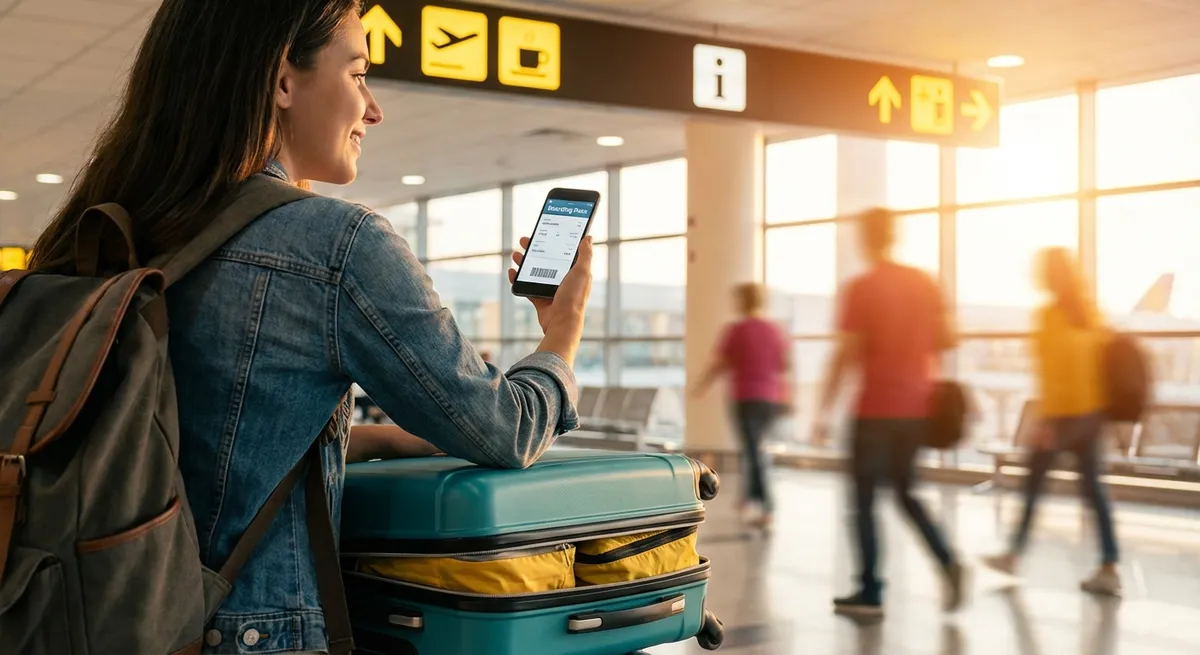
Instead of scrambling for confirmations at the airport, set your phone up like a mini travel cockpit before you ever call a ride. Create a dedicated “Trip” folder on your home screen and move your airline app, hotel app, rideshare app, and map app into it so everything you need is in one tap. Download your boarding passes and hotel confirmations for offline use—if airport Wi‑Fi fails or your data is spotty, you’ll still be ready at the gate or check‑in desk. Add your flight number as a calendar event with notifications turned on so you get automatic alerts about delays or gate changes. Take screenshots of the most important details (boarding pass barcode, hotel address, reservation codes) in case an app glitches right when you need it. Finally, store emergency numbers (airline, hotel, card provider) in your contacts under a “Travel – [City]” label so you don’t have to dig through emails if plans change quickly.
Beat Security Lines With a “Top Layer” Strategy
The difference between a slow, frustrating security line and a swift one often comes down to how you dress and pack your carry‑on. Before you leave home, think in layers: what will have to come off or out at security? Wear shoes you can slip on and off quickly, and avoid heavy jewelry, big metal belts, or bulky outerwear that adds time to your bin count. Pack your electronics in a single accessible pocket or sleeve in your backpack so you can slide laptops and tablets out in one smooth move instead of digging around. Place your liquids bag right at the top of your carry‑on or in a front pocket so you can grab it with one hand as you approach the trays. Empty your pockets while you’re still in line (into your bag, not a tray) so you’re not juggling keys, coins, and phone at the conveyor belt. This “top layer” mindset keeps everything you’ll need to show or remove within easy reach, shrinking that stressful minute at the scanner into a quick, confident routine.
Use “Split Storage” to Avoid a Total Travel Day Meltdown
Lost bag, spilled coffee, unexpected delay—one mishap doesn’t have to derail your entire first 24 hours if you spread out your essentials. Instead of putting all your important items in either your checked bag or your carry‑on, intentionally split them. Pack one change of clothes, crucial toiletries, and any medication in your personal item so you can comfortably survive a night if your checked luggage goes on an accidental solo trip. At the same time, don’t leave all your spare cards or extra cash in one wallet; stash a backup card and a bit of emergency cash in a different bag or even a hidden pocket. Keep digital copies of your passport and IDs in a secure cloud folder and offline on your phone so you’re not stranded if your documents get temporarily separated from you. This “redundancy” approach means that whenever something goes wrong—and eventually, something will—you’re inconvenienced, not stranded.
Turn Layovers Into “Power Stops,” Not Wasted Time
Instead of treating layovers as dead time, plan them like purposeful pit stops that set you up for the rest of your journey. Before your trip, check the airport map for your connection city so you know roughly where your arrival and departure gates might be, along with any quiet zones, lounges, or decent food options along the way. Decide what your priority will be during the layover: charging devices, refilling your water bottle, grabbing a real meal, stretching your legs, or catching a short nap. Pack a compact “layover kit” in your personal item—think charging cable, power bank, eye mask, light snack, toothbrush, and a fresh pair of socks—so you don’t have to tear apart your luggage in the terminal. If your layover is long, set an alarm on your phone for 45–60 minutes before boarding time so you can relax without constantly checking the clock. By walking into each connection with a mini game plan, even awkward mid‑journey stops become productive, restoring breaks instead of frustrating delays.
Make Your Arrival “Friction Free” With a First‑Hour Plan
Most stress actually hits after landing: figuring out transport, currency, language, and directions when you’re tired and disoriented. Before you fly, write a short “first hour plan” and keep it in your notes app or as a screenshot on your phone. Include the exact address of your accommodation (in the local language if needed), your preferred way of getting there (train, bus, rideshare, taxi), and any helpful phrases if you’re traveling somewhere with a different language. Download offline maps for your destination so you can navigate even without data, and star your hotel plus one or two key landmarks nearby. Decide ahead of time whether you’ll get cash at an airport ATM or rely on cards, and note backup options in case your first choice isn’t available. When you walk off the plane already knowing “Step 1, Step 2, Step 3,” you replace that heavy, post‑flight decision fatigue with a clear, calm routine that gets you to your room faster.
Conclusion
Smooth travel days don’t happen by accident—they’re built from a handful of smart choices made before you ever step into the terminal. By turning your phone into a travel hub, streamlining security, splitting your essentials, planning your layovers, and scripting your first hour after landing, you give yourself a quieter, more confident journey from home to hotel. Try layering in one or two of these hacks on your next trip, then add more as they become habits. The less energy you spend fighting airport chaos, the more you’ll have for the good stuff: exploring, connecting, and actually enjoying the adventure you set out for in the first place.
Key Takeaway
The most important thing to remember from this article is that this information can change how you think about Travel Hacks.