Some cities don’t truly wake up until the sun goes down. Neon reflections on wet streets, late‑night food markets, rooftop bars buzzing past midnight, and museums that stay open while the rest of the world is asleep—these are the places built for travelers who thrive after dark. If your dream itinerary starts at sunset and ends sometime before breakfast, this guide is your permission slip to plan around the night instead of the day.
Below, we’ll dive into a handful of incredible “nightfall cities,” what makes their evenings so electric, and how to plan an after-dark‑focused trip with five practical tips you can actually use.
Choosing Your Nightfall City: Different Vibes for Different Travelers
Not all nightlife is about clubs and loud music. The world’s best nightfall cities offer a spectrum of after-dark atmospheres—quiet, cinematic, chaotic, or luxurious—so you can match your destination to your personal “night mood.”
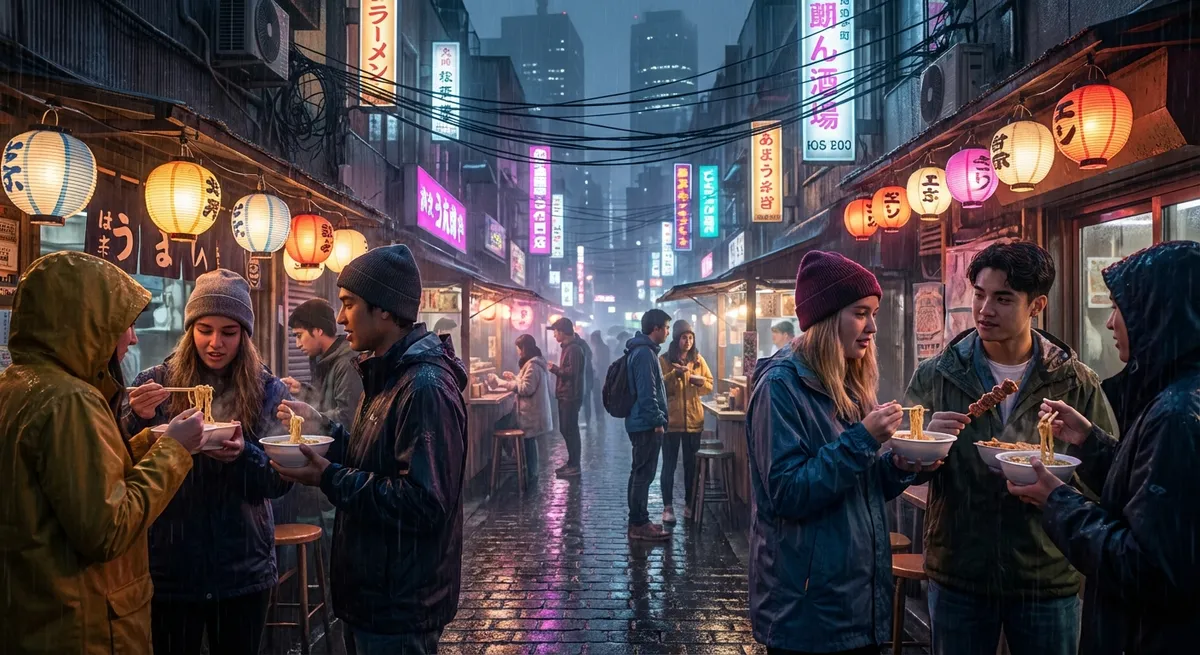
Tokyo blends futuristic energy with deeply traditional nighttime experiences. You can hop from a hushed lantern-lit alleyway izakaya to a multi-story arcade glowing with LED lights, then cap the night in a jazz bar hidden on the 9th floor of an unmarked building. It’s busy, but incredibly safe, even late.
Barcelona’s evenings are slow and social. Locals linger over tapas until late, then drift into music venues, rooftop terraces, and beach bars. Dinner often starts when some cities are already closing, so night owls fit right in.
New York City really does earn the “city that never sleeps” title. You can watch a Broadway show, grab a 1 a.m. slice of pizza, walk the Brooklyn Bridge at night, and end up at a 24‑hour diner without ever checking the time.
Seoul is a playground for late-night food lovers. Street stalls stay open into the early hours, themed cafes welcome lingering conversations, and karaoke rooms glow like beacons for friends who aren’t ready to go home.
Even quieter options exist for travelers who want night without the chaos: think Paris with its illuminated monuments and river cruises, or Singapore’s night safari and perfectly lit skyline. Once you know what kind of nights you want—romantic, high-energy, artsy, or foodie—it’s much easier to choose your city.
Planning Around the Dark: How to Build a Night-Centric Itinerary
Most itineraries center on daytime sights, but if you’re chasing nightfall experiences, flip that script. Start by listing what you most want to do after sunset in a particular city: night markets, rooftop bars, late museum hours, night hikes, river cruises, or live music.
Then, build your days backward from your nights. If you know you’ll be out until 2 a.m., don’t schedule an 8 a.m. walking tour. Instead, plan slow mornings: brunch instead of breakfast, a leisurely park visit instead of a dawn hike. Your energy is a limited resource—spend it where it matters most.
Check official calendars before you book flights. Some of the best night experiences run only on specific days: outdoor movie nights, museum late openings, street festivals, light shows, or seasonal night markets. Aligning your travel dates with these can transform a trip from “fun” to “unforgettable.”
Also, consider where you stay. For a night-focused trip, proximity to evening action matters more than being close to daytime tourist sights. Being able to walk or take a short ride back to your hotel at 1 a.m. feels dramatically different from a 45-minute commute when you’re tired and full of dessert.
Finally, keep one night open. The best night memories often come from spontaneous choices—following live music you hear from a side street, joining locals for a late bite, or returning to a place you loved the night before.
Five Practical Tips for Safer, Smoother Nights Abroad
Night travel can be magical, but it comes with extra logistics. These five practical tips will help you enjoy the dark hours with much less stress.
Tip 1: Lock in your late-night transport before you go out.
Before your first evening in a new city, figure out exactly how you’ll get back to your accommodation after midnight. Save the local taxi app (e.g., Uber, Bolt, Grab, FREE NOW) and add your hotel address as a favorite. Screenshot or download offline maps showing the route between your nightlife area and your hotel. Ask your hotel or host:
- Which taxi apps are legit and widely used?
- Are there night bus or metro lines that run late?
- Any areas to avoid when walking at night?
Deciding all this before you get tired means you’re not standing on a dark corner debating “Is this safe?” at 2 a.m.
Tip 2: Shift your eating schedule to match the city.
In many nightfall cities, everything starts later. In Spain, 10 p.m. dinners are normal. In some Asian cities, the best noodle stalls open at night. To avoid getting hangry, adjust your food routine: have a mid-afternoon “second lunch” and a light early evening snack so you’re energized for a late dinner. This also lets you enjoy night markets and dessert spots at their peak without feeling like you’re eating a fourth meal.
Tip 3: Build a simple “night kit” you always carry.
Your night-out bag should be smaller than your daytime one, but better curated. Include:
- A photocopy or digital copy of your passport (keep the original locked up)
- A power bank and short charging cable
- A hotel business card or screenshot of the address in the local language
- A small amount of cash plus one card, separate from your main wallet
- A lightweight layer or scarf (rooftops and waterfronts can get chilly, even in warm cities)
Keeping this kit ready lets you pivot from “quick dinner” to “sudden rooftop party invite” without a gear panic.
Tip 4: Use the “two-check rule” when going somewhere new at night.
If you’re heading to a bar, club, or venue you’ve never been to, check two sources before committing:
- Recent online reviews that mention safety, crowd vibe, and staff behavior.
- A local person’s perspective (hotel staff, tour guide, or a local friend).
If both checks feel positive, you’re likely in safe territory. If reviews are glowing but your hotel staff looks uncomfortable when you mention the place, consider that a subtle red flag.
Tip 5: Pair one “high-energy” night with one “gentle” night.
Night trips burn energy differently than regular sightseeing. To avoid crashing mid-trip, alternate intense nights out (clubbing, bar-hopping, long concerts) with softer ones (sunset walks, casual dinners, night markets, or night cruises). You’ll experience more variety and you’ll actually remember the late evenings because you’re not running on fumes every single night.
Night Experiences You Should Put on Your Bucket List
Around the world, some night experiences are worth planning entire trips around. In Hong Kong, the skyline along Victoria Harbour feels almost surreal after dark, especially viewed from the Star Ferry or a hilltop lookout. The city’s neon-soaked streets and late-night dim sum spots make evenings feel cinematic.
In Singapore, the Gardens by the Bay takes on a completely different personality at night. The Supertree Grove glows with light shows, and the walking paths are beautifully lit, creating a futuristic yet calming atmosphere. Nearby, Marina Bay’s skyline reflection across the water feels like standing in front of a live postcard.
Istanbul offers something more historic and moody. Mosques and minarets are floodlit, the Bosphorus sparkles with boat lights, and narrow alleys echo with clinking tea glasses and quiet chatter. Night cruises there can feel almost time-travel-like, with ancient silhouettes against modern city lights.
Bangkok’s night markets transform ordinary evenings into sensory overload—steaming food stalls, bargain shopping, live music, and enough dessert options to justify another hour of wandering. Many visitors say their most vivid memories aren’t from temples in daylight, but from tuk-tuk rides and random side-street stalls long after sunset.
Even classic “day cities” like Rome have powerful nighttime personalities: the Colosseum lit up, almost empty piazzas, and late gelato walks through cobblestone streets. The same landmarks you jostle crowds for at noon become quietly magical when the groups go to sleep and the lights come on.
Balancing Nightlife With Rest, Budget, and Well-Being
It’s easy to let night trips spiral into overspending, under-sleeping, and exhausted days, but it doesn’t have to be that way. Start with a simple rule: treat your evenings like “prime excursions” instead of unplanned extras. If you know you’ll splurge on a rooftop bar or late show, skip an overpriced day tour you’re not excited about. Prioritizing like this keeps your budget aligned with what actually brings you joy.
Sleep is the other major factor. Decide your minimum sleep hours for travel (for many people, it’s around six) and work backward. If you want to catch a 10 a.m. brunch and need time to get ready, don’t pretend you can stay out until 5 a.m. every night. Night-focused trips are marathons, not sprints—you’ll appreciate the city more if you’re not constantly exhausted.
Remember that daylight still matters, too. Some of the best city views come from seeing the same place twice: at golden hour just before sunset and then again after dark once the lights flick on. Planning a short afternoon rest can free you up to happily wander through both without dragging your feet.
Finally, listen to your own social battery. If you’re introverted, a peaceful nighttime river walk or late museum opening might energize you more than a packed club. If you’re extroverted, communal street food tables and music venues may be your sweet spot. The real win is designing nights that feel like you, not like someone else’s idea of “proper nightlife.”
Conclusion
Nightfall cities are proof that travel doesn’t end when the sun goes down—it just changes costume. Whether your ideal evening is getting lost in neon-lit alleys, sharing tapas at midnight, or watching a river shimmer under city lights, planning specifically around the after-dark side of a destination opens up a whole new layer of travel.
Choose cities whose nights match your vibe, build your days backward from the evenings you’re excited about, and use simple, practical habits—preplanned transport, a smart night kit, and alternating high-energy with gentle nights—to keep everything safe and enjoyable. The world’s most memorable moments often happen after most travelers have gone to bed; if you’re ready to stay out a little longer, there’s a whole different version of every city waiting for you.
Sources
- Japan National Tourism Organization – Tokyo Nightlife - Overview of nightlife districts, late-night dining, and entertainment in Tokyo
- NYC Official Guide – Things To Do at Night - Official city recommendations for evening and late-night experiences in New York City
- Barcelona Turisme – Nightlife and Entertainment - City tourism board guide to Barcelona’s evening culture, bars, and late-night areas
- Singapore Tourism Board – Night Attractions - Highlights of Singapore’s after-dark attractions, including Gardens by the Bay and Marina Bay
- Hong Kong Tourism Board – Nightlife & Entertainment - Official resource on Hong Kong’s evening harbor views, markets, and entertainment options
Key Takeaway
The most important thing to remember from this article is that this information can change how you think about Destinations.