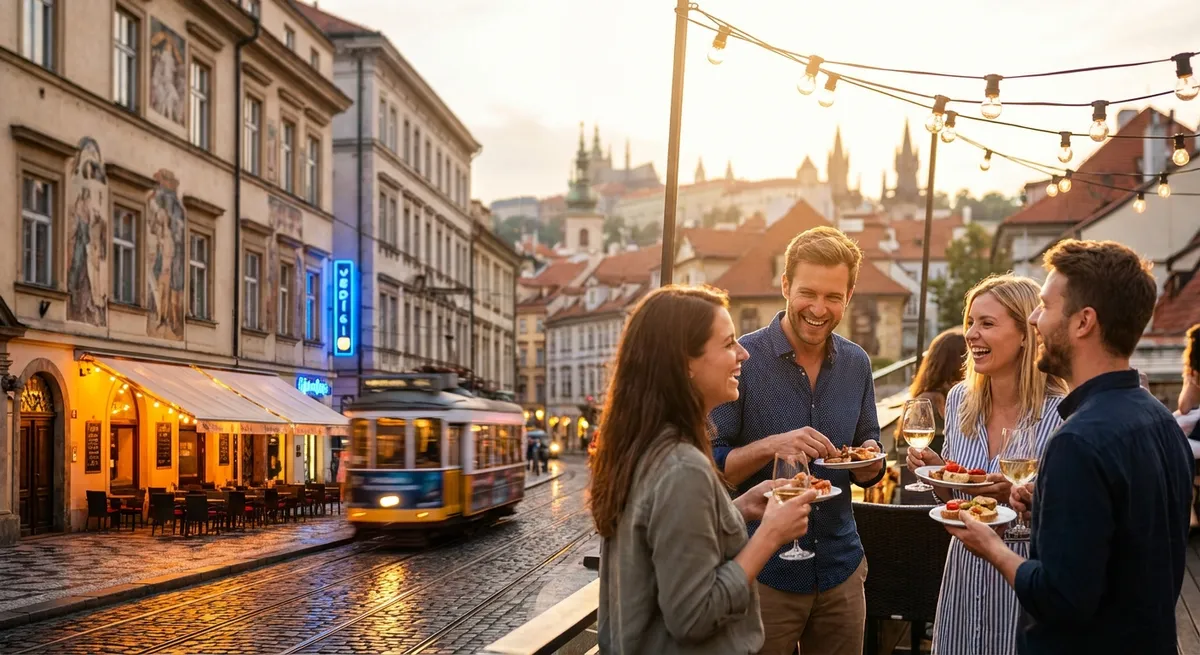
Some destinations are made for early mornings and museum marathons. Others don’t truly wake up until the sun goes down. If you love lingering dinners, golden-hour views, and streets that get more interesting after dark, choosing a night-friendly city can completely change how you travel. This guide walks you through what makes a destination shine after sunset—plus five practical tips to help you plan smarter evenings wherever you go.
What Makes a City Great After Dark?
Night-friendly cities mix safety, atmosphere, and things to do once the daytime attractions close. You’re looking for more than just “good nightlife.” Think walkable neighborhoods where cafés, restaurants, and small bars stay open late; well-lit streets with other people around; and public spaces that feel alive, not abandoned.
In European cities like Barcelona or Lisbon, dinner often starts at 9 p.m., and strolling after your meal feels like joining a city-wide ritual. In Tokyo, neighborhoods such as Shinjuku and Shibuya light up with neon, late-night ramen spots, and 24-hour convenience stores that double as mini cultural experiences. In New York or Chicago, theater districts, rooftop bars, and night-time river walks give you multiple ways to spend your evening beyond just going out for drinks.
When you’re choosing destinations, look at more than the nightlife reputation. Search for “late-night cafés,” “evening markets,” “night river cruises,” “open-air concerts,” or “night museums.” These are clues that the city is designed to be enjoyed after dark, not just endured between sunset and bedtime.
Tip 1: Plan Your Days Backwards From the Evening
If you’re visiting a city that’s best at night, plan your itinerary around the evening instead of cramming everything into daytime hours. Start by picking your “anchor” activity for each night: maybe a sunset viewpoint, a night market, a night-time food tour, or a live show.
Once that’s set, build the rest of your day around it:
- Visiting a city with a spectacular skyline, like Hong Kong or Dubai? Make your daytime schedule lighter so you’re not exhausted for a night harbor cruise or rooftop lookout.
- In cities known for long dinners (think Rome, Buenos Aires, or Istanbul), leave space between afternoon sightseeing and your evening meal so you can enjoy it slowly—order that extra course, linger over dessert, and people-watch.
- If there’s a night-only experience, like a lantern-lit temple visit in Kyoto or a night safari in Singapore, treat it as the main event; do fewer high-effort activities during the day so you’re fresh and alert later.
This “evening-first” approach ensures you have the energy and mindset to appreciate the city when it’s at its best, instead of feeling like you’re just staying up late out of obligation.
Tip 2: Use Transit Like a Local Night Owl
Getting around safely and confidently after dark can make or break your experience. Before you even arrive, research how locals move around at night so you’re not scrambling for options when you leave a restaurant at 11 p.m.
Check these details in advance:
- Public transit hours: Many cities (like London or Seoul) run late-night or 24-hour routes on certain lines, while others shut down earlier than you’d expect. Note last-train times and your nearest late-night bus stops.
- Ride-hailing norms: In some destinations, ride-hailing apps are widely used and regulated; elsewhere, official taxis are safer and more reliable. Save your hotel address and a few key locations in the local language in your phone.
- Walkability at night: Look for well-lit main streets with steady foot traffic. Even if your hotel is only a 10-minute walk away, it’s better to choose a route where you’re around other people and open businesses.
When possible, test your route in daylight—walk from your hotel to the nearest station, bus stop, or main square. That way, returning after dark feels familiar, and you’ll know exactly where you’re going instead of fumbling with maps on a quiet street.
Tip 3: Time Your Meals and Snacks to the Local Rhythm
Every city has its own food clock, and aligning with it can unlock a more authentic and relaxed experience—especially at night. In some destinations, eating “on your usual schedule” means you’ll find everything closed… or only tourist traps open.
- In Mediterranean cities (like Madrid, Athens, or Naples), locals often eat dinner late. Instead of getting frustrated waiting for kitchens to open, embrace the rhythm: have a mid-afternoon snack, then plan a proper dinner around 9–10 p.m.
- In many Asian cities, night markets in places like Taipei or Bangkok become the real dining room after dark. Plan a light breakfast and lunch so you can try more stalls and street foods later without feeling too full.
- In North American or Northern European cities where restaurants close earlier, aim for an earlier dinner and then shift into dessert cafés, wine bars, or late-opening cultural spots so your night still has layers.
You’ll enjoy evenings much more if you’re not stuck hunting for food on an empty stomach. Make a short list of 3–5 night-friendly food options near where you’ll be—some casual, some more special—so you always have a game plan when hunger kicks in at 9 or 10 p.m.
Tip 4: Build a “Night Comfort Kit” for Every City
Even if you’re not packing heavy, a simple “night comfort kit” can make staying out later feel easy instead of draining. The idea is to keep a few small items in your bag that help you handle changing temperatures, long walks, and those “this looked closer on the map” moments.
Consider adding:
- A thin extra layer (light sweater, scarf, or packable jacket) for when the temperature drops after sunset, even in warmer destinations.
- A small reusable bag in case you stop at a market, grab street food to-go, or end up with souvenirs from a night fair or craft market.
- A power bank and short charging cable so your phone doesn’t die just when you need directions or a ride.
- Basic comfort items like lip balm, hand sanitizer, and a couple of pain relievers or motion-sickness tablets, since pharmacies may be closed late.
- If applicable, a modest cover-up (shawl or light shirt) for evening visits to religious or traditional sites that remain open at night.
These little details are easy to overlook but make a big difference. When you’re comfortable and prepared, you’re more willing to wander a bit longer, sit by the water, listen to a street musician, or say yes to “one more stop” instead of heading straight back to your room.
Tip 5: Mix “Big Nights” With Gentle Evenings
Not every evening has to be high-energy or jam-packed. The best night-friendly cities offer both: big, memorable experiences and quieter nights that still feel special. Planning this mix keeps you from burning out while still making the most of after-dark hours.
Think about alternating:
- One night with a major event (a concert, a big night market, a late dinner in a buzzy neighborhood)
- Followed by a gentler evening (a riverside walk, a casual dessert spot, a quiet rooftop view, or simply sitting in a square with a drink and people-watching)
In cities like Paris or Prague, for example, you might spend one night on a boat cruise or at a major attraction’s late opening hours, then the next just wandering along the river and finding a cozy wine bar. In places with bustling street life like Mexico City or Ho Chi Minh City, “gentle evenings” can be as simple as sitting on a busy corner, slowly enjoying snacks and soaking in the energy.
This balance gives you recovery time without feeling like you’re “wasting” a night. It also lets you pay attention to small details—the way a neighborhood sounds at 10 p.m., how families and friends use public spaces, and what the city feels like when you’re not rushing from one reservation to the next.
Conclusion
Choosing night-friendly cities and planning with the evenings in mind can completely transform your trips. You’re not just seeing monuments and museums; you’re experiencing how a place truly lives after dark—through its food, streets, conversations, and small rituals. By planning from the evening backward, understanding local transit and meal rhythms, carrying a simple night comfort kit, and mixing big nights with gentle ones, you’ll unlock a calmer, richer, and more memorable side of every destination.
Next time you plan a trip, don’t just ask, “What is there to do during the day?” Ask, “What does this city feel like at night—and how can I be ready to enjoy it?”
Sources
- U.S. Department of State – Country Information - Official safety and local conditions guidance for destinations worldwide
- OECD – Night-time Economy and Local Development - Overview of how night-time activities shape cities and traveler experiences
- Visit Barcelona – Nightlife & Evening Plans - Example of how one major city structures its official night-time suggestions
- Japan National Tourism Organization – Nightlife & Evening Activities - Shows different types of culturally focused night activities beyond bars and clubs
- Transport for London – Night Tube and Night Overground - Real-world example of how major cities organize night transit and late services
Key Takeaway
The most important thing to remember from this article is that this information can change how you think about Destinations.