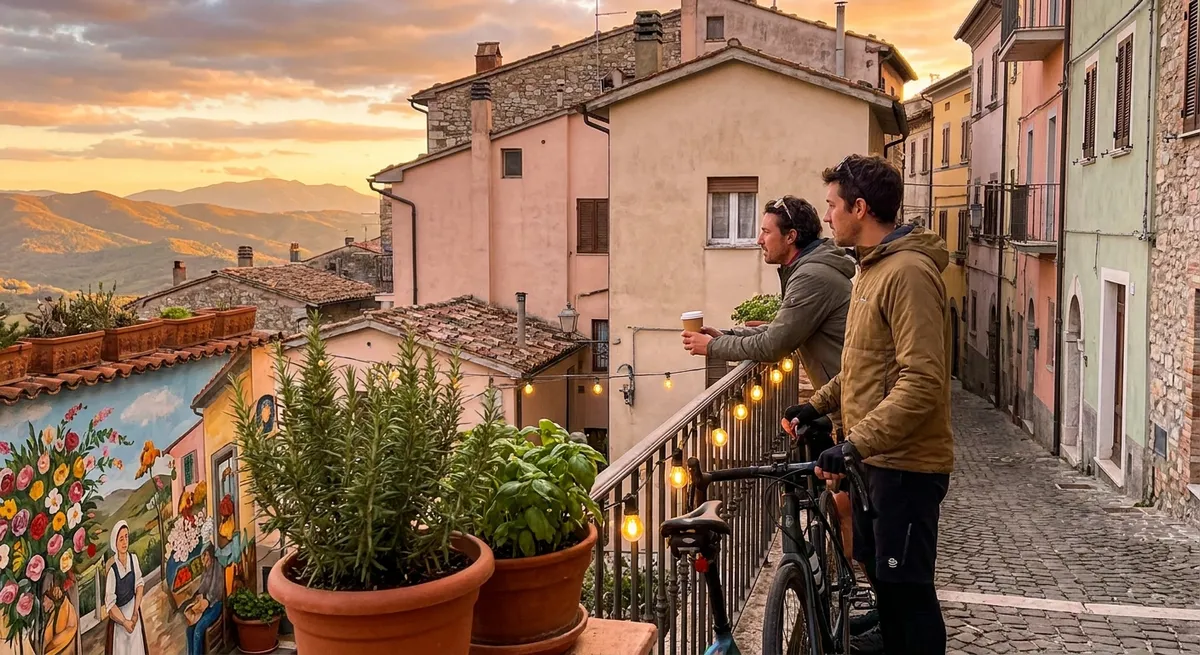
Sometimes the most unforgettable trips don’t happen in capital cities or famous beach towns—they happen in the “in-between” places. Those smaller cities and under-the-radar urban pockets where café owners remember your name, street art tells local stories, and the main square doubles as everyone’s living room.
Welcome to the world of micro‑city escapes: compact destinations with big character. Whether you’re planning a long weekend or tacking a side trip onto a bigger journey, these spots can deliver culture, food, and atmosphere without the crowds or price tag of global hotspots.
Why Micro-Cities Belong on Your Travel Radar
Micro‑cities—think places like Ghent instead of Brussels, Bologna instead of Rome, or Asheville instead of Atlanta—offer a sweet spot between village charm and big‑city energy.
They’re often more walkable, easier on your budget, and more relaxed than their mega‑city neighbors. Because they’re less overrun, you get to see how people actually live: the weekday rhythms, the local markets, the quiet side streets that never make it to TV ads.
Even better, many micro‑cities sit on major train or bus lines or are a short drive from big airports. That means you can build them into a wider itinerary without a ton of logistics. They’re perfect for:
- A 3–4 day refresh without using all your vacation days
- A “base camp” for regional day trips into nature, wine regions, or historic towns
- Slowing down after a few intense days in a major capital
The key to enjoying them is approaching them differently: less checklist, more curiosity, and a willingness to lean into local routines.
Tip 1: Use “Hub and Spoke” Planning to Unlock the Region
One of the biggest advantages of small and mid‑sized cities is how well they work as hubs. Instead of racing between multiple hotels, you can unpack once and explore outwards in easy day trips.
Here’s how to do it:
- Pick your hub based on trains, not fame. Look for cities that sit on major rail or bus routes. In Europe, sites like Eurail’s rail planner or national railway maps show which smaller cities have strong connections. In the US or Canada, check Amtrak or regional bus networks.
- Draw a 90‑minute circle. Anything reachable within about 90 minutes makes a painless day trip. From a place like Lyon, for example, that 90‑minute radius can include vineyards, alpine foothills, and medieval towns.
- Group your days by direction. Instead of zigzagging, cluster day trips on the same train line or highway. You’ll save both time and mental energy.
- Balance “out there” with “in town.” Alternate outward‑facing days (villages, hikes, beaches) with days where you stay in the city, explore neighborhoods, and enjoy slower mornings. Your body and brain will thank you.
By treating a micro‑city as your “home base,” you get the comfort of familiarity—your go‑to bakery, the same tram line—while still seeing a whole region.
Tip 2: Let Food Markets and Cafés Guide Your First 24 Hours
When you touch down in a new micro‑city, skip the temptation to rush straight to the most famous sight. Instead, orient yourself through your stomach—markets and cafés are where these destinations really come alive.
Here’s a simple 24‑hour game plan that works almost anywhere:
- Morning: Walk to the main food market or central square. Order a coffee or local breakfast item, then do a slow loop through the market. Notice what’s seasonal, what stalls are crowded, and what people are actually buying. This instantly tells you what the region cares about.
- Late morning: Ask two or three vendors or baristas, “If your best friend visited for just one day, where should they eat?” You’ll start spotting patterns in their answers—and probably discover places that don’t show up in the top 10 tourist lists.
- Afternoon: Follow the coffee trail. Pick one local café that feels like a community living room and sit for at least 30 minutes. Watch how people interact, what they’re ordering, and how quickly or slowly they move. This helps you tune into the city’s pace before you build your schedule.
- Evening: Try a restaurant or street‑food spot recommended by locals. As you pay the bill, ask the staff what neighborhood you should wander afterward. Most people are delighted to steer you toward their favorite streets.
Using food as your compass in those first 24 hours sets you up with local intel and a strong sense of place. It also keeps jet lag at bay by giving you gentle structure without overloading your brain with museums and long lines.
Tip 3: Design a “Neighborhood Day” Instead of a Checklist Day
Big cities often push you into checklist mode: must-see museum, must‑do viewpoint, must‑eat restaurant. Micro‑cities reward a different style: picking a single neighborhood and really inhabiting it for a day.
Here’s how to shape a satisfying “neighborhood day”:
- Choose a district with layers. Look for somewhere with at least: one main street, a few side alleys, a green space or riverfront, and a mix of old and new buildings. Tourist office maps or quick online searches for “creative district,” “student quarter,” or “historic center” usually reveal good candidates.
- Anchor yourself with three “light commitments.” Pick:
- One cultural stop (small museum, local gallery, historic church, community center exhibit)
- One food experience (a lunch counter, bakery trail, or local specialty)
- One “slow” activity (park bench, riverside walk, people‑watching square)
- Leave the rest unscheduled. Between those three anchors, give yourself permission to follow your nose. Step into courtyards, peek into bookstores, and say “yes” to detours.
- Switch walking styles. Spend part of the day meandering side streets, then walk the main commercial street with purpose. This contrast helps you see both the “everyday” city and its showpiece.
A good neighborhood day leaves you feeling like you’ve lived a little slice of local life instead of just collecting landmarks.
Tip 4: Time Your Visit Around Local Rhythms, Not Just the Weather
Weather matters, but in smaller destinations, local rhythms can have an even bigger impact on your experience than sunshine or rain.
When choosing dates for a micro‑city escape, pay attention to:
- Market days and weekly closures. Some towns come alive on specific days when farmers’ markets or flea markets take over the center. Others turn quiet when shops close on Sundays or Mondays. Check the city’s tourism website or local municipality page for typical schedules.
- Festivals and cultural events. A local food fair, music festival, or seasonal celebration can transform a small city into a buzzing cultural hub. It can also affect prices and availability. Decide whether you want that energy—or prefer the calm just before or after.
- University calendars. In student cities, term time changes everything: more nightlife, cheaper eats, and busy cafés. During university breaks, the city may feel quieter, with a different vibe entirely.
- Religious or national holidays. In some destinations, holidays mean parades and street celebrations; in others, they mean closed shops and limited public transport. Researching major holidays in advance saves frustration and helps you choose whether to lean in or avoid them.
By planning around how locals actually use their city—rather than just checking average temperatures—you’re more likely to land in the version of the destination that matches your travel style.
Tip 5: Build a “Local Lens” with Small Daily Rituals
In big cities, it’s easy to feel anonymous. In smaller urban destinations, you can become a recognizable regular in just a few days. That small familiarity makes travel feel richer and safer, and it doesn’t take much effort to create.
Add simple daily rituals like:
- The same morning stop. Visit the same bakery or café each morning. By day three, the staff will likely start greeting you more warmly, maybe even remembering your order. This mini‑routine helps you feel anchored.
- A favorite bench or viewpoint. Pick one spot to visit every afternoon or evening—even for five minutes. Watching how the light changes and how different people pass through gives you a quiet, satisfying sense of belonging.
- A “hello circuit.” On the second or third day, make a point of waving or saying hello to anyone you’ve interacted with before: the person at the corner store, the host at last night’s restaurant, the neighbor with the dog you always see. Micro‑cities thrive on these micro‑connections.
- One repeated walk. Choose a short route (hotel to riverfront, tram stop to square) and walk it at different times of day. You’ll start noticing deeper layers: early‑morning deliveries, school runs, evening strollers, late‑night hangouts.
These small, repeatable habits pull you out of “tourist mode” and into “temporary local” mode, even over a single long weekend.
Conclusion
Micro‑city escapes prove that you don’t need world‑famous skylines to have world‑class trips. By using smaller cities as hubs, letting markets guide your first impressions, dedicating whole days to single neighborhoods, syncing with local rhythms, and building tiny daily rituals, you unlock a different kind of travel: slower, more personal, and surprisingly memorable.
Next time you’re planning a big‑name destination, take a look at the map and see what smaller urban gems sit 60–90 minutes away. That side step off the usual path might just become the highlight of your entire journey.
Sources
- UN World Tourism Organization – Tourism Data Dashboard – Offers global tourism statistics and trends that highlight the growing interest in secondary destinations and sustainable travel.
- Eurail – European Rail Map – Provides an overview of train connections across Europe, useful for spotting smaller cities that work well as regional hubs.
- U.S. Department of Transportation – Amtrak Routes & Schedules – Links to intercity rail options in the U.S., helping travelers identify mid‑sized cities accessible by train.
- European Commission – EU Tourism Policy – Discusses strategies to promote sustainable tourism and lesser‑known destinations across Europe.
- National Geographic – Why Small Cities May Be the Future of Travel – Explores how travelers are increasingly drawn to smaller urban centers and what makes them compelling.
Key Takeaway
The most important thing to remember from this article is that this information can change how you think about Destinations.