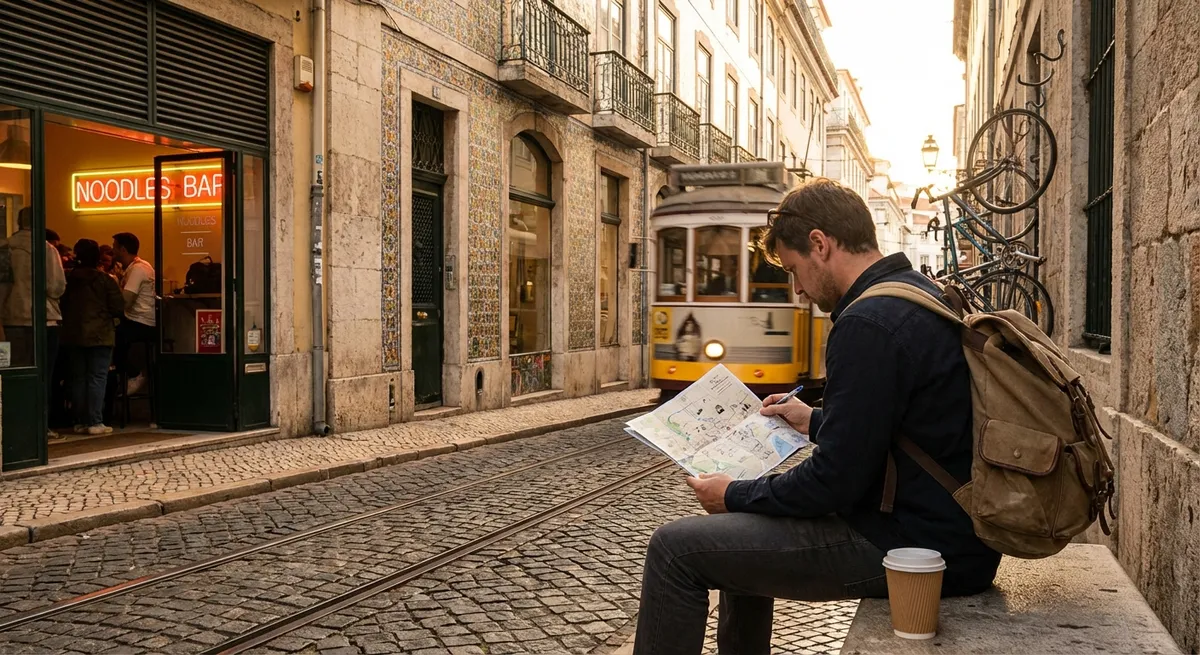
Not every great trip needs a week-long itinerary or a far-flung destination. Some of the most memorable travel moments happen in compact, walkable cities where you can soak up culture, food, and local life in just a couple of days. Think of these places as “micro-adventures”: destinations that are easy to navigate, rich in personality, and perfect for a long weekend or a quick stop on a longer journey.
This guide shows you how to squeeze the most out of a short stay in any city—whether it’s Lisbon, Kyoto, Mexico City, or a small European capital you’ve barely heard of—while still leaving room for spontaneity.
What Makes a Great Micro-City Destination?
Micro-city destinations aren’t always small in size; they feel approachable. You can land, drop your bag, and quickly get oriented without a rental car or a rigid schedule. They’re the places where walking a few blocks can take you from a historic square to a modern cafe scene to a riverfront or neighborhood park.
Look for cities with strong public transit, a compact historic center, and at least one distinct neighborhood you can explore on foot. Bonus points if there’s a local market, a cluster of independent cafes, and a standout viewpoint (rooftop bar, hilltop, or waterfront) where you can get your bearings and watch daily life unfold. These ingredients give you that beloved “I could live here” feeling, even if you’re only in town for 48 hours.
Some examples travelers love for this kind of trip include Porto, Porto’s Ribeira district and riverfront; Ljubljana, with its car-free center and leafy riverbank; and Oaxaca, where every corner seems to hide a courtyard, market, or street-food stand. The specifics change, but the strategy for enjoying them is the same.
Anchor Your Stay Around a Walkable “Home Zone”
The fastest way to make a short city trip feel immersive is to choose one neighborhood as your “home zone” and really get to know it. Instead of trying to see the entire city, you orbit around a smaller area where you sleep, eat, and start or end your day.
Pick a neighborhood with:
- Easy access to public transit or major sights
- A mix of cafes, bakeries, and casual restaurants
- A grocery store or corner shop for quick essentials
- A park, square, or waterfront for people-watching
Once you arrive, walk a loose loop around your home zone: identify your nearest transit stop, a backup coffee spot, somewhere for a simple dinner, and a late-night pharmacy just in case. This simple orientation walk not only cuts decision fatigue later, it also makes the city feel instantly more familiar. And if you’re combining multiple destinations, having this kind of “home base” in each city helps each stop feel like its own little chapter rather than a blur of landmarks.
Practical Tip #1: Book for location, not luxury.
When time is short, staying in the right neighborhood matters more than having the biggest room. Use map view on your favorite booking site to focus on walkable areas near a transit hub or central square, then skim a few recent reviews specifically mentioning “walkable,” “safe at night,” and “quiet.”
Use the “Morning Deep Dive, Afternoon Wandering” Strategy
Trying to do everything in one visit often leads to rushed museum visits, stressful transit, and no real sense of place. A better approach for micro-city trips: give your mornings structure and your afternoons freedom.
Mornings are perfect for your “deep dive” activities—anything that benefits from fresher energy and smaller crowds, like a major museum, a guided walking tour, a historic site, or a cooking class. Start early, pre-book tickets when needed, and budget a realistic window so you’re not racing the clock.
Afternoons are your open canvas. This is the time to:
- Follow side streets that looked interesting earlier
- Duck into bookstores, galleries, and courtyards
- Linger in a cafe without worrying about a timed ticket
- Explore local markets or neighborhoods at a slower pace
Ending your day with an unplanned sunset spot or a last-minute dinner recommendation often creates the memories you talk about later—because they weren’t on a checklist.
Practical Tip #2: Build one fixed plan and one flexible block per day.
For each day, decide on a single anchor activity (museum, tour, excursion) and protect a 3–4 hour stretch where nothing is scheduled. If you find something amazing during your morning deep dive, you’re free to pivot without cancelling a chain of other reservations.
Let Food Be Your Shortcut to Local Culture
Food is one of the fastest, most enjoyable ways to plug into a destination’s daily rhythm. Even in a short visit, you can get an authentic taste of local life without chasing the most “famous” spots or waiting in endless lines.
Instead of focusing on must-eat lists, pay attention to patterns:
- What do locals grab for breakfast on the go?
- Are cafes full of laptops, long conversations, or quick espresso stops?
- Do people gather around food trucks, market stalls, or family-run diners?
Visiting a fresh market or grocery store reveals just as much about a place as a big-name restaurant. You’ll see what fresh produce is in season, which snacks line the shelves, and how people actually shop. It’s also a great spot to assemble a budget-friendly picnic.
Practical Tip #3: Keep a “three-meal plan” for short stays.
For every 2–3 night visit, loosely pre-plan three standout food experiences: one local breakfast, one casual lunch (like a market or street food), and one relaxed dinner. Leave everything else unplanned so you can follow your nose—or local tips—without overbooking.
Turn Transit into a Built-In City Tour
Public transportation is more than a way to get from A to B; it’s a window into how a city moves and functions. On micro-city trips, using transit intentionally can double as sightseeing and cultural immersion.
Look for:
- Tram or metro lines that cross rivers, hills, or historic districts
- Bus routes that run end-to-end through interesting neighborhoods
- Ferry services that show you the city skyline from the water
Even a single ride across town offers a feel for demographics, pace of life, rush hours, and local etiquette—information you can’t get from a taxi or rideshare. It’s also usually cheaper and often faster than navigating traffic.
Before you go, check if the city offers a day pass or contactless card that works on multiple modes (bus, tram, metro, ferry). These passes make it painless to hop on and off without worrying about exact fares or tickets in another language.
Practical Tip #4: Use one point-to-point ride to “survey” the city.
Choose a tram, train, or bus line that roughly crosses the city. Ride it from your home zone to the farthest stop that still sounds interesting, then wander your way back on foot or with shorter hops. You’ll quickly map the city in your head and often stumble on areas that don’t appear in guidebooks.
Capture the City with a “Three Moments” Habit
When trips are short, the days can blur together once you’re home. Instead of trying to document everything, focus on capturing just three memorable moments each day: one in the morning, one in the afternoon, and one in the evening.
These might be:
- A photo of your first coffee or breakfast view
- A quick 20-second video of a street musician or bustling market
- A snapshot from a lookout point or riverside bench at sunset
Layer in a sentence or two in your notes app or journal: what you smelled, heard, or felt in that exact moment. These small, intentional captures are perfect for social sharing later—and for your own memory—without pulling you out of the experience.
Practical Tip #5: Set a daily two-minute reflection timer.
Each night, set a two-minute timer and jot down three highlights: one place, one person, and one unexpected detail (like a mural, overheard conversation, or local habit). This lightweight ritual solidifies your memories and gives you ready-made stories for friends, photos, and posts.
Conclusion
Micro-city adventures prove that you don’t need endless vacation days or ultra-detailed plans to have a meaningful trip. By anchoring yourself in one walkable home zone, giving your mornings purpose and your afternoons freedom, letting food and transit guide your discoveries, and capturing just a few key moments each day, you can turn any short stay into a signature travel chapter.
Whether you’re sneaking away for a weekend or tacking two days onto a work trip, this approach helps you feel present instead of rushed—and lets each destination show you its personality on its own terms.
Sources
- UN World Tourism Organization – City Tourism and Culture - Insight into how urban destinations shape visitor experiences and trends in city travel
- OECD Tourism Trends and Policies - Data and analysis on tourism patterns, including urban and short-stay travel behaviors
- European Commission – Sustainable Urban Mobility - Background on public transport and walkability in European cities, useful for planning transit-based exploration
- U.S. Department of State – Country and City Information - Official safety, transportation, and local conditions information for destinations worldwide
- Lonely Planet – City Travel Guides - Practical neighborhood and transit details for many global cities, useful when choosing your “home zone” and core experiences
Key Takeaway
The most important thing to remember from this article is that this information can change how you think about Destinations.