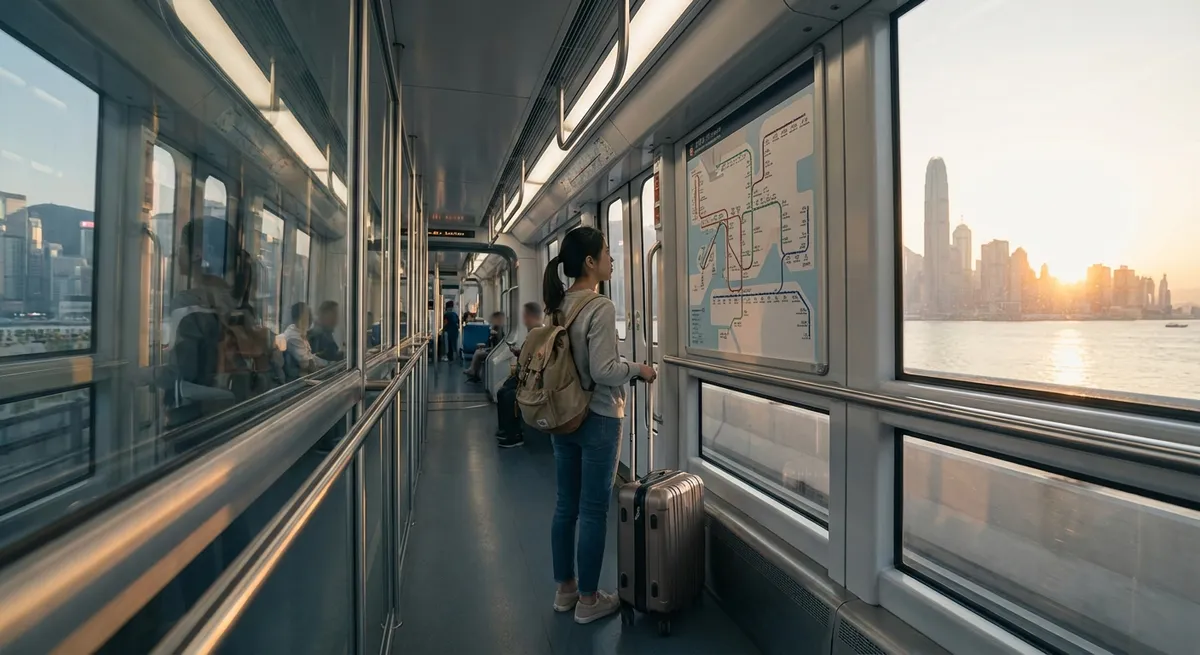
Not every trip comes with weeks of vacation time and a perfectly crafted itinerary—and that’s exactly where city micro-adventures shine. Whether you’ve got a long layover, a free afternoon on a work trip, or a weekend escape, you can transform a few hours in a major city into a trip that actually feels like travel, not just transit.
This guide walks you through how to unlock the best of any big city in a short window, with five practical tips you can reuse from Tokyo to Toronto.
Rethink “Just Passing Through”: Why Micro-Adventures Work
Full-length vacations are amazing, but they’re not the only way to experience a destination. Micro-adventures—short, focused bursts of exploration—fit into the empty spaces of your calendar: a 6-hour layover, a conference lunch break, an evening after check-in.
Psychologically, these tiny trips reset your brain. Stepping into a new neighborhood, tasting a local snack, or riding a tram with commuters gives you a hit of novelty and connection without requiring weeks of planning. Instead of arriving home saying, “I only saw the airport,” you come back with a story: the street musician you stumbled upon, the sunset from a rooftop bar, the tiny café that served the best pastry of your life.
The key isn’t how long you stay—it’s how intentionally you use the time you have.
Map a “Tiny Triangle” Instead of a Huge Hit List
When time is short, the fastest way to ruin a mini adventure is by overcommitting. Instead of listing every “must-see” attraction, design a Tiny Triangle: three anchor points within a walkable or easily connected area.
Think of it like this:
- Point A: Taste – a local café, street food hub, market, or bakery
- Point B: View – a lookout, waterfront, historic square, or rooftop
- Point C: Vibe – a neighborhood, park, or street known for culture or people-watching
Pick a district where all three are close together—say, the Gothic Quarter in Barcelona, the Shibuya area in Tokyo, or the Mission District in San Francisco. Use Google Maps or Apple Maps to:
- Turn on “Explore Nearby” and filter for cafés, viewpoints, or landmarks.
- Check walking times between the three spots; aim for under 20 minutes between each.
- Save them as a custom “List” so you can navigate offline if needed.
This “Triangle” approach keeps your route compact, reduces stress about transit and timing, and still gives you a delicious, visual, and cultural snapshot of the city.
Practical tip #1: Screenshot your Tiny Triangle.
Take screenshots of your selected spots and walking routes before you lose Wi‑Fi. Include the names in text (not just map images), so if your maps glitch, you can still ask a local or a taxi driver for directions.
Sync Your Adventure with the City’s Daily Rhythm
Every city has a rhythm—and matching your micro-adventure to that rhythm turns a rushed visit into something that feels surprisingly local.
Here’s how to align your timing:
- Early morning: Great for markets, sunrise viewpoints, and iconic landmarks before crowds arrive. Think: the Louvre’s courtyard before opening, a sunrise walk along Singapore’s Marina Bay, or an early visit to Sydney’s Bondi Beach.
- Midday: Ideal for indoor experiences when the sun is at its peak—museums, galleries, food halls, and covered bazaars.
- Late afternoon to sunset: Perfect for parks, riversides, and viewpoints. This is when locals start to unwind—join them.
- Evening: Neighborhoods with restaurants, small bars, or street food shine after dark. If you’re jet-lagged, a low-key evening wander can gently reset your body clock.
Before you go out, quickly check:
- Opening hours on the official website of any museum, landmark, or market.
- Local public holiday calendars to avoid unexpected closures.
- Sunset time, so you can schedule that rooftop or riverfront moment.
Practical tip #2: Plan one “time-sensitive” anchor.
Choose just one thing that depends heavily on timing—sunset at a viewpoint, a particular market’s opening hours—and build the rest of your micro-adventure flexibly around it.
Use Transit Like a Local Sightseeing Tour
Instead of seeing public transit as a chore, treat it as part of the experience. Trams, metros, and ferries reveal how the city actually moves.
Here’s how to make transit work in your favor:
- Pick one scenic line. Many cities have a tram, bus, or metro line that doubles as a cheap sightseeing route—like Istanbul’s tram across the Golden Horn or San Francisco’s iconic streetcars.
- Buy a short-pass or contactless fare. In cities with tap-on cards or mobile tickets (London, Singapore, Hong Kong), you can avoid queues and hop on/off more freely.
- Travel in the “off-peak” windows. If your layover aligns, avoid rush hour to reduce stress and give yourself more breathing room.
Before leaving the airport or station, take 5 minutes to:
- Download the city’s official transit app (or verify routes via Google Maps’ transit option).
- Save your outbound and return routes, including the exact stop to get back to the airport or hotel.
- Note the time of the last train/bus back if you’re heading out late.
Practical tip #3: Set a firm “turnaround time.”
Decide a non-negotiable time when you’ll start heading back, not when you need to arrive. For example, if you must be at the airport by 7:00 pm, set your turnaround at 5:30 pm to account for delays, ticket queues, or wrong turns.
Let One Local Specialty Shape the Experience
In a new city with limited time, choosing one theme helps you focus and saves you from decision fatigue. Use a single local specialty as your anchor:
- Food: A dish the city is known for—pho in Hanoi, tacos in Mexico City, currywurst in Berlin, chowder in Boston.
- Craft: Something uniquely made there—ceramics in Lisbon, textiles in Oaxaca, glass in Venice, tea in Kyoto.
- Sound: Live jazz in New Orleans, fado in Lisbon, flamenco in Seville, indie bands in London.
Research only enough to pick a direction:
- Search: “best neighborhood for street food in [city]” or “traditional [city] crafts market.”
- Check recent reviews to confirm places are still open and well-regarded.
- Pick 1–2 spots and stay open to detours along the way.
Once on the ground, ask a barista, shop owner, or server a simple question:
“Where would you go for [dish/music/craft] if you had one free hour?”
Locals often skip the most touristy options and lead you toward pockets of the city you’d never find otherwise.
Practical tip #4: Keep purchases small and easy to pack.
Tiny edible souvenirs (spices, tea, sweets) or pocket-sized crafts travel well, don’t weigh you down during your micro-adventure, and become instant memory triggers when you’re back home.
Build a “Go Bag” for Urban Micro-Adventures
To move quickly and comfortably in any city, keep a simple mini-kit ready. This is not full-on packing; it’s a slim setup that helps you say “yes” to spontaneous exploring.
Your city micro-adventure “go bag” might include:
- Lightweight daypack or sling – just big enough for essentials, not bulky.
- Portable phone charger – for maps, tickets, and translation apps.
- Offline access – downloaded map of the city area + a translation app with the local language downloaded.
- Layer and comfort items – compact rain jacket or scarf, plus comfortable walking shoes you can slip on quickly.
- Tiny essentials – travel-size hand sanitizer, tissues, and a reusable water bottle (many cities have public fountains or refill points).
Keep this kit partially pre-packed in your larger luggage. When an unplanned free window appears—early hotel check-in, delayed meeting, flight changed—you can be out the door in minutes instead of debating what to bring.
Practical tip #5: Save a “Micro-Adventure Notes” doc on your phone.
Create a simple note with: your Tiny Triangle, transit info, turnaround time, a few local phrases, and your hotel/airport address in the local language. When you’re tired or jet-lagged, you’ll be grateful you made decisions in advance.
Conclusion
You don’t need a full week, a car, or a dozen reservations to experience a destination in a meaningful way. With a Tiny Triangle, a sense of timing, smart use of transit, one local specialty, and a ready-to-go micro-adventure kit, any big city can turn a short window of time into something memorable.
The next time you spot a long layover or a free afternoon on your itinerary, don’t write it off as “dead time.” Treat it as a mini trip waiting to happen—and let those in-between hours become some of the most vivid travel memories you bring home.
Sources
- U.S. Department of State – Traveler’s Checklist - Official guidance on key preparations and safety considerations before heading into a new city or country
- Transport for London – Visitor and Tourist Information - Example of how major cities present transit options, passes, and tips for visitors
- Lonely Planet – City Travel Guides - Up-to-date neighborhood insights, top sights, and local tips for cities around the world
- National Geographic – The Science of Why Travel Makes You Happier - Explores how even short travel experiences boost well-being and satisfaction
- UNESCO World Heritage List - Useful for identifying culturally and historically significant sites near major cities that you can incorporate into short urban adventures
Key Takeaway
The most important thing to remember from this article is that this information can change how you think about Destinations.