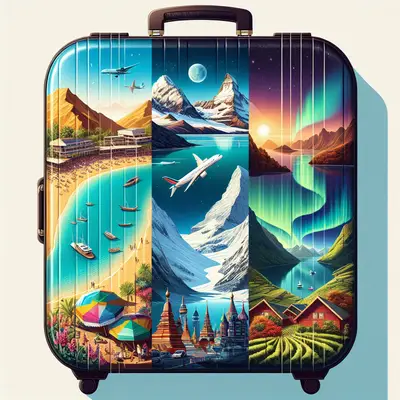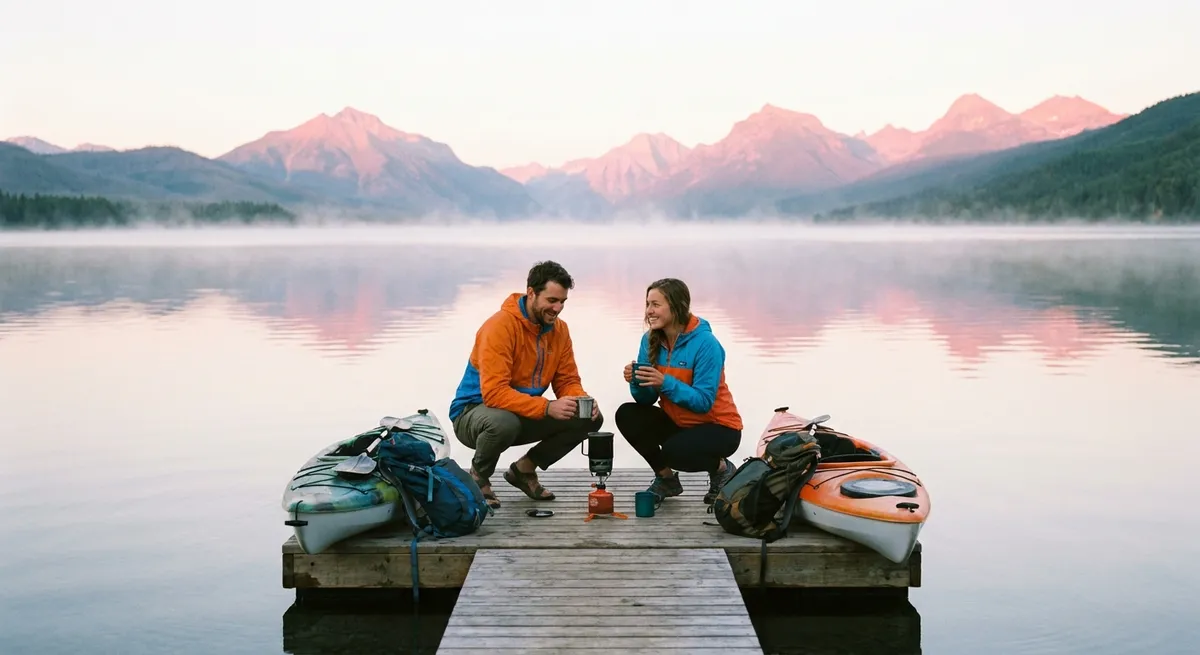
Not every unforgettable trip needs a month off and a bucket-list budget. Some of the most rewarding travel experiences come from quick, focused getaways: two days in a small coastal town, a long weekend in a nearby city, a single night in a mountain village. These “micro-adventures” let you explore new destinations without totally upending your life—or your wallet.
This guide will help you choose the right spots, shape a trip that actually feels like a vacation (not a rushed checklist), and walk away with stories you’ll be talking about for years.
Rethink “Destination”: Aim for a Theme, Not Just a Place
Instead of starting with a famous city and then trying to force a trip around it, flip the script: begin with a theme or feeling you want and let that guide your choice of destination.
Maybe you’re craving:
- A food-focused escape with walkable restaurants and local markets
- A nature reset with hikes, lakes, or coastal views
- A creative recharge in a city with galleries, street art, and live music
- A wellness-oriented getaway with hot springs, saunas, or spa culture
- Fewer crowds but a strong local identity
- Lower prices on lodging and food
- A better chance to interact with residents instead of just other tourists
Once you know your “why,” look for lesser-known destinations that fit the vibe. Often, smaller cities or regional towns near major hubs give you:
Search phrases like “underrated towns near [major city]” or “[region] weekend getaways” and cross-check options on maps to avoid spending most of your short trip in transit.
Practical Tip #1: Choose a destination within 4 hours’ travel time (door to door, not just flight time). That usually means:
- Direct flights only, or
- Trains/buses that go center-to-center, or
- A straightforward drive with minimal traffic risk
This four-hour rule dramatically increases the time you actually spend in the destination instead of in transit.
Design a “One Great Day” Instead of a Long To-Do List
For short trips, the enemy of a good time is the overstuffed itinerary. Micro-adventures work best when you design around one truly great day and let everything else be bonus time.
Build your “One Great Day” like this:
- Morning anchor: One main activity that’s your priority (a hike, museum, food tour, neighborhood walk).
- Midday reset: A relaxed meal or picnic where you don’t rush—this is where you actually feel like you’re away.
- Afternoon wander: A flexible window to explore a district, waterfront, or park with no fixed agenda.
- Evening highlight: A single planned reservation, sunset spot, or live event.
This structure gives your day shape and intention without boxing you into every minute. If something goes sideways—a storm rolls in, a train is delayed—you still have a core experience you can adapt around.
Practical Tip #2: Plan just 1–2 “non-negotiables” per day.
Mark them clearly (time + location + how to get there) and let everything else be optional. This keeps stress low and leaves space for serendipity: the random café, the side street, the local recommendation you didn’t see on any blog.
Stay Where the Action Is (Even If the Room Is Smaller)
On a short trip, your lodging is more than a place to sleep—it’s your launchpad. Where you stay can either supercharge or quietly sabotage your experience.
When time is limited, location is usually more valuable than extra amenities. Being able to:
- Walk to a lively street or main square
- Reach a transit hub in under 10 minutes
- Grab coffee, snacks, and basics nearby
…will save you hours and keep your energy high.
Prioritize areas that:
- Have multiple food options (not just one restaurant within walking distance)
- Are safe and active in the evening, so you feel comfortable exploring after dark
- Connect easily to your main “anchor” activity for the trip
Look at maps in “satellite” and “street view” modes to get a feel for the neighborhood. Cross-check user photos and reviews to see what it’s actually like at night or early morning.
Practical Tip #3: Trade space and luxury for walkability.
On a 1–3 night trip, a smaller room in a central area usually beats a large, isolated property. The time and energy you save commuting will pay off in extra meals, extra sights, and fewer logistics headaches.
Eat Like a Local (Without Losing Hours to Research)
Food is often the fastest, most joyful way to connect with a destination—especially when you don’t have long. Instead of trying to hit all the “must-eat” spots, build a simple, smart food strategy that guides your choices without burning your precious time hunting for that one legendary restaurant.
Here’s a streamlined approach:
- Pick one “destination” meal: A place you’re genuinely excited about—book it or mark it as a priority.
- Make breakfast and snacks effortless: Identify a nearby bakery, café, or local chain you can fall back on daily.
- Use food markets or food halls: These give you multiple local options in one stop and are ideal on arrival days when you’re tired.
- Follow local peak times: In many places, lunch is the better-value meal for “splurge” restaurants offering lunch menus or set meals.
- Google Maps and user photos around the neighborhood where you’re staying
- Menus for language and pricing—if it’s only in English and heavily themed for tourists, that’s a clue
- Local blogs or city magazines, which often highlight current favorites instead of just famous spots
For local-style eating, check:
Practical Tip #4: Time your “big” meal for the middle of the day.
You’re less likely to be exhausted, service is often smoother, and you get energy for afternoon exploring. In many destinations, lunch deals or fixed menus are significantly cheaper than dinner for similar quality.
Capture Memories Without Living Through Your Phone
Short trips can blur together quickly, especially when you pack a lot into 48–72 hours. A few simple habits help you remember your destination as you experienced it—not just as a stream of photos.
Try this low-effort memory system:
- One intentional photo set per day: A handful of shots that actually tell a story—your breakfast table, a street corner, a view from a bridge—rather than snapping everything you see.
- A 3-line daily recap: Before bed or on the ride home, jot down:
- One thing you tasted
- One person you noticed or met
- One moment that surprised you
- Save key pins: Star or save 3–5 locations in your map app that meant something to you. In a year, you’ll be able to revisit your trip emotionally by just opening the map.
This keeps you present in the destination, but still gives you plenty to share with friends or on social media later—with context that makes your posts more interesting than “here’s another pretty building.”
Practical Tip #5: Do a 10-minute “memory dump” during your return trip.
On the plane, train, or bus home, write or voice-record a quick list of favorite details: smells, sounds, flavors, overheard conversations, place names. Future-you will thank you when you’re planning your next micro-adventure and want to remember what worked (and what didn’t).
Conclusion
Micro-adventures are proof that meaningful travel doesn’t have to be long, expensive, or complicated. By choosing destinations within easy reach, designing one standout day, staying where the action is, eating intentionally, and capturing memories with purpose, you can turn even a single weekend into a trip that feels rich and complete.
The next time you catch yourself thinking, “I don’t have time to travel,” look closer at your calendar. A short window might be all you need to discover a new favorite place—and remind yourself how good it feels to step into a different corner of the world, even briefly.
Sources
- U.S. Travel Association – Research & Insights - Data on travel trends, trip lengths, and traveler behavior in the U.S.
- OECD Tourism Trends and Policies - Provides insights on how people are traveling, including short breaks and regional tourism patterns
- National Geographic Travel - Destination stories and examples of lesser-known places and shorter trips around the world
- Lonely Planet – Travel Tips & Articles - Practical advice on choosing destinations, planning itineraries, and discovering local experiences
- Visit Europe – Official Travel Portal of the European Union - Useful for exploring regional destinations, rail-connected cities, and ideas for short European getaways
Key Takeaway
The most important thing to remember from this article is that following these steps can lead to great results.