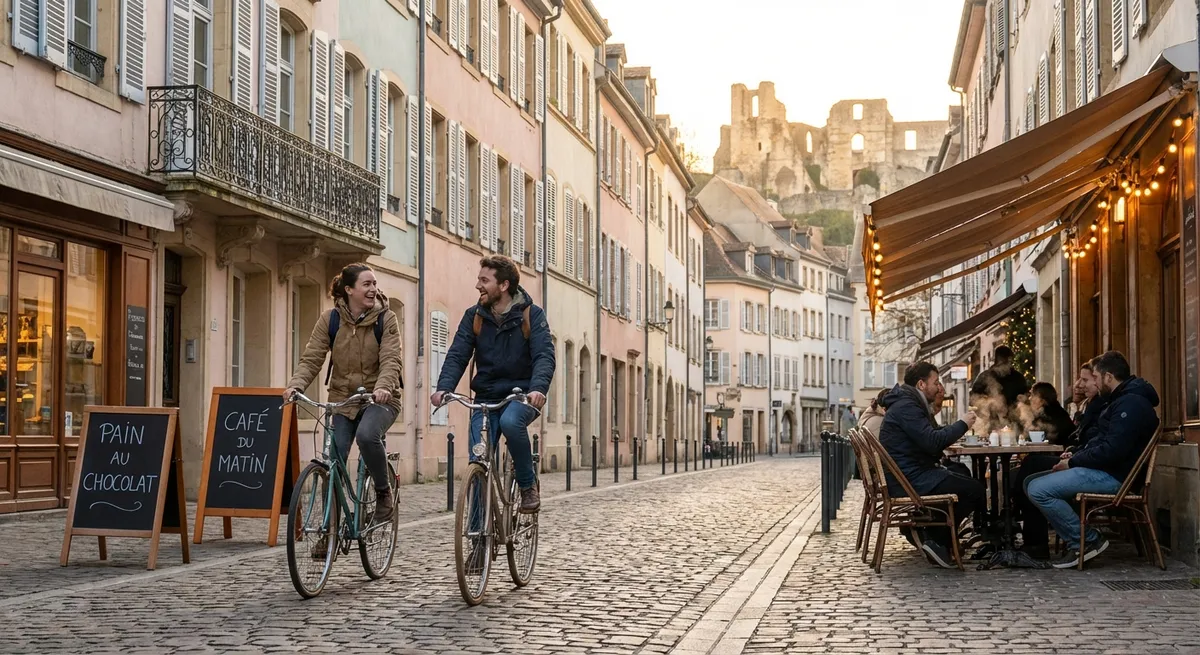
Not every epic trip needs two weeks off and a suitcase the size of a small car. Around the world, there are cities perfectly built for “micro-adventures” – compact, walkable, full of personality, and absolutely doable in a long weekend. These are the places where you can land on a Friday, leave on a Monday, and still feel like you’ve had a full-on escape.
This guide highlights how to choose and enjoy micro-adventure destinations, with five practical tips you can use for nearly any city—whether it’s a nearby capital, a coastal gem, or a surprising mid-sized hub you’ve never considered.
What Makes a Great Micro-Adventure Destination?
The best micro-adventure cities share a few key traits: they’re easy to reach, simple to navigate, and packed with experiences close together. You’re not trying to “do it all”—you’re aiming for a concentrated hit of local culture, food, and atmosphere in just a few days.
Look for destinations with direct flights or quick train connections from where you live. Fewer transfers means less time in transit and more time exploring. Once there, prioritize cities with walkable centers or reliable public transport so you’re not burning hours on long commutes between attractions.
Micro-adventure cities also tend to have strong “neighborhood personalities”: one area that’s perfect for food, another for nightlife, another for history or waterfront strolling. That way, you can build a trip around a few core areas instead of scattering your time all over the map.
Tip 1: Use “3-Block Planning” to Explore Smarter
Instead of building a long checklist of must-see spots spread all across the city, use what I’ll call “3-block planning.” Pick one neighborhood per morning and one per afternoon or evening. Within each neighborhood, cluster your activities within a roughly three-block radius.
For example, in a historic district you might combine a morning coffee at a local café, a visit to a museum or landmark, a walk through a market, and a quick lunch—all without needing a ride. In the evening, move to a different area for dinner, a viewpoint, or live music, again keeping everything walkable.
This approach saves you from spending your limited time on transport, makes cities feel more human-sized, and leaves room for spontaneity—like ducking into that bookshop you just spotted or joining locals at a street food stand that smells too good to ignore.
Tip 2: Anchor Your Trip Around One Local Ritual
In a short trip, you don’t need to do everything; you just need one thing that connects you deeply to the place. Choose a local ritual or rhythm that you’ll build part of your trip around.
In some cities, that might be a morning café culture—lingering over espresso and pastries while people-watchers fill the sidewalks. In others, it could be a nightly promenade along a river or seafront, a weekend market, a thermal bath tradition, an evening tapas crawl, or even a weekly outdoor concert or food truck gathering.
Research what locals actually do at different times of day. Then commit to experiencing that ritual once or twice. It will give your trip a story: not just “I saw the sights,” but “I joined the city when it was most itself.”
Tip 3: Sleep Where the Action Is (But On a Quieter Street)
When you only have a long weekend, staying in the right area can transform your experience. You want to be steps from the energy—cafés, public squares, street food, public transport—without dealing with noise that keeps you up all night.
Look for accommodation that’s:
- Within a 10–15 minute walk of the main square, waterfront, or central hub.
- On a side street or just off a busy avenue, not directly on it.
- Near a transit stop if the city is spread out (tram, metro, or bus).
Check recent reviews specifically for mentions of noise and safety at night. Being able to pop out for an early walk, a late dessert, or a last-minute sunset viewpoint—without a long ride—makes your short trip feel much bigger and more immersive.
Tip 4: Pick One Theme Per Day Instead of a “Bucket List”
The fastest way to feel rushed and disappointed on a short city trip is to chase a bucket list of 12 attractions in two days. A better strategy is to give each day a simple theme and let your plans flow from that.
Some example themes:
- “Old town and riverfront day” – Explore historic streets, visit one key museum or church, then head to the water for sunset.
- “Food and markets day” – Start at a local market, take a food tour or cooking class, then try a recommended neighborhood restaurant.
- “Views and green spaces day” – Hunt down the city’s best viewpoints, parks, or urban hikes, and end with a rooftop bar or hilltop lookout.
This kind of intentional focus keeps decision fatigue low, helps you enjoy the present moment more, and ensures you leave feeling like you really “got” a side of the city rather than just skimming past everything.
Tip 5: Pre-Book Just One “Big Thing” and Leave the Rest Open
Micro-adventures work best when there’s a balance between structure and freedom. Pre-booking too much can make your weekend feel like a race; booking nothing may leave you stuck in long lines or missing out on special activities.
The sweet spot: pick one key experience that matters most to you and lock it in advance. That might be:
- A ticketed landmark or museum with timed entry.
- A guided walking or food tour.
- A boat, bike, or scooter excursion.
- A performance, concert, or sports event.
Then deliberately leave the rest of your schedule flexible. That way, your “big thing” is guaranteed, but you still have plenty of space to follow local recommendations, react to the weather, or return to a place you loved the day before.
How to Spot Your Next Micro-Adventure City
You don’t always need to fly halfway across the world. Many of the best micro-adventure cities are closer than you think: mid-sized regional hubs, secondary capitals, or port towns that are overshadowed by their more famous neighbors.
When researching, look for:
- A dense historic or cultural center.
- A strong food scene or signature local dishes.
- A waterfront, hill, or central park for easy outdoor time.
- A local airport or fast train station.
- Enough to fill 2–3 days, without feeling like you’re skipping “everything.”
Search for phrases like “most walkable cities in [region],” “underrated weekend city breaks,” or “best small cities to visit near [major hub].” Read how travelers describe the vibe—not just the attractions. You’re looking for personality and ease more than a laundry list of sights.
Conclusion
Micro-adventure cities are your secret weapon for traveling more often, without waiting for the perfect long vacation. With smart planning—focusing your exploring into compact areas, anchoring your days around local rituals, and choosing one big experience per trip—you can turn a simple long weekend into a story you’ll keep telling.
The next time you catch yourself thinking, “I don’t have enough time for a real trip,” zoom in. Look for a city that’s a direct train ride or short flight away, pack light, and give yourself permission to just do a few things deeply instead of everything briefly. Those small, intense slices of travel can add up to a big, adventurous life.
Sources
- U.S. Department of State – Travel Advisories - Official guidance to check safety and entry information for potential destinations
- OECD – Tourism Trends and Policies - Data and insights on urban tourism, city travel patterns, and short-stay trends
- World Tourism Organization (UNWTO) - Global tourism data that highlights growth in city breaks and short trips
- National Geographic – Europe’s Most Walkable Cities - Examples of compact, pedestrian-friendly destinations ideal for micro-adventures
- European Commission – Sustainable Urban Mobility - Background on walkability and public transport in cities, useful for choosing easy-to-navigate destinations
Key Takeaway
The most important thing to remember from this article is that this information can change how you think about Destinations.