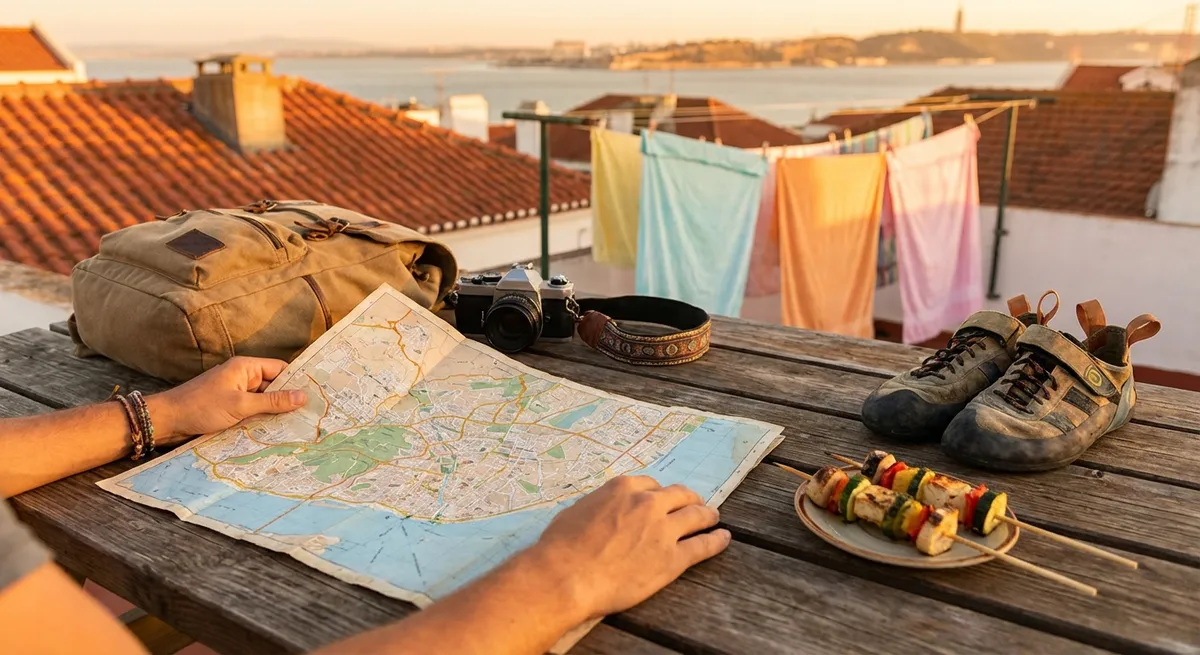
Not every great trip needs a two‑week itinerary and a long-haul flight. Some cities are perfect “micro‑adventure bases” — places where you can land on a Friday night and feel like you’ve squeezed a full vacation into a long weekend. Think compact neighborhoods, easy transit, fast access to nature, and food scenes worth planning your day around. This guide helps you spot those destinations and actually use them well, so even a 72‑hour escape feels big, memorable, and totally worth the trip.
What Makes a Great Micro‑Adventure City?
A strong micro‑adventure city isn’t just popular — it’s efficient for fun. You want places where transit from airport to city center is under an hour, major attractions are clustered or well-connected, and there’s a clear “feel” you can tap into quickly (historic core, waterfront, creative district, etc.).
Cities like Lisbon, Vancouver, Copenhagen, Singapore, and Mexico City often rank high in livability and visitor satisfaction because they combine walkability, clear signage, and strong public transport with rich cultural and food experiences. They also tend to have easy access to nature — beaches, hiking trails, viewpoints, or parks — letting you balance city buzz with open-air downtime. When you’re choosing your next quick-trip destination, look for places where “how to get around” is obvious and most of what you want is 20–30 minutes away, not across town in heavy traffic.
Tip 1: Pick Cities With Built‑In “Layers” of Experience
In a short trip, you don’t want to spend energy chasing scattered sights. Instead, look for cities with layered experiences in a small radius: street food plus markets plus museums plus nightlife plus scenic viewpoints, all within a few neighborhoods.
For example, neighborhoods like Barcelona’s El Born, Tokyo’s Shibuya/Shinjuku combo, or Chicago’s Loop and River North offer art, architecture, food, and nightlife in compact zones. You can wander without a rigid checklist and still feel like you’re “doing it right.” When you research, zoom in on two or three districts, not the entire city map. Read what locals recommend in those specific areas, and choose a base that lets you walk out the door into instant atmosphere. This approach keeps your days full but not frantic and makes your destination feel coherent instead of chaotic.
Tip 2: Prioritize Transit That Works in Your Favor
In a micro‑adventure city, transit is part of the destination’s magic, not just a chore. Reliable, frequent public transport or easy ride‑hailing means you can say yes to more experiences without worrying about getting stranded or stuck in traffic for hours.
Before you book, check how long it takes to go from airport or station to the main hubs — many city and tourism websites publish these details clearly. See if there’s a direct train, shuttle, or metro line into the center, and whether you can tap in with contactless cards or phone payments. Pick cities where you can hop on a tram, metro, or bus every few minutes, not once an hour. When you arrive, buy a short‑term travel pass if it saves money and decision‑fatigue. Treat transit lines like “experience corridors” — if a tram follows a waterfront or metro stops hit multiple cool districts, you can build your day around that route instead of crisscrossing randomly.
Tip 3: Choose Lodging That Doubles as a Launchpad
On a short trip, where you stay can make or break your entire experience. A centrally located hotel or guesthouse doesn’t just save time; it subtly upgrades everything. You can drop off shopping, change clothes before dinner, or squeeze in a midday rest without losing momentum.
When you evaluate options, prioritize walking distance to a transit hub plus at least three of these: great coffee, late‑night food, a park or promenade, and a landmark or viewpoint. Scan maps at “street view” level to see if the area feels lively at different times of day. In a micro‑adventure city, your lodging should feel like a basecamp — safe, central, and plugged into the life of the city. That way, even a quick stroll around the block before breakfast feels like part of the trip, not just a commute to “real” attractions.
Tip 4: Build a “One Big Thing, Many Small Joys” Plan
The easiest way to burn out on a short trip is to over‑schedule. Instead, give each day a single “big thing” — a major museum, a day hike, a food tour, a cultural performance — and then surround it with low‑pressure “small joys”: a bakery you want to try, a riverside walk, a rooftop bar, a neighborhood market.
This structure keeps you anchored without feeling trapped in a rigid plan. If your big thing takes more or less time than expected, you can expand or shrink the smaller items. Use maps to pin casual options along your main walking or transit routes instead of across town. That way, when you’re ready for a snack, a view, or a quiet corner, you’re already nearby. You’ll leave feeling satisfied rather than rushed, with clear memories of standout experiences instead of a blur of half‑checked boxes.
Tip 5: Weave in Nature or Water Wherever You Can
One of the fastest ways to make a city trip feel like a true escape is to add even a small dose of nature or water. Many cities now highlight waterfront promenades, urban hikes, and green belts that are easy to access without a car — think harbor walks in Sydney, sea cliffs near Lisbon, river paths in Paris or London, or forested parks around Seoul and Vancouver.
When you research destinations, look for simple outdoorsy add‑ons that don’t require complex logistics: a city viewpoint reachable by funicular or short hike, a bike path along a canal or river, a nearby beach or lake, or a botanical garden you can reach by metro. Aim for at least one outdoor or blue‑space moment each day — sunrise in a park, a sunset by the water, or a post‑dinner stroll along a lit‑up river. These pauses reset your brain between intense city experiences and make short trips feel surprisingly restorative.
Conclusion
Micro‑adventure cities are perfect for modern travelers who want big experiences in small time windows. By choosing destinations with compact, layered neighborhoods, strong transit, smartly located lodging, and easy access to nature, you can turn a long weekend into a trip that feels genuinely rich and memorable. Build your days around one big highlight and a constellation of small joys, and you’ll come home energized instead of exhausted — already scanning the map for your next city that punches way above its size on the adventure scale.
Sources
- UN World Tourism Organization – Urban Tourism Overview - Background on how cities are evolving to support short, experience-focused trips
- OECD – Enhancing Urban Mobility - Insight into why good public transport dramatically improves city travel experiences
- Visit Copenhagen – Sustainable and Green Areas - Example of how a city integrates nature and green spaces into urban travel
- Tourism Vancouver – Nature & Outdoors Near the City - Illustrates how close-to-city outdoor access can power “micro-adventure” style trips
- World Economic Forum – Travel & Tourism Development Index - Data-driven look at which destinations are best equipped for efficient, rewarding travel
Key Takeaway
The most important thing to remember from this article is that this information can change how you think about Destinations.