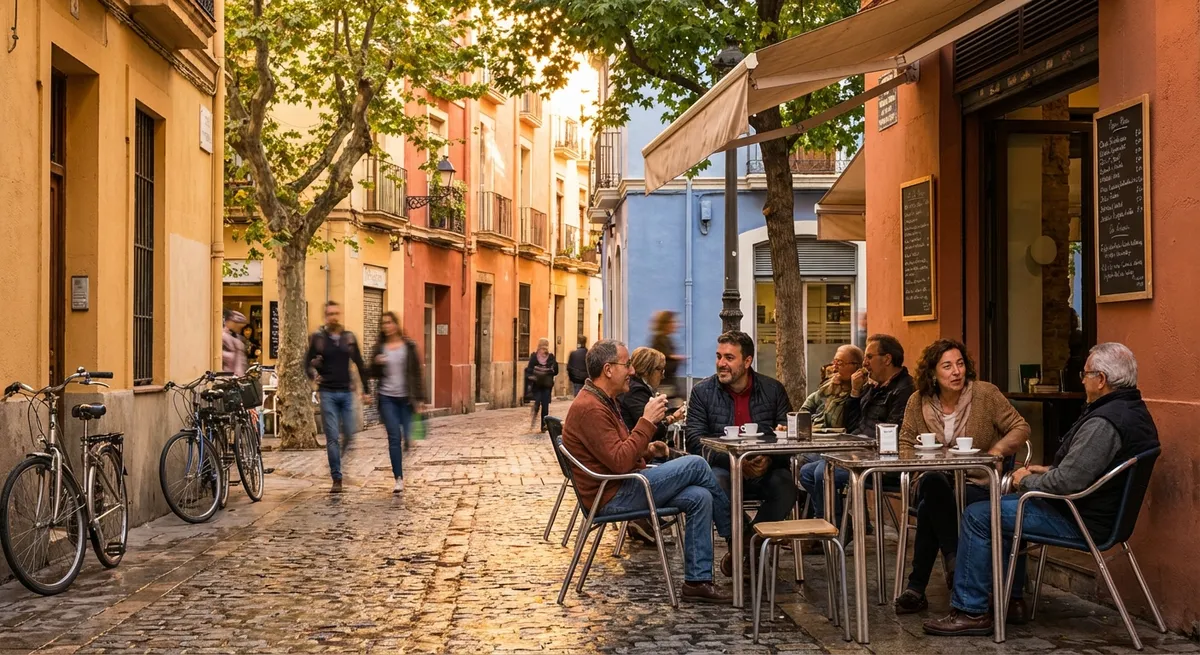
Big-name landmarks are fun—but the real magic of a destination usually lives in its side streets, neighborhood cafés, and everyday rituals. A local-first mindset transforms any city break from a checklist of sights into a trip that actually feels like being there. Whether you’re heading to Lisbon, Tokyo, Chicago, or Cape Town, focusing on how locals live will give you richer memories, better food, and more meaningful photos (plus, usually, a lighter hit to your budget).
This guide walks you through how to choose neighborhoods, plan days, and connect with people so every destination feels less like a “stop” and more like a temporary home—plus five practical tips you can put into action on your very next trip.
Rethink “Must-See”: Build Your Trip Around Neighborhoods, Not Landmarks
Instead of starting with the top 10 sights, start with 2–3 neighborhoods that match your interests: creative districts, historic quarters, waterfront areas, or food hubs. Landmarks can fit into those days, not dominate them.
When you focus on neighborhoods, you naturally stumble into local bakeries, corner parks, and after-work hangouts. In Paris, that might mean using the Marais as your “home base” and letting the small galleries, falafel stands, and vintage shops guide your day. In Mexico City, building around Roma and Condesa can give you tree-lined streets, parks, and a café culture that feels instantly livable.
Look for places where locals actually live and commute, not just where tour buses stop. Scan Google Maps or Apple Maps for a mix of supermarkets, schools, metro stops, and parks—that's a good sign you’ve found an everyday neighborhood. From there, add one or two major sights nearby instead of sprinting between icons all day.
Morning to Midnight: Plan Days Around Local Rhythm
Every destination has its own rhythm: when people commute, when they eat, when streets feel most alive. Aligning with that rhythm will give you a more authentic feel and often shorter lines.
In Mediterranean cities, mornings are mellow, afternoons can be drowsy, and evenings stretch late into the night. That’s when central plazas come alive, kids play in the square, and terrace seats suddenly fill. In East Asian cities, you might find early-morning markets buzzing at sunrise and convenience stores acting as social hubs 24/7.
Plan your museum or big-ticket visits during off-peak hours, then save peak local hours for simply being outside: wandering boulevards, sitting in parks, or people-watching at a café. Pay attention to when restaurants look full of locals, not just tourists; that’s your cue for the best meals and atmospheres.
Local-First Travel in Practice: 5 Practical Tips
Here’s how to turn the local-first idea into specific, repeatable habits you can use in any destination.
1. Pick Your Stay Like a Local, Not a Tourist
When choosing where to stay, scan for:
- Access to public transit (metro stop, tram line, or frequent buses within a 10-minute walk)
- Everyday shops: a grocery store, bakery, pharmacy, and maybe a laundromat
- A mix of housing and small businesses, not just hotels and souvenir shops
Cross-check a couple of neighborhoods on a transit map to see how easily you can hop to major sights. Being 10–15 minutes from the center on a reliable metro line often beats staying on a tourist strip that empties out after dark. This setup lets you explore headliner attractions by day and come “home” to a more authentic slice of city life at night.
2. Make One Stop: The Neighborhood Supermarket
On your first full day, spend 20–30 minutes exploring a local supermarket or fresh market. Treat it as your crash course in the destination:
- Notice local snacks, drinks, and seasonal produce
- Learn common brand names and flavors
- Pick up simple picnic items for parks or day trips
Supermarkets are a tiny cultural encyclopedia—you’ll get a feel for how people eat at home, not just in restaurants. It’s also an easy way to cut food costs without skipping the fun; grabbing local yogurt, fruit, and pastries can make hotel or apartment breakfasts feel more rooted in the place.
3. Use Transit Like You Live There
Before you arrive, download local transit apps or offline maps (many city transport agencies have their own apps, and Google Maps works in most destinations). On day one, buy a day pass or contactless card if available; it removes friction and encourages you to explore beyond the overcrowded center.
Treat one tram or bus route like a “moving tour”: ride it end to end, then hop off where it looks interesting—markets, riverfronts, street murals, or small squares. This gives you a low-cost overview and helps you understand how the city fits together. You’ll start spotting patterns: where people commute from, what rush hour feels like, and which corners feel like hidden gems worth returning to on foot.
4. Anchor Each Day with One “Deep Dive” Experience
Instead of overloading your schedule, pick one deeper experience per day that helps you understand the destination beneath the surface. That might be:
- A cooking class focused on regional dishes
- A neighborhood walking tour led by a local (look for small groups or specialty themes like architecture, street art, or history)
- A visit to a community center, co-op workspace, or cultural venue with local performances
- A workshop—pottery, calligraphy, photography, dance—taught by residents
Surround that deep dive with low-pressure exploring: a park visit, a coffee break, or a stroll along a river or main street. You’ll absorb what you learned far better than if you stacked three tours in one day.
5. Build Micro-Connections: 3 Short Questions to Ask Locals
You don’t need to be ultra-social to connect with locals; a few intentional questions can completely change the shape of your trip. When chatting with a barista, server, shop owner, or tour guide, try asking:
“If you had a free afternoon in this city, where would you go?”
“Where do you like to take friends who are visiting from out of town?”
“Is there a neighborhood you think visitors skip but shouldn’t?”
Most people love sharing their city, and these questions steer the conversation away from the usual tourist traps. Jot down the suggestions in your notes app and, when possible, actually follow one or two—then go back and tell them you checked it out. You’ll often be rewarded with even better follow-up recommendations.
Turning Any Destination into a Temporary Home
A local-first approach doesn’t mean ignoring every famous sight; it means weaving those landmarks into a trip that feels grounded, human, and memorable. By centering neighborhoods, noticing local rhythms, using transit, and making small connections, you turn anonymous cities into places you actually relate to.
The best part: this style of travel scales. You can bring it to a quick weekend in Montreal, a long stay in Berlin, or a first-time trip to Bangkok. Every new destination becomes less about “How many things did I see?” and more about “How deeply did I experience life here?”
Next time you land somewhere new, treat yourself like a short-term local: grab a transit card, find a grocery store, ask someone what they love about their city, and let that be your real itinerary.
Sources
- U.S. Department of State – Travel Advisories - Official safety and entry information to check before choosing and exploring destinations
- OECD – Tourism Trends and Policies - Insight into how tourism affects cities and why local-focused travel matters
- UNESCO World Heritage Centre - Background on cultural and historic sites that can be woven into neighborhood-based itineraries
- Transport for London – Visitor Information - A concrete example of how city transit systems support neighborhood exploration
- European Travel Commission – Market Intelligence - Research on visitor behavior and evolving preferences for more authentic, locally rooted travel experiences
Key Takeaway
The most important thing to remember from this article is that this information can change how you think about Destinations.